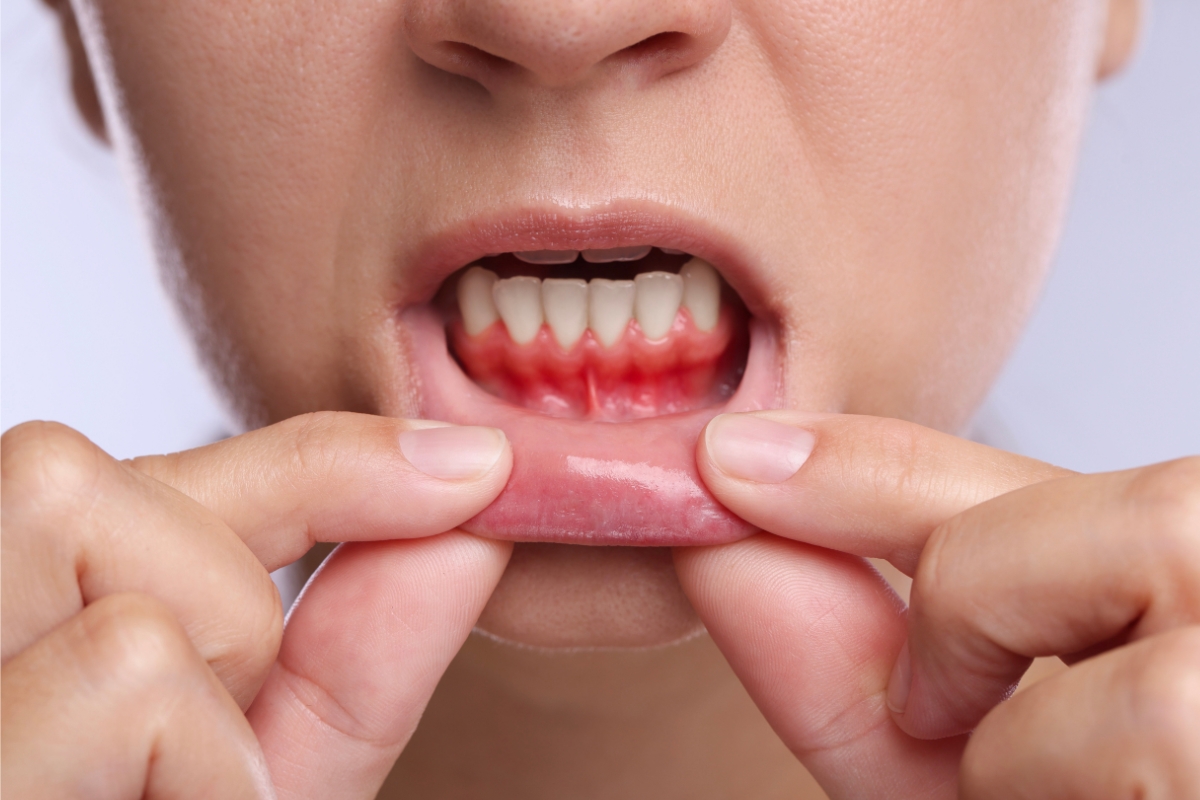
Seeing one of your teeth gradually turn black or dark gray can be concerning. The situation can feel even more confusing when you don’t experience pain, sensitivity, or discomfort. You might assume the discoloration is simply a stain or a minor cosmetic issue. However, changes in tooth color can sometimes indicate problems developing beneath the enamel.
A tooth doesn’t always change color because of something you eat or drink. In some cases, the discoloration develops after an injury, untreated decay, or changes inside the tooth. These problems may progress without causing noticeable symptoms, making it easy to overlook them.
If you’ve noticed an unusual change in your smile, searching for a dentist near me can help you find professional guidance before the underlying problem becomes more serious. A dental examination can identify whether the dark appearance comes from surface staining or damage within the tooth.
What Causes a Tooth to Turn Black Without Pain?
Tooth discoloration can happen for several reasons. Some affect only the outer enamel, while others involve the deeper structures responsible for keeping the tooth healthy. Understanding the possible causes can help you recognize why a painless black tooth still deserves attention.
Stains From Food, Drinks, and Tobacco
Certain everyday habits can gradually change the appearance of your teeth. Coffee, black tea, red wine, dark-colored foods, and tobacco products can leave pigments on the enamel.
These stains may become darker when plaque and tartar accumulate around the teeth. Unlike deeper discoloration, surface stains may improve with professional dental cleaning.
However, a single tooth turning black is not always caused by something you consume. If the color change affects only one tooth, a dental professional should examine it to rule out internal damage.
Tooth Decay That Has Progressed
Untreated cavities can gradually damage the tooth and change its natural color. As bacteria break down the enamel and dentin, affected areas may develop brown, dark gray, or black patches.
You might not experience pain during the early stages. Even deeper decay can sometimes remain painless if it hasn’t irritated the living nerve tissue.
Without treatment, the damage can spread further into the tooth. Depending on its severity, your dentist may recommend a filling, crown, or root canal treatment.
Previous Dental Injuries
A tooth can change color long after an accident or physical injury. Even a minor impact from a fall, sports injury, or accidental hit can damage the blood vessels inside the tooth.
When the internal tissues become injured, the tooth may gradually develop a gray, brown, or black appearance. This discoloration can occur without continuous pain or sensitivity.
If you’ve experienced dental trauma in the past, mention it during your examination. Your dentist may recommend dental X-rays or other tests to check the condition of the tooth.
Damage to the Tooth’s Inner Pulp
The pulp contains nerves and blood vessels that help keep a tooth alive. Severe decay, repeated dental procedures, or physical trauma can damage this tissue.
When the pulp loses its vitality, the tooth may gradually become darker than the surrounding teeth. In some cases, the nerve stops responding, which explains why the tooth may not hurt even when significant damage exists.
A dentist can perform vitality tests and examine the tooth to determine whether root canal treatment or another procedure is necessary.
Old Fillings or Dental Crowns
Dental restorations can also affect the appearance of your smile. Older metal fillings may create a dark shadow beneath the surrounding tooth structure. Some crowns and other restorations can also change appearance as they age.
If the discoloration appears near an existing filling or crown, your dentist can check whether the restoration remains intact. Cracks, worn edges, or leakage around older dental work may require attention.
Changes Related to Aging
Teeth naturally change as people get older. Years of exposure to food, beverages, and everyday chewing can affect enamel thickness and the appearance of the underlying dentin.
As enamel gradually wears down, darker dentin may become more visible. However, a tooth that suddenly turns black should never be dismissed as a normal part of aging.
Why Doesn’t a Black Tooth Always Cause Pain?
Pain usually develops when the nerves or surrounding tissues respond to irritation, inflammation, or infection. However, not every dental problem affects these structures immediately.
For example, a cavity may remain painless while it damages the outer layers of the tooth. Similarly, a tooth with a damaged or nonresponsive pulp may lose its ability to register pain.
This explains why the absence of discomfort doesn’t necessarily mean everything is healthy. Regular dental examinations help identify problems that might otherwise go unnoticed.
Can a Black Tooth Be Saved?
The good news is that a darkened tooth doesn’t automatically need extraction. Treatment depends on the cause of discoloration and how much healthy tooth structure remains.
Here are some possible treatment options:
- Professional dental cleaning: Your dentist may remove external stains and hardened plaque that contribute to discoloration.
- Teeth whitening: Whitening may improve certain types of surface discoloration, but it won’t repair decay or restore damaged pulp.
- Dental fillings: A filling can repair a tooth when decay has damaged a limited area.
- Dental crowns: A crown can cover and protect a weakened tooth while improving its appearance.
- Root canal treatment: When the pulp becomes infected or damaged, root canal treatment may help preserve the natural tooth.
- Replacement of old restorations: Damaged or discolored dental work may need replacement to restore the tooth’s appearance and function.
Your dentist will examine the affected area and recommend treatment based on the condition of the tooth.
Does a Black Tooth Mean You Have an Infection?
Not necessarily. Discoloration can result from surface stains, old dental work, or previous trauma without an active infection.
However, a darkened tooth can sometimes indicate internal damage that increases the risk of infection. When bacteria reach the pulp, they may cause an infection that eventually spreads toward the surrounding tissues.
Watch for symptoms such as:
- Swelling around the affected tooth or gums
- Pus or unusual discharge
- A persistent unpleasant taste
- Swelling in the face or jaw
- Fever or increasing discomfort
- A small bump on the gums near the tooth
Some infections develop without obvious early symptoms. If you experience facial swelling, fever, or difficulty swallowing or breathing, seek urgent medical or dental care. Difficulty breathing or swallowing requires emergency medical attention.
How Long Can You Leave a Black Tooth Untreated?
Waiting too long to investigate discoloration can allow an underlying dental problem to become worse. A small cavity may eventually damage a larger portion of the tooth. Internal infection can also develop and affect the surrounding bone and tissues.
Early evaluation may give your dentist more treatment options and help preserve the natural tooth. Even if the discoloration doesn’t hurt, arrange an examination rather than waiting for symptoms to appear.
Can You Treat a Black Tooth at Home?
Home remedies may help reduce certain surface stains, but they cannot repair internal tooth damage or eliminate decay.
You can maintain better oral health by following these habits:
- Brush twice daily using fluoride toothpaste.
- Clean between your teeth every day with dental floss.
- Limit frequent consumption of coffee, tea, and dark-colored beverages.
- Avoid tobacco products that contribute to staining.
- Schedule regular dental checkups and professional cleanings.
- Stay away from harsh whitening products and abrasive DIY remedies.
If one tooth has already turned black, don’t rely on brushing or whitening products to solve the problem. A professional examination is the safest way to identify the cause.
When Should You See a Dentist About Tooth Discoloration?
Any unexplained change in tooth color deserves professional attention, especially when one tooth becomes noticeably darker than the others.
You should arrange a dental examination if the discoloration develops suddenly, continues to spread, or appears after an injury. You should also seek an evaluation if you notice a dark spot alongside a cavity, damaged filling, or changes in your gums.
Even without pain, a dental examination can help determine whether the tooth needs cosmetic treatment or more extensive care. Finding the cause early can help prevent avoidable damage.
Final Thoughts
A tooth turning black without pain may seem like a minor cosmetic concern, but the change can sometimes point to a deeper dental problem. Identifying the cause early can help protect your natural tooth, prevent complications, and maintain your oral health.
Schedule an appointment with Escondido Family Dental Care & Specialty Center to have your discolored tooth evaluated and discuss the right treatment for your smile.
Frequently Asked Questions
Is a black tooth serious if it doesn’t hurt?
Yes, it can be. A painless black tooth may indicate deep decay, previous trauma, or damage to the inner pulp. Some dental problems don’t cause discomfort until they become more advanced, so professional evaluation is important.
Can brushing remove black discoloration from a tooth?
Brushing may help prevent and reduce certain surface stains, but it cannot remove discoloration caused by internal tooth damage or advanced decay. Your dentist can determine the source and recommend appropriate treatment.
Can a dead tooth turn black without causing pain?
Yes. When the pulp inside a tooth loses its vitality, the tooth may gradually become gray or black. Because the affected nerve may no longer respond normally, you might not experience pain.
Will a root canal make a black tooth white again?
A root canal treats infection or damage inside the tooth, but it doesn’t automatically restore its original color. Your dentist may recommend internal bleaching in suitable cases or place a crown to improve its appearance.
Can a black tooth affect the surrounding teeth?
A black tooth caused by decay or infection can create additional oral health concerns. Untreated infection may spread into nearby gum tissue and surrounding bone. Early treatment helps reduce these risks.
Should I whiten a tooth that has turned black?
Avoid whitening the affected tooth until a dentist identifies the cause. Whitening products cannot treat decay, damaged pulp, or infection. Addressing the underlying issue should come before cosmetic treatment.
How quickly should I get a black tooth checked?
Schedule a dental examination as soon as you notice unexplained discoloration. If you also experience swelling, fever, pus, or worsening pain, seek prompt dental care rather than waiting for a routine appointment.