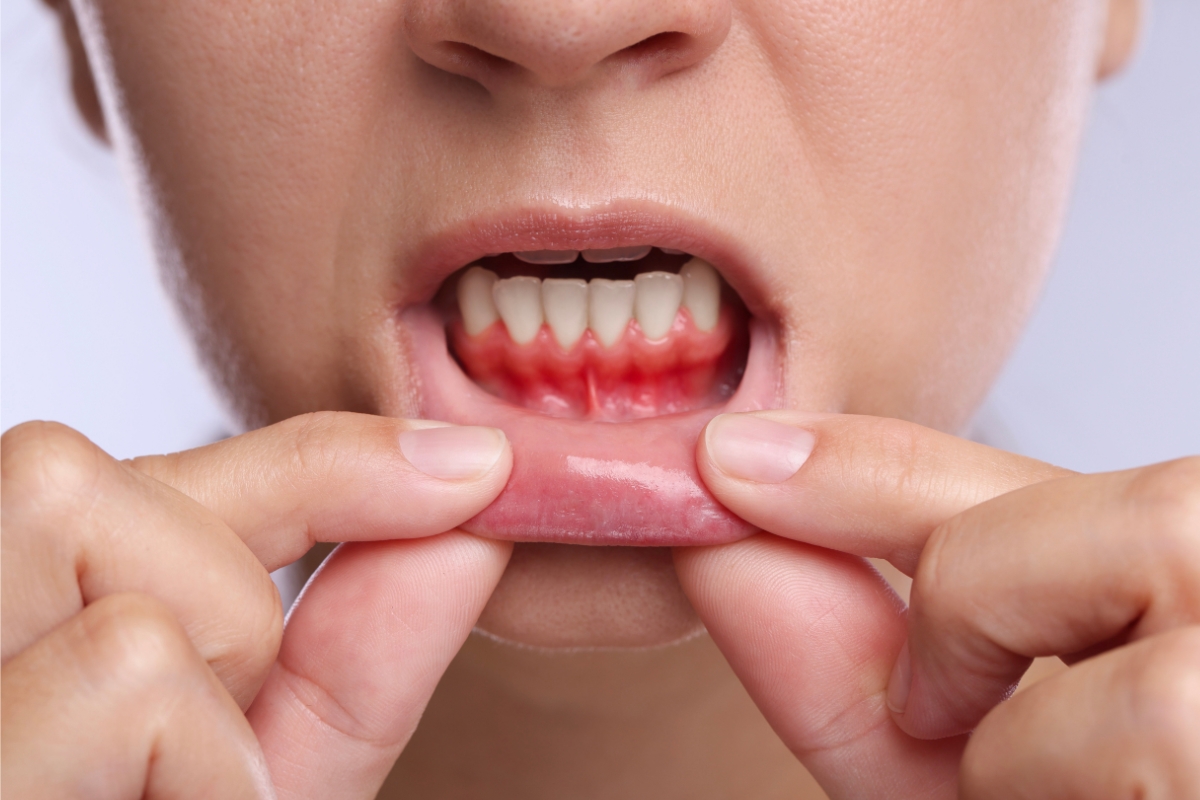
Wisdom teeth can cause problems when they begin to emerge, especially when there isn’t enough room for them to come in properly. One common issue is swelling in the gum tissue surrounding a wisdom tooth. The area may become tender, red, or painful, making everyday activities such as eating and brushing uncomfortable.
Although mild irritation can sometimes settle down, swelling should not be ignored. A partially erupted wisdom tooth can create a small pocket between the tooth and gum where food debris and bacteria collect. Over time, this can trigger inflammation or lead to an infection that requires professional treatment.
Why Do the Gums Around a Wisdom Tooth Swell?
One of the most common reasons for swelling is pericoronitis, an inflammation that develops around a partially erupted wisdom tooth. When only part of the tooth has broken through the gum, a flap of tissue may remain over it. Food particles and bacteria can become trapped underneath this tissue, making the area difficult to clean.
Other possible causes include irritation from the erupting tooth, gum infection, decay, or an impacted wisdom tooth that is pressing against surrounding structures. A dental examination can help determine what is actually causing the swelling rather than treating the symptoms alone.
If discomfort continues or begins interfering with eating and normal daily activities, seeing a dentist in Escondido can help identify the source of the problem and determine whether simple cleaning, medication, or wisdom tooth treatment is needed.
Signs That Your Wisdom Tooth May Be Causing a Problem
Swollen gum tissue is often accompanied by other symptoms. Pay attention if you notice:
- Tenderness or redness around the back molar
- Pain that extends toward the jaw, ear, or cheek
- Difficulty chewing comfortably
- Trouble opening your mouth completely
- Persistent bad breath
- An unpleasant taste in your mouth
- Pus or drainage around the gum
- Increasing swelling or sensitivity
A combination of these symptoms may indicate that bacteria have accumulated around the tooth or that an infection has developed.
What Can You Do for Swollen Wisdom Tooth Gums at Home?
If you are waiting for a dental appointment, a few simple measures may help ease irritation. These steps are intended for temporary relief and do not replace professional treatment when an infection is present.
Rinse With Warm Salt Water
A gentle saltwater rinse can help clean the area and soothe irritated gum tissue. Mix salt with warm water and carefully swish the solution around your mouth for about 30 seconds before spitting it out. This can be repeated a few times throughout the day.
Keep the Area Clean
Continue brushing and flossing, but be gentle around the swollen area. Carefully cleaning near the wisdom tooth can help reduce the amount of food debris and bacteria that remain around the gum flap.
Consider Over-the-Counter Pain Relief
If you can safely take them, over-the-counter pain relievers such as ibuprofen or acetaminophen may help manage discomfort. Always follow the product directions and consider any medical conditions or medications that may affect whether these medicines are appropriate for you.
Avoid Irritating the Area
Very hard, crunchy, or extremely spicy foods may make the gum feel more uncomfortable. Choosing softer foods temporarily and chewing on the opposite side may make eating easier while the area is irritated.
When Should You See a Dentist?
Home remedies may reduce discomfort, but they cannot remove an impacted tooth or eliminate an established dental infection. If the swelling persists, repeatedly returns, or becomes more painful, a dental evaluation is important.
Your dentist will examine the wisdom tooth, surrounding gums, and nearby teeth. Dental X-rays may also be recommended to determine whether the tooth is impacted or positioned in a way that could cause future problems.
How Is Swelling Around a Wisdom Tooth Treated?
Treatment depends on what is causing the inflammation and how severe the problem is.
Professional Cleaning
If food debris and bacteria have accumulated around a partially erupted tooth, carefully cleaning the area can help reduce irritation and inflammation.
Medication
When a bacterial infection is present, a dentist may prescribe antibiotics in appropriate cases. Antibiotics are not needed for every instance of wisdom tooth swelling, so treatment should be based on a dental evaluation.
Removal of Gum Tissue
If a gum flap repeatedly traps debris around an otherwise usable tooth, a dentist may consider removing the excess tissue. This can make the area easier to clean.
Wisdom Tooth Extraction
When a wisdom tooth is impacted, repeatedly infected, damaging neighboring teeth, or causing ongoing problems, extraction may be recommended. Removing the source of the recurring problem can help prevent similar episodes in the future.
When Is Wisdom Tooth Removal Recommended?
Not every wisdom tooth needs to be extracted. Some erupt normally and remain healthy without causing any significant problems.
Removal may be considered when a wisdom tooth:
- Causes repeated gum infections
- Remains trapped beneath the gum or bone
- Creates persistent pain or swelling
- Damages a neighboring tooth
- Develops decay that is difficult to treat
- Contributes to recurring inflammation
- Creates other oral health complications
Your dentist can evaluate the tooth’s position and condition before recommending extraction.
Can a Wisdom Tooth Problem Affect Nearby Teeth?
Yes. A problematic wisdom tooth can make the back of the mouth harder to clean. This may allow plaque and bacteria to accumulate around the wisdom tooth and adjacent molar.
In some cases, an impacted tooth can place pressure on a neighboring tooth or contribute to decay and gum problems. More rarely, cysts or other complications can develop around an impacted wisdom tooth.
Routine dental examinations can help identify these concerns before they become more difficult to manage.
Final Thoughts
Swollen gums around a wisdom tooth can be more than a temporary annoyance. Getting the cause checked early can help protect the surrounding teeth and prevent a minor problem from becoming more complicated. Schedule an appointment with Escondido Family Dental Care & Specialty Center to have your wisdom tooth and swollen gums evaluated.
Frequently Asked Questions
How long does swelling around a wisdom tooth usually last?
The duration depends on the cause. Minor irritation may settle within a few days, while swelling associated with an infection may persist or worsen without appropriate treatment.
Can swollen wisdom tooth gums go away on their own?
Mild inflammation may temporarily improve with careful oral hygiene, but recurring or infection-related swelling should be evaluated by a dentist. Symptoms improving temporarily does not necessarily mean the underlying problem has been resolved.
Is swelling around a wisdom tooth an emergency?
Not every case is an emergency, but rapidly increasing swelling, fever, difficulty swallowing, difficulty breathing, severe pain, or swelling extending into the face or neck requires prompt dental or medical attention.
Does every swollen wisdom tooth need to be removed?
No. Extraction is not automatically necessary. The decision depends on the tooth’s position, symptoms, overall condition, and whether it is causing repeated problems.
Can I brush a swollen wisdom tooth?
Yes, but use a gentle technique and a soft-bristled toothbrush. Keeping the area clean can help reduce the buildup of plaque and food debris, although aggressive brushing may further irritate swollen tissue.
What happens if I ignore a swollen wisdom tooth?
Ignoring persistent swelling can allow an infection or other dental problem to progress. If the swelling keeps returning or is accompanied by increasing pain, drainage, fever, or difficulty opening your mouth, seek professional dental care.