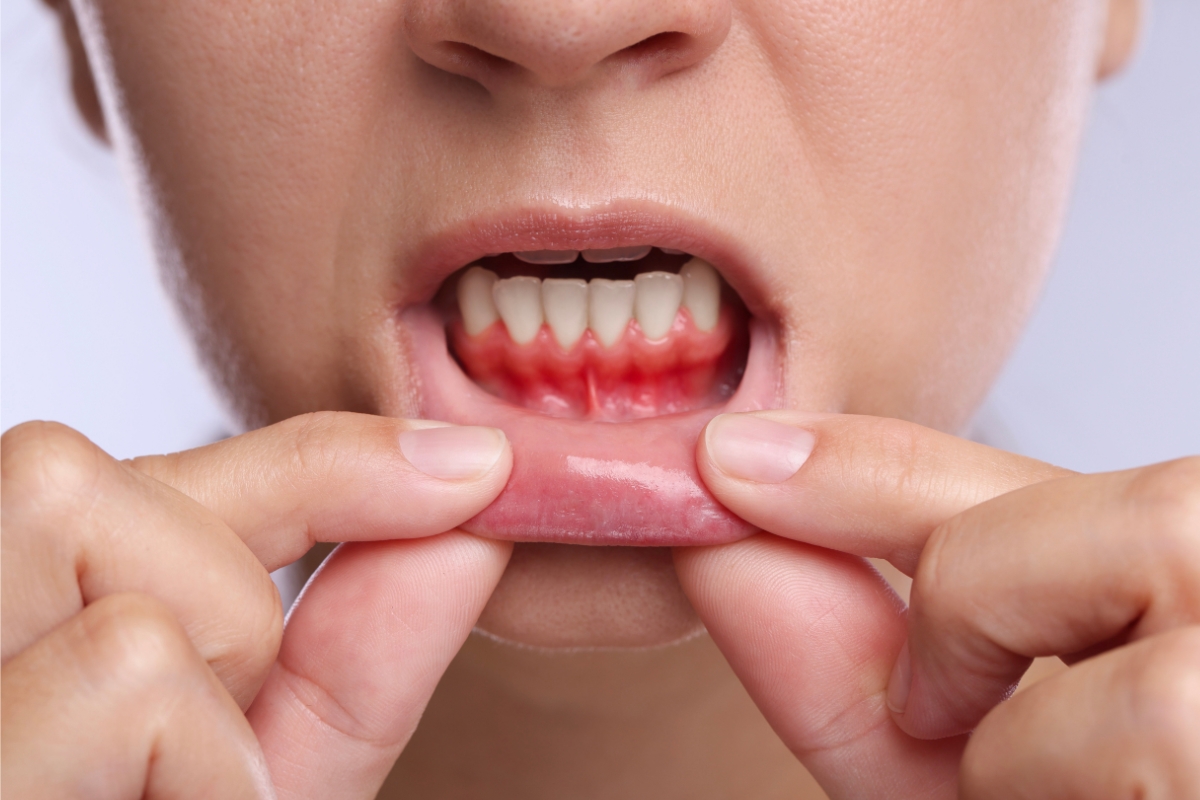
Gum pain, redness, and swelling can make everyday activities like eating, brushing, and speaking uncomfortable. You might also notice bleeding when you brush your teeth, tenderness around certain teeth, or a persistent unpleasant taste in your mouth. These symptoms may indicate a gum infection that needs attention rather than something that will disappear on its own.
Gum infections often develop when plaque accumulates around the teeth and along the gumline. Plaque contains bacteria that can irritate gum tissue and trigger inflammation. If it remains on the teeth, it can harden into tartar, making it more difficult to remove at home. Without proper care, the infection may progress and damage the tissues that hold your teeth in place.
Several factors can increase the likelihood of developing gum problems, including inconsistent brushing and flossing, tobacco use, stress, certain medications, and health conditions that affect the body’s ability to manage infection. Recognizing the symptoms early can help you seek appropriate treatment before the condition becomes more serious.
If gum discomfort continues despite better brushing and flossing, a dental examination can help identify the cause. Visiting an Escondido dentist allows you to receive an assessment of your gum health and determine whether you need a professional cleaning, periodontal treatment, medication, or another approach based on the source and severity of the infection.
Why Is Early Treatment Important for Gum Infections?
A gum infection can become more difficult to manage when treatment is delayed. Early inflammation, known as gingivitis, may cause redness, tenderness, and bleeding. When the condition progresses to periodontitis, the infection can damage the tissues and bone supporting the teeth.
Advanced gum disease may lead to receding gums, loose teeth, and eventual tooth loss. In some cases, an infection can form an abscess, which may cause significant pain, swelling, and pus around the affected area. Prompt dental care helps control the source of the infection and reduces the risk of further damage.
Do All Gum Infections Require Antibiotics?
No. Antibiotics are not necessary for every gum infection. The right treatment depends on what’s causing the problem and how far it has progressed.
For example, gingivitis often improves with professional dental cleaning and consistent oral hygiene. Periodontitis may require deeper cleaning beneath the gumline and ongoing periodontal care. When a localized dental abscess or a spreading bacterial infection develops, a dentist may consider antibiotics along with treatment to address the source.
Antibiotics are not a substitute for removing plaque, tartar, or infected material. Taking them without a proper diagnosis may delay the treatment you actually need. Never use leftover antibiotics or medication prescribed to someone else.
Which Antibiotics May Be Prescribed for Gum Infections?
There is no single antibiotic that works best for every gum infection. A dentist considers the type of infection, its severity, your medical history, medication allergies, and other medicines you take before deciding whether an antibiotic is appropriate.
Some medications a dental professional may consider include:
Amoxicillin
Amoxicillin is a penicillin-family antibiotic that may be prescribed for certain bacterial dental infections. It works against susceptible bacteria and may be used when a dentist determines that systemic antibiotic treatment is appropriate. It is not necessary for every case of gum disease.
Metronidazole
Metronidazole targets certain bacteria, including anaerobic bacteria that can contribute to some oral infections. A dentist may prescribe it in selected situations, sometimes alongside another antibiotic, depending on the diagnosis and treatment needs.
Doxycycline
Doxycycline is sometimes used in periodontal care. In specific circumstances, dental professionals may prescribe it to help manage certain periodontal conditions. Its use depends on the patient’s needs, and it is not appropriate for everyone.
Clindamycin
Clindamycin may be considered for selected dental infections when a clinician determines it is suitable. However, it can cause serious side effects, including Clostridioides difficile–associated diarrhea, so its risks must be weighed carefully. A penicillin allergy does not automatically mean clindamycin is the best alternative; the appropriate choice depends on the individual situation.
Important: Do not choose an antibiotic based on a symptom checklist or online recommendation. Only take one prescribed for you, exactly as directed by your healthcare professional.
Why Antibiotics Alone May Not Clear a Gum Infection
Antibiotics can help control susceptible bacteria, but they do not remove the hardened deposits that accumulate on teeth or correct the underlying cause of many gum infections.
Depending on your diagnosis, treatment may include scaling and root planing, which removes plaque and tartar from beneath the gumline. A dental abscess may require drainage or another procedure to eliminate the source of infection. If an affected tooth is involved, additional dental treatment may be necessary.
Your dentist will explain which treatments are appropriate and whether medication offers any additional benefit. Following the recommended treatment plan and maintaining daily oral hygiene can help reduce the chance of recurring problems.
Home Care That May Help Ease Gum Discomfort
While waiting for a dental appointment or following your dentist’s instructions, a few simple measures may help soothe irritated gums:
- Rinse with warm salt water: Dissolve about half a teaspoon of salt in a cup of warm water, gently swish, and spit it out. Do not swallow the mixture.
- Brush gently: Use a soft-bristled toothbrush and fluoride toothpaste to clean your teeth without irritating tender gum tissue.
- Clean between your teeth: Floss carefully or use an interdental cleaner to remove plaque where your toothbrush cannot reach.
- Choose comfortable foods: Soft foods may be easier to eat when your gums feel sore. Avoid foods that aggravate the affected area.
- Avoid tobacco: Smoking and other tobacco use can interfere with gum health and healing.
These measures may relieve discomfort, but they cannot cure an abscess or replace professional treatment when an infection requires it.
How Can You Prevent Gum Infections?
Good daily habits can lower your risk of gum inflammation and help protect the tissues around your teeth. Brush twice a day with fluoride toothpaste, clean between your teeth daily, and attend regular dental examinations and cleanings.
Limit frequent sugary snacks and drinks, avoid tobacco products, and let your dentist know about medications or health conditions that may affect your oral health. If you have a history of periodontal disease, ask how often you should receive professional maintenance care.
When Should You See a Dentist?
Contact a dental professional if you experience persistent gum swelling, bleeding, tenderness, pus, a bad taste in your mouth, or gum pain that does not improve. A dental examination can help determine whether the problem is gingivitis, periodontitis, an abscess, or another condition requiring different treatment.
Seek urgent dental or medical care if you develop facial swelling, fever, or rapidly worsening pain. Difficulty breathing or swallowing, or swelling that affects your neck or the floor of your mouth, requires emergency medical attention.
Prompt evaluation can help prevent complications and ensure you receive treatment suited to your condition.
If you’re experiencing gum pain, swelling, or other signs of infection, schedule an appointment with Escondido Family Dental Care & Specialty Center in Escondido, CA, for an evaluation and personalized treatment recommendations.
Frequently Asked Questions
What is the best antibiotic for a gum infection?
There is no universally best antibiotic. Depending on the diagnosis, a dentist may consider amoxicillin, metronidazole, doxycycline, or another medication. Some gum conditions do not require antibiotics at all.
Can a gum infection go away without antibiotics?
Mild gum inflammation may improve with professional cleaning and consistent oral hygiene. However, an abscess or a spreading infection may require additional treatment, potentially including antibiotics. A dental examination helps determine the appropriate approach.
How quickly do antibiotics work for a gum infection?
Some people begin to notice symptom improvement within a few days, but the response varies depending on the infection and treatment. Contact your dentist if symptoms worsen or fail to improve as expected, and follow the prescribed instructions.
Can I treat a gum infection with salt water?
Warm saltwater rinses may temporarily soothe irritated gums, but they cannot eliminate tartar or reliably treat an established bacterial infection. Use them as a supportive measure rather than a replacement for dental care.
What happens if a gum infection is left untreated?
An untreated infection may progress, causing gum recession, damage to the supporting bone, loose teeth, or tooth loss. An abscess may also develop or worsen, making prompt evaluation important.
Should I stop taking antibiotics when the pain goes away?
Follow the prescription and your clinician’s instructions. Do not change or stop the medication on your own; contact the prescribing professional if you experience side effects or have concerns about your treatment.