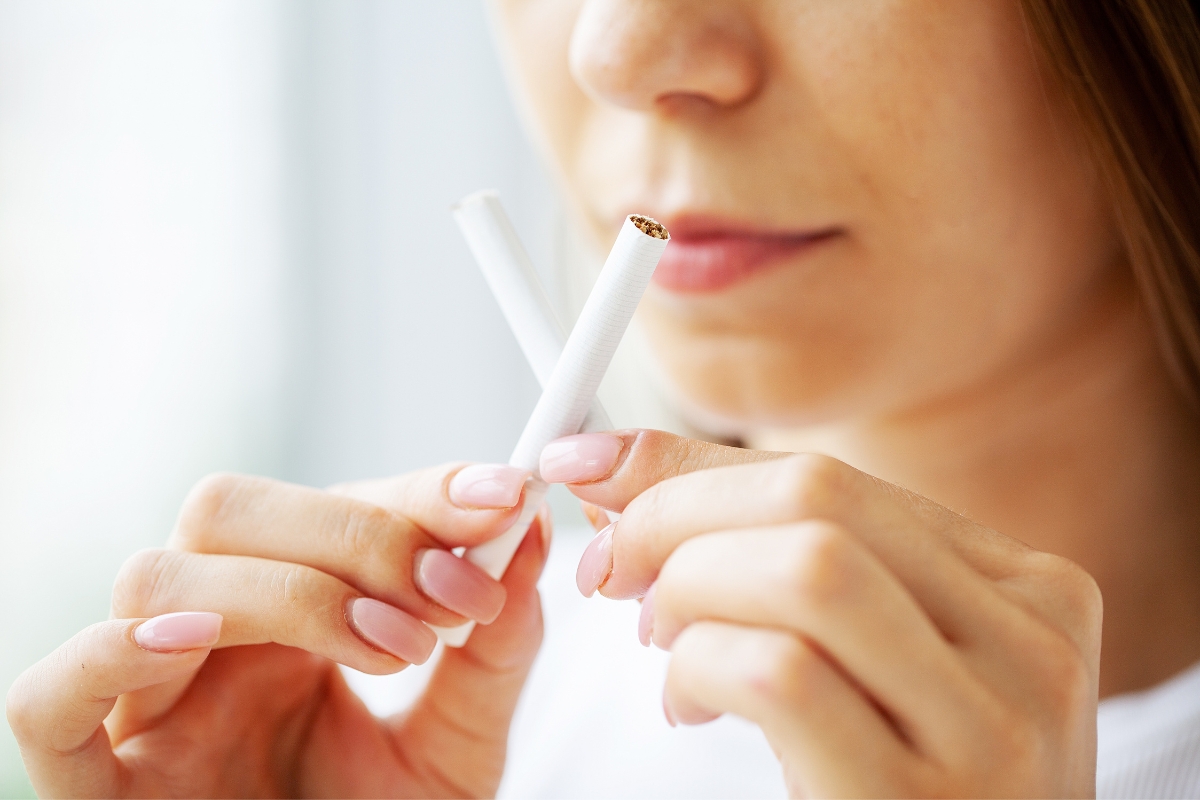
Dental implants can make a big difference in the way you eat, speak, and feel about your smile. After going through implant surgery, it is natural to want to return to your everyday habits as quickly as possible. If you smoke, one question may be on your mind: How long do I really need to wait before having a cigarette?
The answer is more important than it may seem. Your mouth goes through a significant healing process after an implant is placed, and smoking can make that process harder. Even if the surgical site feels better after a few days, the deeper tissues and bone may still be healing.
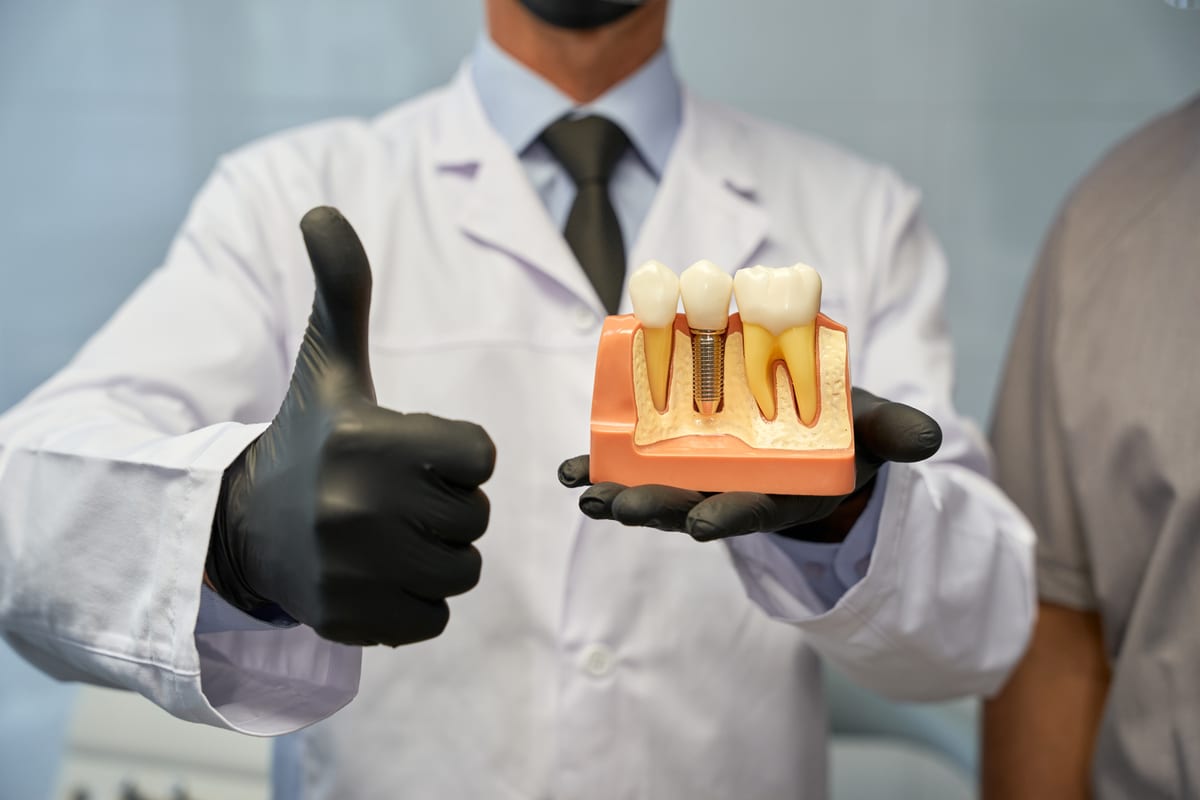
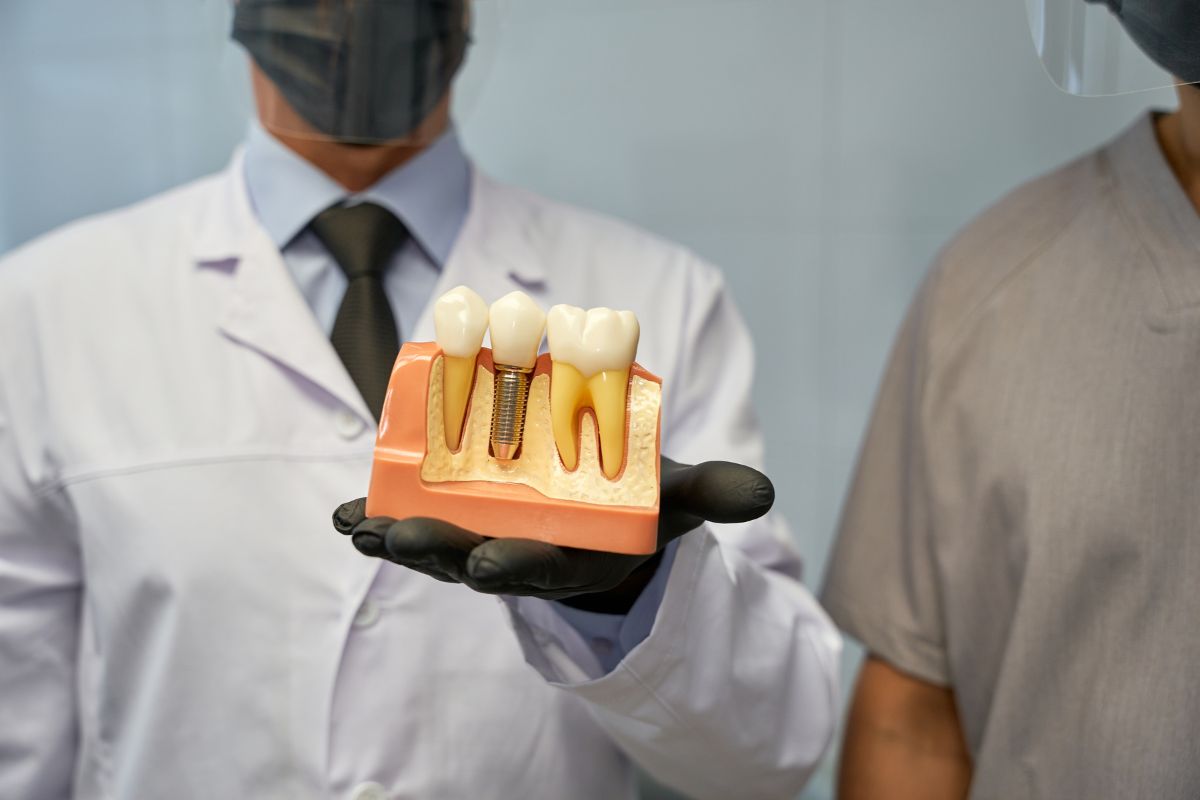
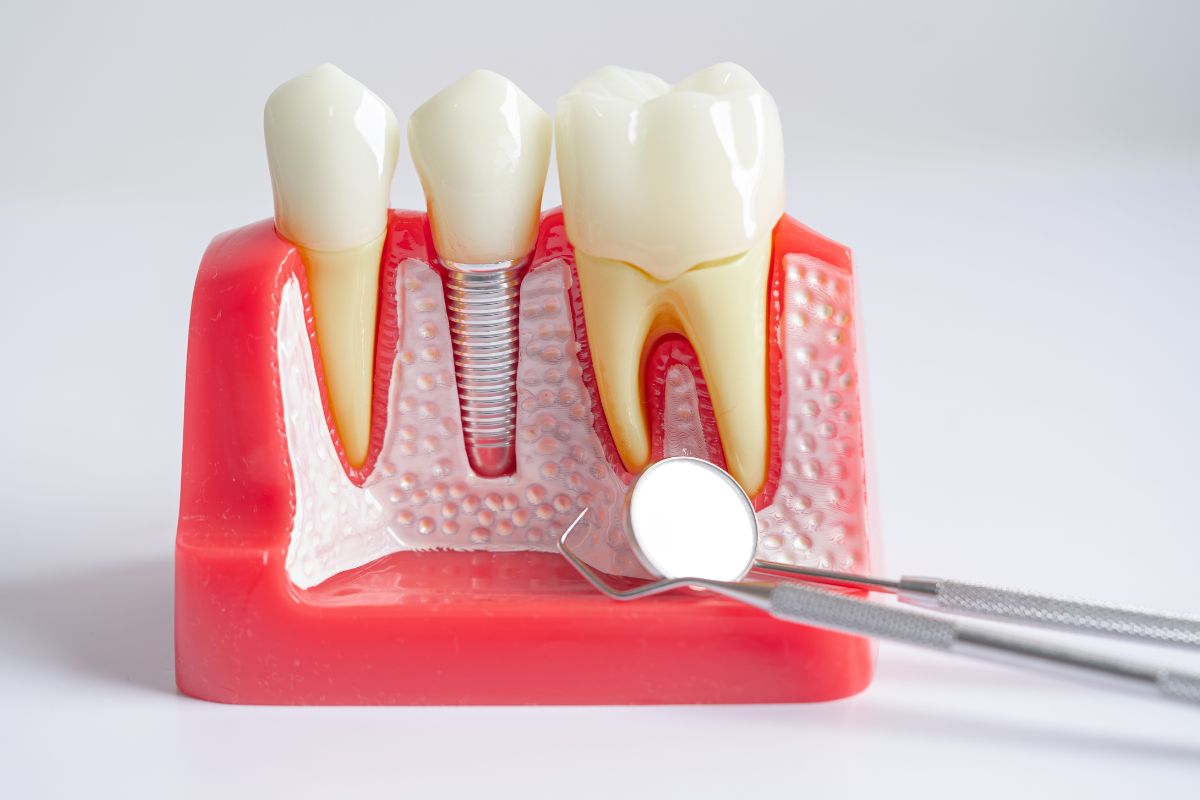
During the early stages of recovery, the implant needs a stable and healthy environment so it can become securely connected to the jawbone. This process, known as osseointegration, takes time and is an important part of achieving a strong, functional implant.
For patients receiving dental implants in Escondido, taking care of the implant after surgery is just as important as the procedure itself. Following your dentist’s instructions and avoiding habits that can interfere with healing can help give your new implant the best possible start.
Why Does the First Few Days Matter So Much?
The first several days following implant surgery are a particularly delicate time. Your gums are beginning to repair themselves, the surgical area is settling, and your body is working to protect the site from infection and other complications.
Smoking can interfere with these early healing steps. The heat and chemicals found in cigarette smoke can irritate the tissues, while nicotine can affect blood circulation. Since healing tissues need an adequate supply of oxygen and nutrients, reduced blood flow may slow the recovery process.
What Does Smoking Do to a Healing Implant?
Cigarettes contain nicotine, carbon monoxide, and numerous other chemicals that can negatively affect the body’s ability to heal. Nicotine causes blood vessels to narrow, which can reduce circulation around the surgical area. Carbon monoxide can also interfere with oxygen delivery.
For someone recovering from implant treatment, this can mean slower tissue repair and a less favorable environment for the implant to integrate with the bone. An Escondido dentist may therefore recommend staying away from cigarettes and other tobacco products during the recovery period.
Smoking may also contribute to dry mouth. Saliva plays an important role in keeping the mouth balanced, so having less of it can make it easier for bacteria to accumulate. Together, these effects may increase the chances of inflammation, infection, gum problems, bone loss, or complications involving the implant.
How Soon Can You Smoke After Getting an Implant?
It is generally recommended that you avoid smoking for at least 72 hours after implant surgery. The first three days give the surgical area an opportunity to begin healing without the added irritation and chemical exposure caused by smoking.
However, three days should not be viewed as a point at which smoking becomes completely harmless. Your implant is still healing after the initial 72 hours. The bone may take weeks or even months to fully integrate with the implant.
If you can avoid smoking for a longer period, that is preferable. Many dental professionals encourage patients to remain smoke-free for two to three months, particularly while osseointegration is taking place. Your individual healing time may be different, so your dentist’s instructions should always take priority.
What About Vaping?
Switching from cigarettes to vaping does not necessarily remove the concerns associated with implant recovery. Many vaping products contain nicotine, and nicotine can still affect circulation and the healing process.
Vaping can also expose your mouth to substances that may irritate tissues that are still recovering from surgery. For these reasons, it is best not to assume that vaping is a safe substitute during the healing period.
If you are unsure about vaping or nicotine products after your procedure, ask your dental provider before using them.
What Problems Can Smoking Cause After Implant Surgery?
Smoking too soon after implant placement can increase the possibility of healing complications. Depending on the individual, these may include:
- Slower healing: Reduced circulation can make it harder for damaged tissues to repair themselves.
- Inflammation: Smoke and nicotine can irritate already-sensitive oral tissues.
- Infection: Changes in the oral environment may make infection more likely.
- Bone-related problems: Smoking can interfere with the healthy bone response needed to support an implant.
- Peri-implantitis: Inflammation and infection around an implant can damage the surrounding tissues and bone.
- Implant failure: If the implant does not properly integrate with the jawbone, it may eventually become loose or require additional treatment.
Smoking does not automatically mean that an implant will fail. However, it is a factor that can make successful healing more difficult.
What If You Cannot Quit Smoking Completely?
Quitting smoking can be difficult, especially for someone who has smoked regularly for years. If you are having trouble stopping, do not keep your dentist in the dark about it. Being honest about how much you smoke allows your dental team to provide more appropriate guidance for your recovery.
Some people use nicotine-replacement products, such as patches, gum, or lozenges, when trying to stay away from cigarettes. These products do not expose the surgical area to cigarette smoke and heat, but they still contain nicotine in many cases. Because nicotine itself can affect healing, talk with your dentist or healthcare provider before choosing an alternative.
Even reducing your tobacco use may be a step in the right direction, but avoiding smoking altogether during the healing period provides the least exposure to the factors that can interfere with recovery.
Simple Ways to Help Your Implant Heal
Your habits during the recovery period can make a difference. Along with avoiding smoking, consider these basic steps:
Keep Yourself Hydrated
Drink plenty of water throughout the day. Staying hydrated can help with dry mouth and supports your body’s normal recovery processes.
Follow Your Oral Care Instructions
Your dentist may give you specific instructions about brushing, rinsing, and cleaning around the implant. Follow those directions carefully and avoid disturbing the surgical area.
Choose Softer Foods
Your mouth may be tender after surgery, so softer foods can make eating more comfortable. Avoid foods that are excessively hard, crunchy, or sticky if your dentist tells you to do so.
Use Recommended Rinses
If your dentist recommends an antibacterial or prescription mouth rinse, use it according to their instructions. Do not introduce new oral-care products without checking first.
Do Not Skip Follow-Up Appointments
Your implant may feel fine even while important healing is still taking place beneath the gums. Follow-up visits allow your dentist to check the surgical site and make sure recovery is progressing as expected.
Final Thoughts
It can be frustrating to put a familiar habit on hold, but the healing period after implant surgery is temporary while the benefits of a successful implant can last for many years. Avoiding cigarettes during this important stage gives your gums and jawbone a better opportunity to recover and allows the implant to become securely established.
If you smoke, talk openly with your dental provider before and after your implant procedure. They can explain how tobacco use may affect your particular treatment and give you instructions based on your healing progress.
If you have questions about smoking after dental implants or are ready to learn more about implant treatment, schedule an appointment with our dental team today.
Frequently Asked Questions
Can I Smoke on the Day of My Implant Surgery?
You should not smoke on the day of your implant procedure. The surgical site needs time to begin healing, and smoking can interfere with this early stage. Follow your dentist’s specific instructions regarding when tobacco use should be avoided.
Is Waiting 72 Hours Enough?
Seventy-two hours is commonly recommended as a minimum period without smoking, but healing does not stop after three days. The implant continues to integrate with the jawbone for much longer. If possible, remain smoke-free for several weeks or throughout the main healing period.
Can One Cigarette Affect My Dental Implant?
Even occasional smoking exposes your healing tissues to nicotine, heat, and chemicals. While one cigarette does not guarantee that an implant will fail, avoiding unnecessary exposure is the safer approach while your mouth is recovering.
Is Vaping Better Than Smoking After Implant Surgery?
Vaping should not be considered a risk-free option. Many vaping products contain nicotine, which can affect blood flow and healing. Your dental provider can advise you about nicotine use during your individual recovery.
Can Smoking Make a Dental Implant Fail?
Smoking can increase the risk of problems such as delayed healing, infection, inflammation, and impaired bone integration. These complications can contribute to implant failure in some patients.
How Long Should I Ideally Stay Smoke-Free?
The longer you can avoid smoking during recovery, the better. Many dentists recommend avoiding tobacco throughout the period when the implant is integrating with the jawbone, which may take two to three months. Your actual timeline will depend on your procedure and how your mouth heals.
Can Smokers Still Get Dental Implants?
Yes. Smoking does not automatically prevent someone from receiving dental implants. However, tobacco use can affect healing and increase the likelihood of certain complications. Your dentist may encourage you to quit or reduce smoking before and after treatment.