Dental implants last 25+ years—here’s why some fail early, and what you can do to prevent it. Most patients assume implants are permanent once placed. The truth is more nuanced. Implant lifespan depends on biology, habits, and the care you receive before and after surgery. Understanding these factors puts you in control of your long-term outcome.
How Long Do Dental Implants Actually Last?
Research consistently shows that dental implants have a 95% or higher success rate over 10 years. Many implants remain fully functional at the 25-year mark. Some patients keep their implants for life without any significant complications.
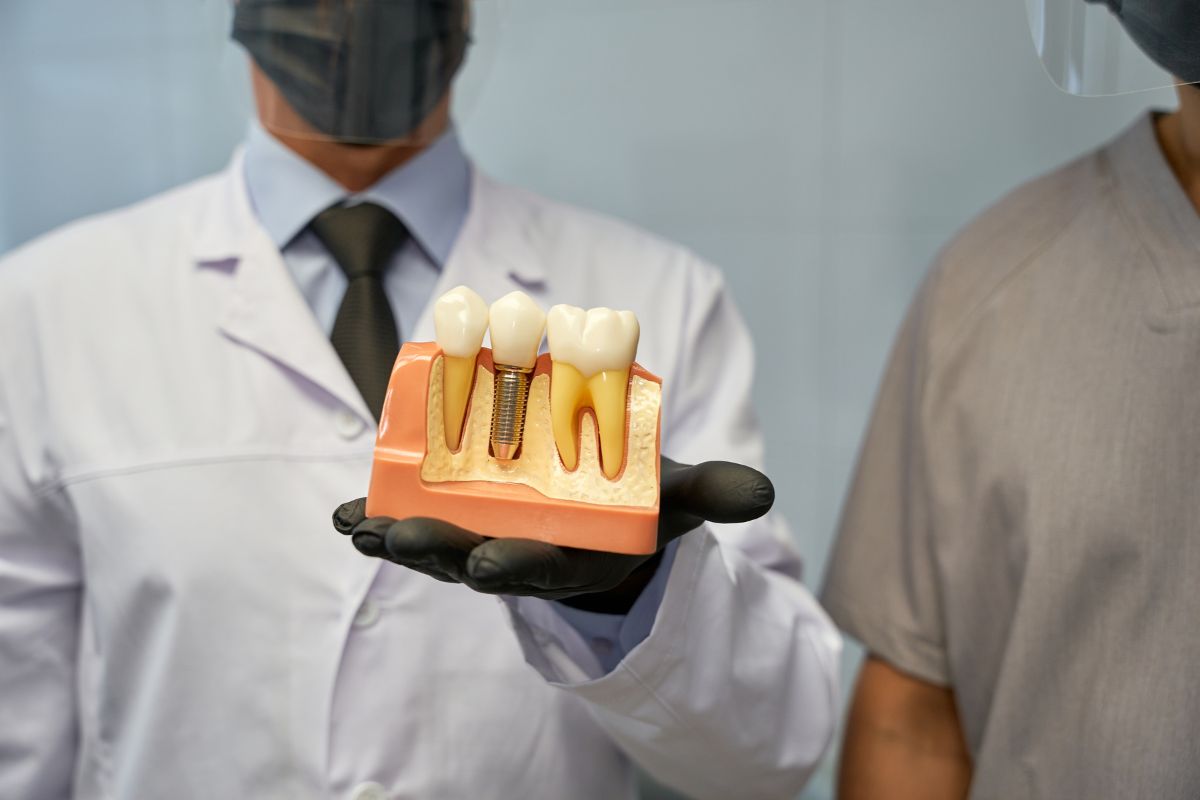
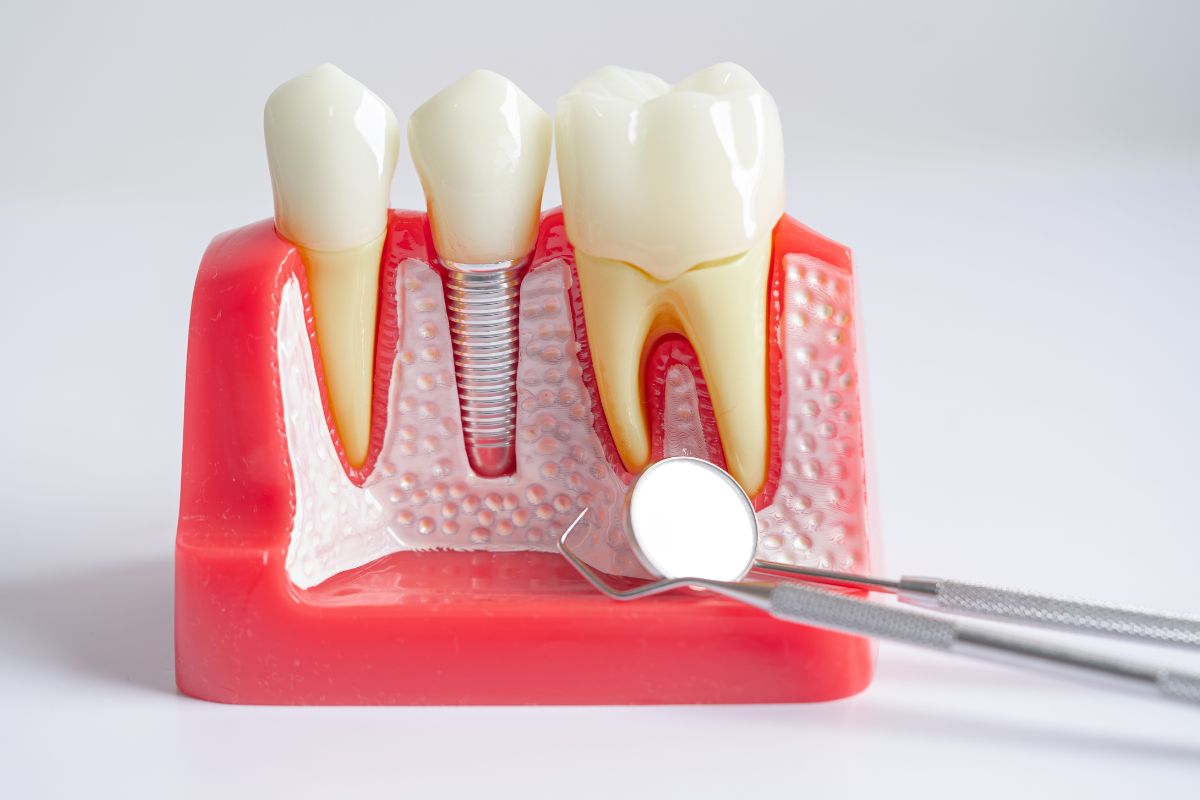
The implant post itself—the titanium screw placed in your jaw—is the most durable component. It fuses with bone through a process called osseointegration. Once that bond forms correctly, the post can last decades.
The crown attached to the implant is a different story. Crowns typically last 10–15 years before needing replacement due to normal wear. Protecting the crown extends the lifespan of the entire restoration. With proper care, many crowns last well beyond that estimate.
Why Some Dental Implants Fail Earlier Than Expected
Early implant failure usually occurs within the first few months after placement. This happens when the implant does not bond properly with the surrounding bone. Several factors increase this risk significantly.
Late failure—occurring years after successful integration—is less common but still possible. It often results from infection, bone loss, or physical trauma. Understanding both types helps patients make informed decisions about their care.
The most common reasons implants fail early include:
- Peri-implantitis: A bacterial infection around the implant site that damages bone
- Insufficient bone density: Not enough jaw bone to support stable osseointegration
- Smoking: Reduces blood flow and slows healing dramatically
- Uncontrolled diabetes: Impairs immune response and tissue healing
- Teeth grinding (bruxism): Places excessive force on the implant and crown
- Poor oral hygiene: Allows bacteria to accumulate around the implant base
- Skipping follow-up appointments: Allows small problems to become serious ones
Many of these risk factors are manageable. Identifying them before surgery gives your dental team a chance to address them proactively.
What Makes Dental Implants Last a Lifetime
Patients who enjoy long-lasting implants share several key habits. None of these habits are complicated. They simply require consistency and commitment over time.
Good oral hygiene is the single most important factor. Brushing twice daily and flossing around implant sites removes the bacteria that cause peri-implantitis. Using a soft-bristled toothbrush and non-abrasive toothpaste protects the crown’s surface.
Here are the most effective ways to extend your implant’s lifespan:
- Brush at least twice daily using proper technique around the implant site
- Floss daily using implant-specific floss or a water flosser
- Attend professional cleanings every six months without exception
- Wear a custom nightguard if you grind your teeth during sleep
- Avoid biting hard objects like ice, pens, or hard candy
- Quit smoking or avoid tobacco products entirely
- Manage systemic conditions like diabetes with your physician’s guidance
Your dental team can also apply protective sealants and monitor bone levels with periodic X-rays. Early detection of bone loss allows treatment before implant failure becomes inevitable.
The Role of Proper Patient Selection and Placement
Implant longevity begins before the procedure even starts. A thorough evaluation identifies patients who are strong candidates and those who need preparation first. Rushing into placement without proper assessment increases failure risk significantly.
Bone grafting may be necessary for patients with inadequate jaw bone. This procedure rebuilds the foundation needed for stable osseointegration. Waiting for the graft to fully integrate takes time, but it dramatically improves long-term outcomes.
Precise surgical placement also matters enormously. The implant must be positioned at the correct angle and depth to distribute bite forces evenly. Poor placement creates stress points that lead to mechanical failure over time.
At Escondido Family Dental Care & Specialty Center, our dental team performs a comprehensive assessment for every implant candidate. We review bone density, gum health, bite alignment, and medical history before recommending treatment. This process protects your investment and maximizes your chances of a lifetime result.
Recognizing Warning Signs Before Failure Occurs
Catching problems early can save an implant that might otherwise need removal. Many patients ignore early symptoms because they seem minor. Acting quickly at the first sign of trouble is always the right choice.
Watch for these warning signs and contact your dental team promptly if they appear:
- Persistent pain or discomfort around the implant site
- Redness, swelling, or bleeding gums near the implant
- A loose or wobbly feeling in the implant or crown
- Difficulty chewing that was not present before
- Visible recession of gum tissue around the implant base
These symptoms do not always mean the implant has failed. In many cases, early intervention—such as deep cleaning or adjusting the bite—resolves the issue completely. The key is not to wait and hope the problem resolves on its own.
Conclusion: Protect Your Implant Investment for the Long Term
Dental implants are one of the most reliable tooth replacement options available today. With the right preparation, skilled placement, and consistent home care, they genuinely can last 25 years or more. The patients who experience early failure almost always have identifiable, preventable risk factors. Education and proactive care make all the difference. Our dental team at Escondido Family Dental Care & Specialty Center is here to guide you through every stage of the implant journey. Learn More about how we can help you.
Frequently Asked Questions
How long do dental implants typically last?
Dental implants can last 25 years or longer with proper care. The titanium post that fuses with your jawbone is extremely durable and rarely needs replacement. The crown attached to the implant usually lasts 10–15 years before normal wear requires a replacement crown.
What is the most common reason dental implants fail?
Peri-implantitis—a bacterial infection around the implant—is the leading cause of implant failure. It damages the surrounding bone and weakens the implant’s foundation. Consistent oral hygiene and regular professional cleanings are the best defenses against this condition.
Does smoking really affect dental implant success?
Yes, significantly. Smoking reduces blood flow to the gums and bone, which slows the healing process after surgery. Studies show that smokers have a much higher implant failure rate than non-smokers. Quitting smoking before and after implant placement greatly improves long-term success.
Can a failing dental implant be saved?
In some cases, yes. If peri-implantitis is caught early, deep cleaning and antibiotic therapy can stop the infection and preserve the implant. If bone loss is severe, grafting may be possible before re-implantation. Early intervention gives you the best chance of saving the implant.
How often should I visit the dentist after getting an implant?
Most patients should schedule professional cleanings every six months after implant placement. Your dentist may recommend more frequent visits during the first year to monitor healing. Regular X-rays help detect bone loss early before it becomes a serious problem.