Introduction
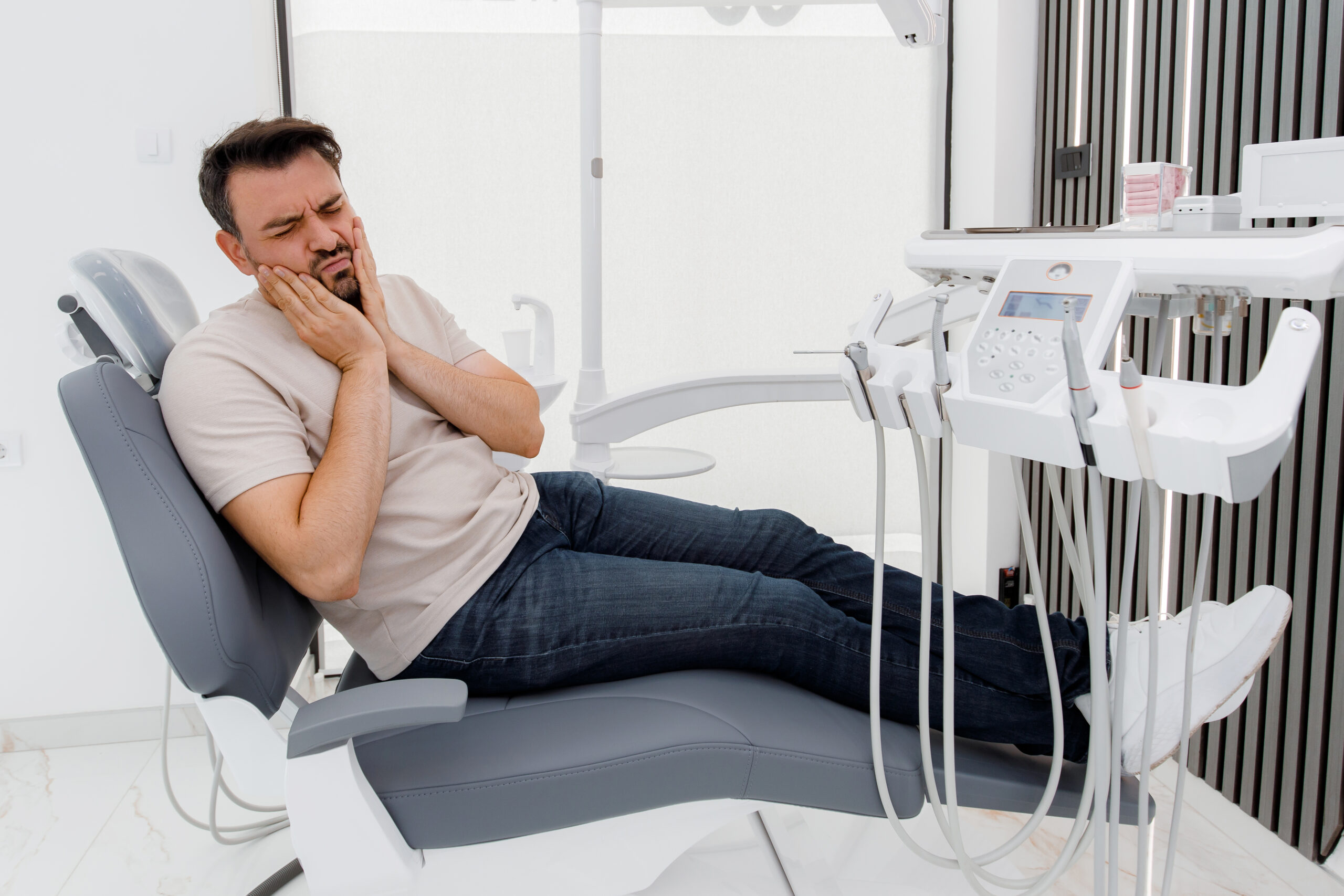
Your braces journey has ended. You’re thrilled with your new smile, confident in how far you’ve come. Then it happens – your retainer is missing or broken. A rush of worry sets in. Will your teeth shift back? How quickly? Can this be fixed? At Escondido Family Dental Care & Specialty Center, led by Dr. Maitham Alaayedi, we often see this scenario. Retainers may seem small and simple, but they are the unsung heroes that preserve your smile. Losing or damaging one can feel stressful, but with the right approach, your teeth can stay exactly where they belong. This guide walks you through what to do if you lose your retainer, how to spot problems early, the differences between retainer types, and best practices for long-term smile maintenance.
The Silent Work of Retainers
Retainers are not just a finishing touch – they are the guardians of your teeth alignment. After braces, teeth naturally want to drift back to their original positions. Without a retainer, subtle shifts begin almost immediately. The first few days are critical; understanding the importance of wearing retainers daily is essential for every patient. Think of retainers as a gentle guide, quietly holding your teeth while your gums, ligaments, and bone adapt to the new arrangement. They maintain the harmony of your smile, ensuring that months or years of treatment are not undone.
Recognizing the Need for a New Retainer
Knowing the signs you need a new retainer can save you from unexpected changes in your smile:
- The retainer feels loose or doesn’t fit snugly
- Cracks, warping, or broken wires appear
- Teeth feel pressure or movement even with proper wear
- Buildup, staining, or persistent discomfort that cannot be cleaned away
Early recognition is key. Even minor misalignments, if left unchecked, can evolve into noticeable changes over time.
Lost or Broken Retainer? Here’s What to Do
If your retainer is lost or broken, immediate action will protect your teeth:
- Stay Calm: Teeth don’t shift overnight. Acting promptly is what matters most.
- Inspect the Retainer: For minor cracks, rinse gently with lukewarm water. Avoid hot water, which can deform the device.
- Contact Your Dentist: Reach out to Dr. Maitham Alaayedi at Escondido Family Dental Care & Specialty Center to schedule an evaluation. They will advise immediately whether a replacement is needed.
- Temporary Measures: Small cracks may be cushioned with orthodontic wax until a proper replacement is ready. This is only a short-term solution.
- Avoid DIY Fixes: Never heat, bend, or glue a retainer at home. Improper handling can render it useless.
By acting quickly, you maintain control over your smile and avoid complications.
Know everything about – Retainer replacement cost in Escondido!
Types of Retainers and Their Considerations
Understanding your retainer helps you take better care of it:
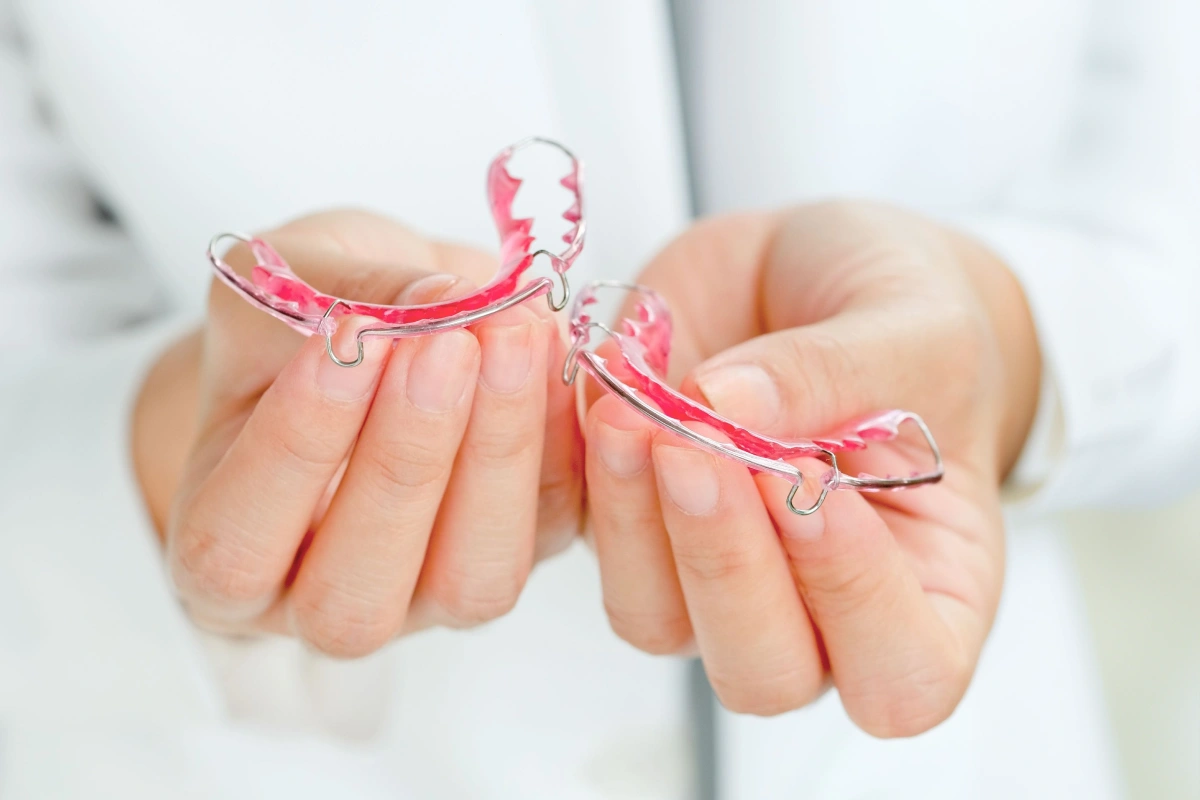
- Clear Retainers: Custom-molded plastic devices that fit snugly over your teeth. Nearly invisible and comfortable, but can crack or warp if mishandled.
- Wire Retainers (Hawley): Acrylic base with a thin metal wire across the front teeth. Durable, adjustable, and long-lasting, though more visible.
The differences between a clear retainer and a wire retainer affect durability, esthetics, and maintenance. Clear retainers offer discretion, while wire retainers allow minor adjustments and often survive years of careful wear.
Maintaining Your Retainer
A replacement retainer is only effective if used properly. Best practices include:
- Wear It Daily: Consistent wear helps keep teeth stable. Skipping days can allow subtle movement.
- Clean Carefully: Gently brush with a soft toothbrush and mild soap. Avoid harsh toothpaste or boiling water.
- Store Safely: Always use a protective case. Leaving a retainer exposed increases the risk of breakage or loss.
- Monitor Fit: Regularly check for looseness or cracks, signaling when a new retainer is needed.
- Travel Smart: Carry a travel case to avoid accidental loss or damage when away from home.
Creative Tips for Retainer Compliance
Many patients struggle with consistent retainer use. Here are inventive ways to stay on track:
- Reminders: Phone alarms for morning and night wear
- Gamify It: Track streaks and reward consistent wear
- Visible Cues: Place the retainer case near your toothbrush
- Portable Habits: Keep a mini cleaning kit for when you travel
These small habits transform retainer maintenance from a chore into a natural part of your routine.
When to Seek Professional Help
Immediate consultation is crucial if:
- Your retainer is lost and cannot be found quickly
- The device is broken, warped, or bent
- Teeth feel tight, shifting, or misaligned despite proper wear
- You’re unsure about fit, type, or next steps
At Escondido Family Dental Care & Specialty Center, led by Dr. Maitham Alaayedi, we evaluate the situation, guide you through the replacement process, and ensure your new retainer fits perfectly.
The Long-Term View
Teeth are not static – they shift naturally over time. Even years after braces, small movements can occur, and without a retainer, these subtle shifts can gradually alter your smile. Retainers serve as the silent, consistent guardians of your dental alignment, holding each tooth firmly in place while the surrounding gums, ligaments, and bone adjust to their new positions.
Replacing a lost or broken retainer promptly is essential. Every day without a properly fitting retainer is an opportunity for teeth to drift, sometimes in ways that are difficult to reverse without additional dental intervention. Timely replacement ensures that the progress achieved through months of braces or aligner therapy is preserved, and it helps avoid future corrective procedures that could be more complex or time-consuming.
Whether you prefer a clear retainer that fits snugly over your teeth or a traditional wire retainer, the principles remain the same. Consistent daily wear is key. Regular cleaning and proper storage prevent damage or bacterial buildup, ensuring your retainer functions effectively for as long as possible. Periodic dental checkups allow your dentist to monitor both your retainer and your teeth, catching early signs of wear or misalignment before they affect your smile.
In essence, a retainer is not just a temporary accessory – it’s a lifelong partner in maintaining your dental health and confidence. The habits you build around wearing, caring for, and replacing your retainer will pay off with a smile that remains straight, healthy, and vibrant for years to come. By respecting this final, ongoing step in your orthodontic journey, you protect not only your alignment but also your investment in the lasting beauty of your smile.
Want to know about – Clear retainer vs wire retainer differences!
Key Takeaways
- Retainers are essential to maintaining your smile post-braces.
- Recognize early signs you need a new retainer and act quickly.
- Understand the differences between a clear retainer and a wire retainer to choose the best fit for you.
- Consistent wear and proper care prevent unwanted tooth movement.
- Know what to do if you lose your retainer to protect your teeth immediately.
FAQs
1. What should I do if I lose my retainer?
Contact your dentist promptly, avoid skipping wear, and follow guidance for replacement or temporary measures.
2. How long do retainers last after braces?
Clear retainers usually last 1–3 years, wire retainers 5–10 years. Regular checkups help ensure continued effectiveness.
3. Are clear retainers better than wire retainers?
Clear retainers are discreet and comfortable, while wire retainers are durable and adjustable. The choice depends on your lifestyle and preference.
4. How can I avoid breaking my retainer?
Store it in a protective case, avoid heat, clean gently, and handle with care.
5. Why is wearing a retainer daily so important?
Daily wear prevents teeth from shifting and ensures your braces’ results last long-term.
How long do retainers last after braces? Know now!
Conclusion
A retainer may seem like a small, simple device, but its impact on preserving your smile is monumental. It is the bridge between the hard work of braces or aligners and the lasting results you enjoy for years. Every retainer, whether clear or wire, serves as a steadfast guardian, ensuring that your teeth remain aligned, your bite stays comfortable, and your confidence remains unwavering. When a retainer is lost, broken, or damaged, taking immediate action is crucial. Understanding what to do if you lose your retainer, contacting your dental provider promptly, and following their guidance can prevent minor setbacks from becoming major issues. Even a short lapse in retainer wear can allow teeth to shift subtly, and over time, this can lead to noticeable changes in alignment that require additional intervention.
Equally important is the consistent, daily care of your retainer. Proper cleaning, safe storage, and routine check-ins with your dentist all contribute to its longevity and effectiveness. These simple, ongoing habits transform a retainer from a temporary accessory into a reliable, long-term partner in maintaining your smile. Ultimately, retainers are more than plastic or wire – they are the quiet champions of your dental journey. They protect not just your teeth, but the confidence and pride that come with a smile you worked hard to achieve. By treating your retainer with care, wearing it consistently, and replacing it when necessary, you ensure that your smile remains exactly where it belongs: healthy, straight, and confidently yours.
For directions, use this helpful Google Maps link or get step-by-step navigation via Get Directions.
Remember: Treat your retainer as a lifelong partner in protecting your smile. Wear it consistently, care for it properly, and replace it promptly when needed.
Disclaimer: This blog is for educational purposes only. Consult a licensed dental professional for advice tailored to your needs.