Two Missing Teeth in a Row? Implant Options Explained
Post Date: March 12, 2026
Losing a single tooth can already affect your comfort, confidence, and ability to chew properly. When two adjacent teeth are missing, those challenges can feel even more noticeable. It’s natural to wonder whether both teeth can be replaced with dental implants or if doing so might lead to complications.
Fortunately, modern restorative dentistry offers advanced solutions that can replace multiple missing teeth in a way that looks and feels natural. One question patients often ask is whether two implants can be placed side by side to replace adjacent missing teeth. In many cases, the answer is yes. With proper planning and evaluation, two implants can be placed side by side to restore both function and appearance.
Understanding how this treatment works can help you feel more confident when exploring your tooth replacement options.
How Adjacent Implants Actually Work?
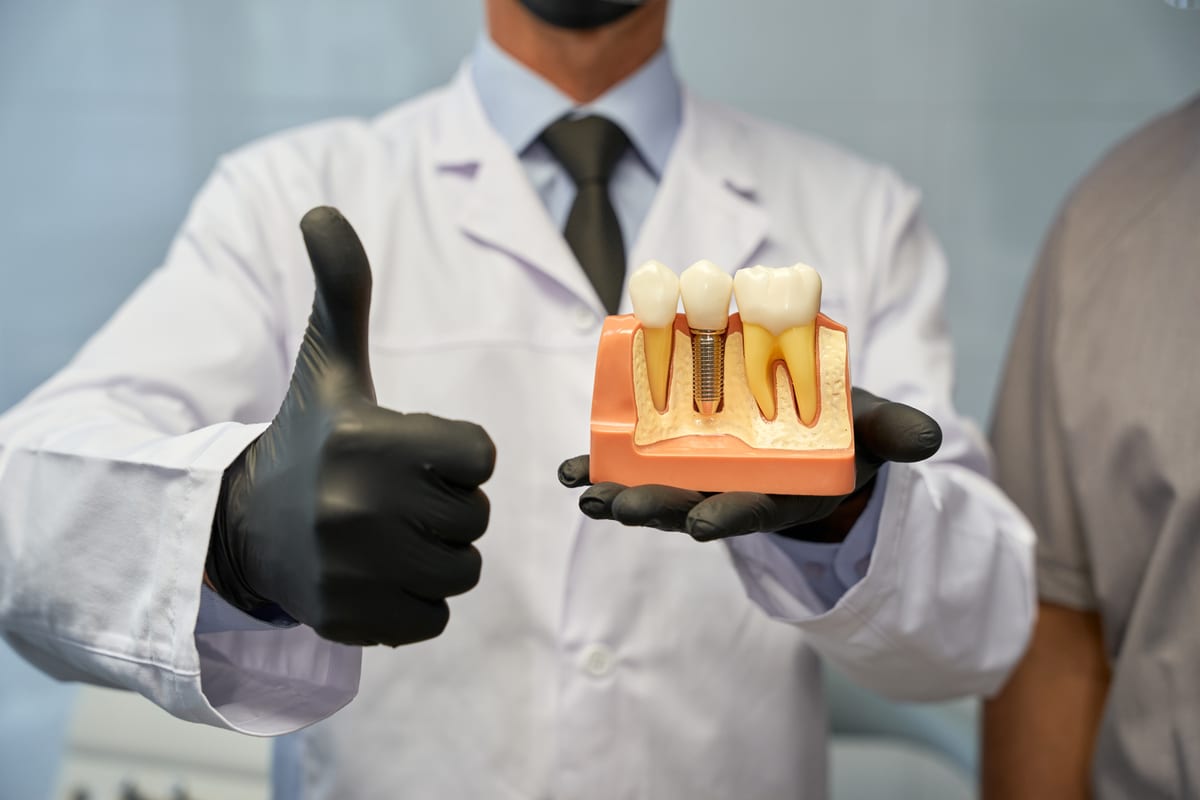
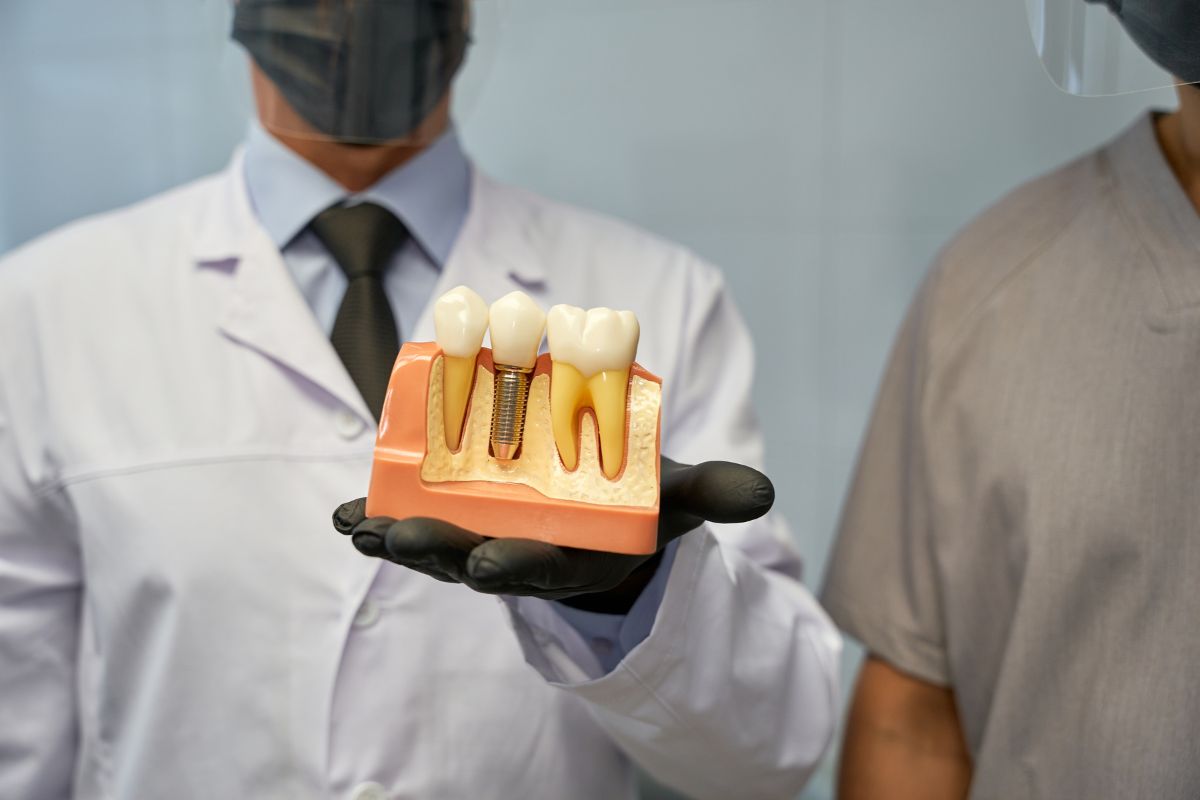
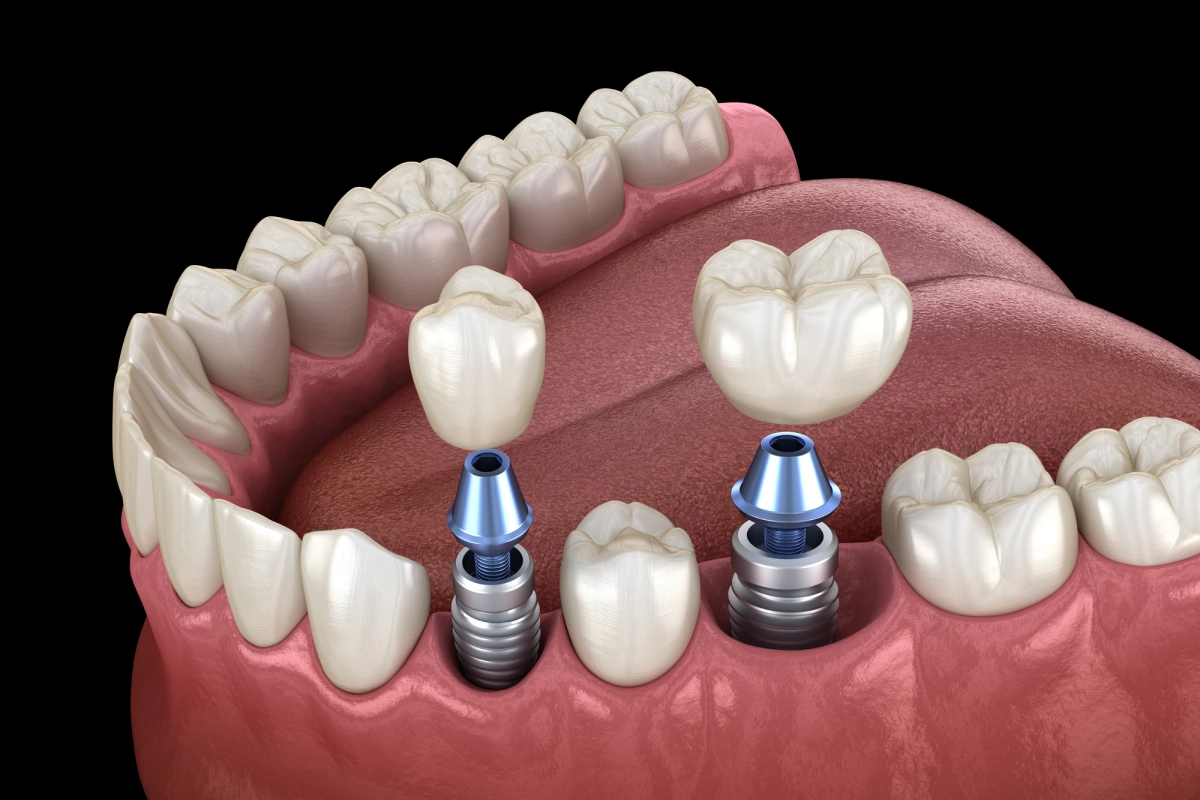
Dental implants act as artificial tooth roots that are placed into the jawbone. Once the implant fuses with the bone, it provides a stable base for a dental crown.
When two neighboring teeth are missing, a dentist can often place two implants side by side. Each implant supports its own crown, creating a natural-looking and fully functional replacement.
This approach offers several benefits. Each tooth is supported independently, which improves chewing strength and helps maintain the natural structure of the surrounding teeth. Careful placement also helps preserve the jawbone and prevents shifting of nearby teeth.
When Two Side-by-Side Implants Are Recommended
Dentists typically recommend two implants together when:
- Two neighboring teeth are missing or damaged beyond repair
- Adjacent teeth are healthy and should remain untouched
- Jawbone density can support separate posts
- A bridge would place stress on surrounding teeth
When these conditions are present, placing two implants can provide a stable and long-lasting solution that closely mimics natural teeth.
Factors That Determine Eligibility
Not every patient automatically qualifies for adjacent implants. Several oral health conditions influence candidacy.
- Bone Structure: Adequate bone thickness is essential. If the bone has shrunk after tooth loss, grafting may be required.
- Spacing Precision: Implants need enough distance between them to maintain healthy bone and gum tissue.
- Gum Health: Healthy gums reduce infection risk and support long-term stability.
Bite Force Distribution: Your dentist evaluates how your upper and lower teeth meet to prevent excessive pressure on implants.
A thorough examination, including digital imaging, helps determine whether two adjacent implants are the right option for your teeth.
Benefits of Choosing Two Implants Instead of Other Options
When conditions allow, placing two artificial tooth roots rather than using a bridge offers important advantages:
- Preserves natural neighboring teeth
- Stimulates the jawbone and prevents shrinkage
- Provides a stronger bite force
- Creates a lifelike appearance
- Offers independent tooth support
Because implants function similarly to natural tooth roots, they provide a stable and long-lasting solution for tooth replacement.
Can One Implant Support Two Teeth?
In certain situations, a dentist may recommend a single implant that supports a two-tooth bridge. This option may be used when there is limited space or insufficient bone to support two separate implants.
However, when conditions allow for two implants, many dentists prefer this approach because it distributes biting pressure more evenly and provides greater stability over time. Your dentist will carefully evaluate your oral anatomy before recommending the most suitable treatment plan.
What to Expect During Healing
The recovery process for two implants placed side by side is generally similar to that for a single implant.
Most patients experience mild swelling or tenderness during the first few days. These symptoms usually improve quickly with proper care.
Typical healing stages include:
- First week: gums begin to heal around the implant site
- Weeks two to four: the bone starts stabilizing around the implants
- Three to six months: the implants fully integrate with the jawbone
Following your dentist’s aftercare instructions plays an important role in successful healing. Maintaining good oral hygiene and attending follow-up visits ensures the implants remain healthy and stable.
Why Patients Choose Implants for Multiple Missing Teeth
People who lose two adjacent teeth often want a replacement that feels natural and reliable. Removable appliances may shift or feel bulky, which can make eating and speaking uncomfortable.
Dental implants remain securely fixed in place. This allows patients to chew confidently, speak clearly, and smile without worrying about movement or discomfort.
Implants also help maintain jawbone strength by stimulating the bone in the same way natural tooth roots do. With proper care and regular dental visits, implants can last for many years and provide a dependable solution for missing teeth.
Experience Personalized Implant Care in Escondido
Replacing two adjacent missing teeth is a common procedure in modern dentistry, and dental implants often provide the most natural and stable solution. With careful planning and advanced techniques, two implants can restore the strength, appearance, and balance of your smile.
At Escondido Family Dental Care & Specialty Center, Dr. Raza and team focus on creating personalized treatment plans designed to restore both oral health and confidence. Every patient receives a thorough evaluation to determine the best approach for long-lasting results.
If you are missing one or more teeth and would like to learn about your treatment options, visit our dental office in Escondido to explore how modern implant dentistry can help you regain a complete and confident smile.
FAQs About Adjacent Dental Implants
Can two dental implants be placed next to each other safely?
Yes. When the jawbone has adequate space and density, two implants can be placed side by side safely. Proper planning and imaging help ensure successful placement.
Is it better to get two implants instead of a bridge?
Two implants often provide stronger and more independent support than a bridge. They also help preserve surrounding teeth and maintain jawbone health.
How long does it take for adjacent implants to heal?
Initial gum healing usually takes about one to two weeks. Complete bone integration typically takes three to six months.
Do adjacent implants look natural?
Yes. Custom dental crowns are designed to match the shape and color of your natural teeth, so they blend seamlessly into your smile.
Is getting two implants more uncomfortable than one?
Most patients experience similar levels of discomfort for one or multiple implants. Modern techniques and anesthesia make the procedure comfortable.
What happens if there is not enough bone for two implants?
If the jawbone is too thin or weak, bone grafting may be recommended before implant placement to create a stable foundation.
How long do dental implants last?
With proper care and regular dental visits, dental implants can last for decades while maintaining strength and function.
Recent Posts

Knocked-Out Tooth: What To Do In The First 30 Minutes
A sudden fall, sports injury, or even biting into something unexpectedly hard can knock out a tooth in seconds. In that moment, panic is completely natural. What truly matters, however, is how you respond in the first few minutes. Acting quickly and correctly can significantly improve the chances of saving your tooth.When a tooth is…

How To Maintain Oral Hygiene With Invisalign Aligners
Invisalign is a popular option for those seeking to straighten their teeth discreetly. However, maintaining proper oral hygiene during treatment can be challenging for many patients. The aligners are removable, so you can clean your teeth and your aligners. However, you must stay diligent with your oral care routine to avoid plaque buildup, cavities, and…