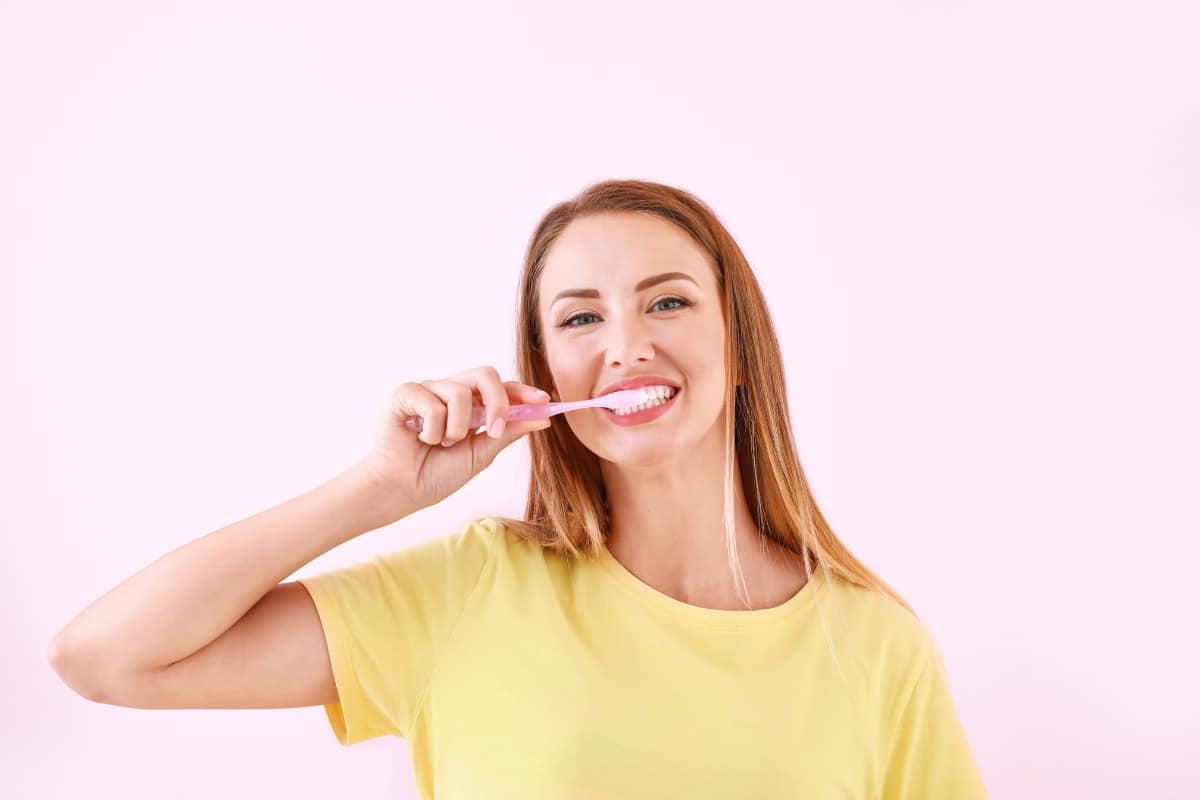
Multitasking feels productive. You’re rushing through your morning—phone in one hand, coffee brewing, toothbrush in your mouth. Sound familiar? Holding your toothbrush while replying to emails or packing lunch may feel like a time-saver, but is it helping your oral health?
Let’s explain why this habit may be more harmful than helpful—and what to do instead.
The Myth of “The Longer, The Better”
Many people believe brushing longer equals cleaner teeth. That’s not always true. There’s a science behind proper toothbrush timing.
Overbrushing can damage your enamel and irritate your gums. If your brush stays in your mouth while doing other tasks, you may not be brushing actively, just letting it sit there. That leads to gum pressure and possible tissue wear without any cleaning benefit.
What Happens When You Hold the Brush?
Holding your toothbrush in your mouth for long periods without motion isn’t effective. It’s not cleaning anything. Worse, it could cause accidental gum trauma or jaw tension.
Multitasking while brushing reduces focus. Without proper attention, you’re likely missing key areas of your mouth. That means plaque stays behind, increasing your risk for decay and bad breath.
The Ideal Brushing Routine
So, for toothbrush use, how long should it be?
The American Dental Association recommends brushing for two full minutes, twice daily. That’s it.
Not ten minutes. Not twenty. Just two minutes of intentional, gentle brushing with a soft-bristled toothbrush. That’s the perfect toothbrush usage time to clean your teeth without harming them.
Consider setting a timer or using an electric toothbrush with a built-in timer to make it easy.
Why Multitasking Misses the Mark
Brushing should be your primary focus during those two minutes. Distracted brushing affects both technique and consistency. You might apply uneven pressure or forget to brush the back teeth. You could even accidentally injure your cheek or gums.
Instead of multitasking, treat brushing as a mindful habit. Use the time to check in with your oral health—notice if anything feels sensitive or sore. That awareness is vital for the early detection of dental issues.
How Long Should a Toothbrush Be Used?
Another common question is how long a toothbrush should be used before replacing it.
Most dentists recommend swapping your toothbrush every three months. If the bristles are frayed, replace them sooner. Old, worn-out bristles cannot clean teeth properly and may harbor bacteria.
Also, store your toothbrush upright and allow it to air dry. Avoid keeping it in a closed container, which promotes bacterial growth.
A Word from Your Dentist
If you’re unsure about brushing habits, speak with your dental provider. A professional can evaluate your technique and make personalized suggestions.
At your next visit to a dentist in Escondido, ask for a brushing demo or product recommendations. Simple changes to your daily routine could significantly improve your oral health.
Make Every Brush Count
Multitasking while brushing your teeth may seem efficient—but it often leads to more problems than benefits. Brushing isn’t about how long the brush stays in your mouth. It’s about brushing right for two focused minutes.
So ditch the distractions and give those two minutes your full attention. Your teeth will thank you—and so will your dentist.