For many people, coffee is an essential part of the morning routine. However, enjoying several cups throughout the day can gradually affect the appearance of your smile. Teeth may begin to develop yellow or brown discoloration, making them look dull even when you maintain a regular brushing routine.
Coffee contains compounds called tannins, which allow colored substances to attach to tooth enamel. Over time, repeated exposure can leave noticeable stains. The frequency of coffee consumption, oral hygiene habits, and natural enamel characteristics can all influence how quickly discoloration develops.
Fortunately, you don’t necessarily have to stop drinking coffee to maintain a brighter smile. A few changes to your daily routine, combined with appropriate whitening treatments, can help reduce discoloration and prevent new stains from forming.
If coffee stains are affecting your confidence, understanding your whitening options can help you make informed decisions about your dental care. Here are six practical ways to address coffee-related tooth discoloration.
Maintain a Consistent Brushing and Flossing Routine
Good oral hygiene is one of the simplest ways to manage surface stains. Coffee pigments can collect on plaque and debris that remain on your teeth. When these deposits aren’t removed regularly, discoloration can become more noticeable.
Brush twice daily for two minutes using a soft-bristled toothbrush and fluoride toothpaste. Floss once a day to clean the spaces between your teeth where your toothbrush cannot reach effectively.
You can also consider a whitening toothpaste with the ADA Seal of Acceptance. These products can help remove certain surface stains when used as directed. However, they won’t necessarily change the natural color of your teeth or remove deeper discoloration.
Choose Whitening Products With Care
Whitening toothpaste and other over-the-counter products can help improve the appearance of coffee-stained teeth. Some contain gentle polishing ingredients that remove surface discoloration, while others use peroxide-based ingredients to lighten certain stains.
Read the product instructions before incorporating a whitening treatment into your routine. Using multiple whitening products simultaneously or applying them more frequently than recommended may increase tooth sensitivity and irritate your gums.
If you already experience sensitivity, speak with your dentist before trying a new whitening product. They can help you select an option that suits your enamel condition and oral health needs.
Be Careful With Baking Soda Remedies
Baking soda is often mentioned as a household solution for stained teeth. Its mild abrasive properties can help remove some surface deposits, which may make teeth appear cleaner.
However, preparing homemade whitening mixtures without understanding their effects can create problems. Baking soda alone does not bleach the natural color of teeth, and aggressive brushing can gradually damage enamel or irritate your gums.
Instead of experimenting with abrasive homemade treatments, consider using a professionally formulated toothpaste designed for stain removal. If you prefer a baking soda-based product, choose one made specifically for oral hygiene and follow its directions.
Avoid Acidic Home Whitening Treatments
Apple cider vinegar and other acidic ingredients are sometimes promoted as natural teeth-whitening solutions. Although acids may break down certain deposits, they can also soften and weaken tooth enamel.
Repeated exposure to acidic substances can increase sensitivity and make teeth more vulnerable to future discoloration. This means a remedy intended to brighten your smile could eventually create additional dental problems.
It’s best to avoid using vinegar, lemon juice, or similar acidic ingredients as homemade whitening treatments. Choose products specifically formulated for teeth whitening instead.
Explore Professional Teeth Whitening
When everyday oral care and store-bought products aren’t delivering the results you want, professional whitening may be worth considering. Dental professionals can evaluate the type of discoloration affecting your teeth and recommend an appropriate treatment.
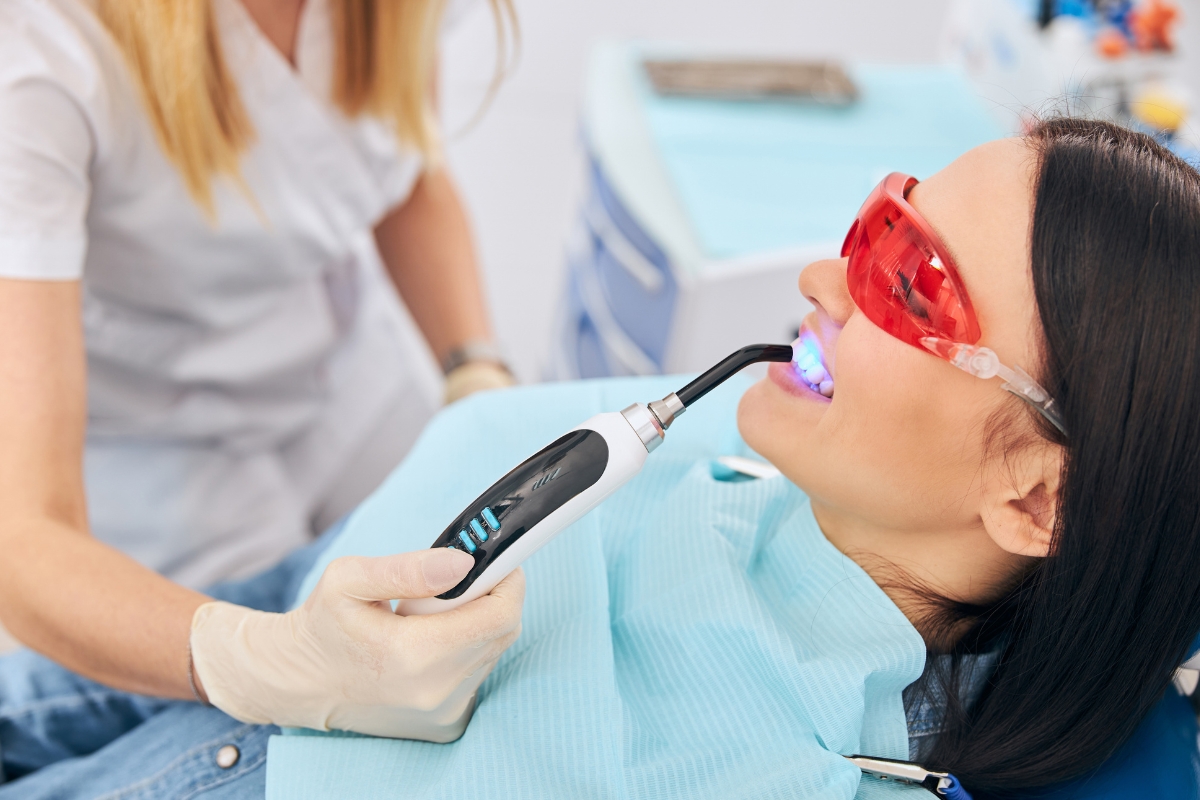
Professional whitening generally uses carefully selected peroxide-based products to break down stains within the tooth structure. Depending on your needs, treatment may involve an in-office procedure or customized take-home whitening trays.
For anyone considering treatment from a dentist in Escondido, a dental consultation can help determine whether coffee stains are the main reason behind the discoloration. Your dentist can also check for cavities, existing restorations, enamel concerns, and other issues before recommending whitening.
Professional treatment may be particularly helpful when stains have become more noticeable despite consistent oral hygiene. However, whitening does not change the color of crowns, veneers, or fillings, so your dentist should consider existing dental work when planning treatment.
Adjust Your Coffee Habits to Prevent New Stains
Removing existing discoloration is only part of maintaining a brighter smile. Your everyday habits also influence whether new stains develop.
You can continue enjoying coffee while making a few simple adjustments:
- Drink water afterward: Rinse your mouth with plain water after finishing coffee to help wash away leftover pigments.
- Avoid sipping throughout the day: Drinking coffee continuously exposes your teeth to staining compounds for longer periods.
- Consider adding milk: Milk may reduce the concentration of some staining compounds in your coffee, although it won’t eliminate staining.
- Use a straw when practical: A straw may reduce contact between beverages and your front teeth, particularly with iced coffee.
- Eat a balanced diet: Include fresh fruits and vegetables as part of a healthy eating routine rather than relying on them to scrub away stains.
- Wait before brushing: If you’ve consumed an acidic drink, wait approximately 30 minutes before brushing to avoid damaging temporarily softened enamel.
These small changes can help reduce repeated exposure to staining substances without requiring you to give up your favorite beverage.
Other Factors That Can Make Teeth Look Yellow
Coffee isn’t the only reason teeth lose their brightness. Several other factors can contribute to discoloration, including tea, red wine, dark-colored sodas, tobacco use, aging, and certain medications.
Sometimes, yellow teeth may also result from changes within the tooth rather than surface staining. Enamel naturally becomes thinner with age, allowing the darker dentin underneath to show through.
Understanding the source of discoloration is important because different types of stains respond to different treatments. A professional dental evaluation can help identify the cause and prevent you from spending money on products that may not address the problem.
Keep Your Smile Bright Without Giving Up Coffee
You don’t have to choose between enjoying your daily coffee and feeling confident about your smile. Consistent oral hygiene, sensible beverage habits, and appropriate whitening products can all help manage coffee-related discoloration.
However, avoid harsh DIY remedies that promise instant results. Protecting your enamel should always come before achieving a brighter appearance. If stains remain noticeable, professional whitening may provide a more suitable solution.
If coffee stains are keeping your smile from looking its best, schedule an appointment with Escondido Family Dental Care & Specialty Center to discuss your teeth whitening options and find an approach that suits your smile.
Frequently Asked Questions
How long does it take for coffee stains to disappear from teeth?
The timeframe depends on how severe the discoloration is and whether the stains affect the enamel surface or deeper tooth structure. Surface stains may improve with regular brushing and whitening toothpaste, while deeper discoloration may require professional treatment.
Can I prevent coffee stains without giving up coffee?
Yes. Rinse your mouth with water after drinking coffee, avoid sipping it continuously, maintain good oral hygiene, and schedule regular dental cleanings. These habits can help reduce staining over time.
Does whitening toothpaste remove old coffee stains?
Whitening toothpaste can help remove certain surface stains with regular use. However, it may not be effective against deep discoloration. Your dentist can recommend a more appropriate treatment if stains remain.
Is baking soda safe for removing coffee stains?
Baking soda has mild abrasive properties, but aggressive or frequent use of homemade mixtures may irritate your gums or damage tooth surfaces. A toothpaste formulated for stain removal is generally a better choice.
Can professional teeth whitening remove stubborn coffee stains?
Professional whitening can lighten many types of coffee-related discoloration. Your dentist will first evaluate your teeth to determine whether whitening is suitable and which approach is most appropriate.
Should I brush immediately after drinking coffee?
It’s better to rinse your mouth with water first. If you’ve also consumed an acidic beverage, wait approximately 30 minutes before brushing to protect your enamel.