Sleep plays a vital role in maintaining overall health, and your oral health is no exception. While most people associate good dental hygiene with brushing and flossing, few realize how the quality of their sleep can directly affect their teeth and gums. Poor sleep doesn’t just leave you tired—it can also disrupt the body’s ability to repair tissue, regulate hormones, and fight oral infections. Understanding the scientific link between sleep and oral health can help you protect your smile from hidden problems that may arise during your nightly rest.
How Sleep Quality Affects Oral Health
A good night’s sleep supports a healthy immune system, tissue regeneration, and balanced saliva flow — all of which are essential for oral health. When sleep patterns are irregular, it can trigger inflammation, increase the risk of gum disease, and lead to dry mouth, which promotes bacterial growth.
The Role of Sleep in the Body’s Healing and Immune Function
During deep sleep, your body releases growth hormones that aid in cell repair, including the soft tissues in your mouth. Consistent lack of sleep weakens the immune response, making your gums more prone to infections and slowing down healing after dental treatments.
How Poor Sleep Increases the Risk of Gum Disease
Research shows that people who sleep less than six hours a night have a higher risk of developing periodontal disease. Sleep deprivation raises cortisol levels (the stress hormone), which can increase inflammation in the gums and weaken the body’s natural defense against harmful bacteria.
The Impact of Sleep Deprivation on Saliva Production and Dry Mouth
Saliva helps neutralize acids and wash away food particles. When you don’t get enough sleep, your saliva flow decreases, leading to a dry mouth — a perfect environment for cavities, bad breath, and gum irritation to thrive.
Common Sleep Disorders That Harm Oral Health
Sleep disorders often have a direct impact on oral well-being. From clenching your jaw to breathing through your mouth, these nighttime habits can quietly harm your teeth over time. If you’ve been struggling with sleep disturbances, it may be time to discuss them with an experienced dentist in Escondido to prevent further damage.
Sleep Apnea and Its Link to Teeth Grinding (Bruxism)
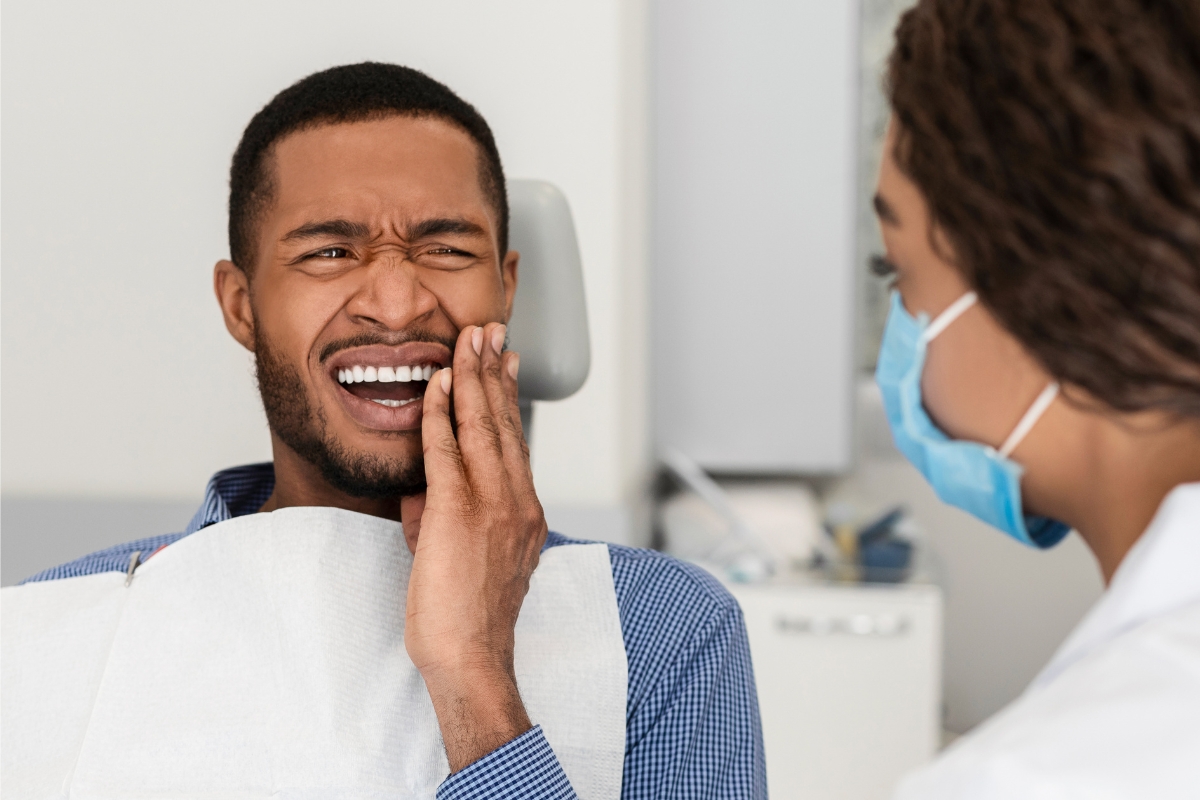
People with sleep apnea often experience bruxism — unconscious teeth grinding that wears down enamel and causes jaw pain. This can lead to cracked teeth, headaches, and even temporomandibular joint (TMJ) disorders.
Snoring and Dry Mouth – A Hidden Dental Concern
Snoring and mouth breathing reduce saliva flow, leaving your mouth dry throughout the night. This dryness allows bacteria to multiply, causing bad breath and increasing the risk of cavities.
How Nighttime Mouth Breathing Affects Tooth Enamel and Gums
Breathing through your mouth while sleeping exposes your teeth to more air and less saliva, which can erode enamel over time. Chronic mouth breathing is also linked to gum inflammation and gingivitis.
Enamel Erosion and Acid Reflux
Sleep-related acid reflux (GERD) is another condition that can damage your teeth. When stomach acid rises during sleep, it weakens tooth enamel and can cause sensitivity, yellowing, or decay if left untreated.
Tips to Improve Both Sleep and Oral Health
Better sleep and a healthier smile go hand in hand. By making small but consistent changes to your routine, you can strengthen both your sleep quality and dental wellness. If you’re looking for a dentist near you, these proactive steps are a great place to start.
Healthy Nighttime Oral Hygiene Habits
Brush and floss before bed, and avoid eating or drinking anything (except water) afterward. Consider using a fluoride mouthwash to strengthen enamel and prevent bacteria from thriving overnight.
Diet and Lifestyle Changes for Better Sleep and Stronger Teeth
Reduce caffeine and sugar intake, especially in the evening. Stay hydrated throughout the day, as dehydration can lead to both dry mouth and restless sleep. A balanced diet rich in calcium and vitamin D supports strong teeth and bones.
When to Consult a Dentist or Sleep Specialist
If you experience chronic snoring, jaw pain, or frequent dry mouth, consult both a dentist and a sleep specialist. They can work together to identify the root cause and offer treatments such as custom mouthguards, oral appliances for sleep apnea, or dietary guidance.
Conclusion – Rest Well, Smile Better
Quality sleep is more than just rest — it’s a foundation for lasting oral and overall health. By addressing sleep problems early and maintaining consistent oral care, you can protect your teeth, gums, and confidence for years to come.
At Escondido Family Dental Care & Specialty Center in Escondido, CA, our dental experts are here to help you achieve optimal oral wellness through comprehensive care and personalized guidance. Schedule your appointment today to discover how better sleep and better dental health can transform your smile. Call us or book online to take the first step toward a healthier, happier you!
FAQs About the Link Between Sleep and Oral Health
1. How does poor sleep affect oral health?
Lack of sleep weakens your immune system, increasing the risk of gum disease and tooth decay.
2. Can sleep apnea cause dental problems?
Yes, sleep apnea is often linked to teeth grinding (bruxism), dry mouth, and enamel erosion.
3. Why do I wake up with a dry mouth?
Mouth breathing or snoring during sleep can reduce saliva flow, causing dryness and bad breath.
4. Can poor sleep lead to gum disease?
Yes, inadequate sleep raises stress hormones that trigger gum inflammation and infection.
5. How is teeth grinding related to sleep issues?
Bruxism often occurs in people with sleep disorders like sleep apnea or high stress levels.
6. What can I do to protect my teeth while sleeping?
Wearing a custom mouthguard and maintaining a nightly brushing routine can protect your teeth.
7. When should I see a dentist about sleep-related oral issues?
If you notice jaw pain, dry mouth, or worn-down teeth, consult a dentist or sleep specialist promptly.