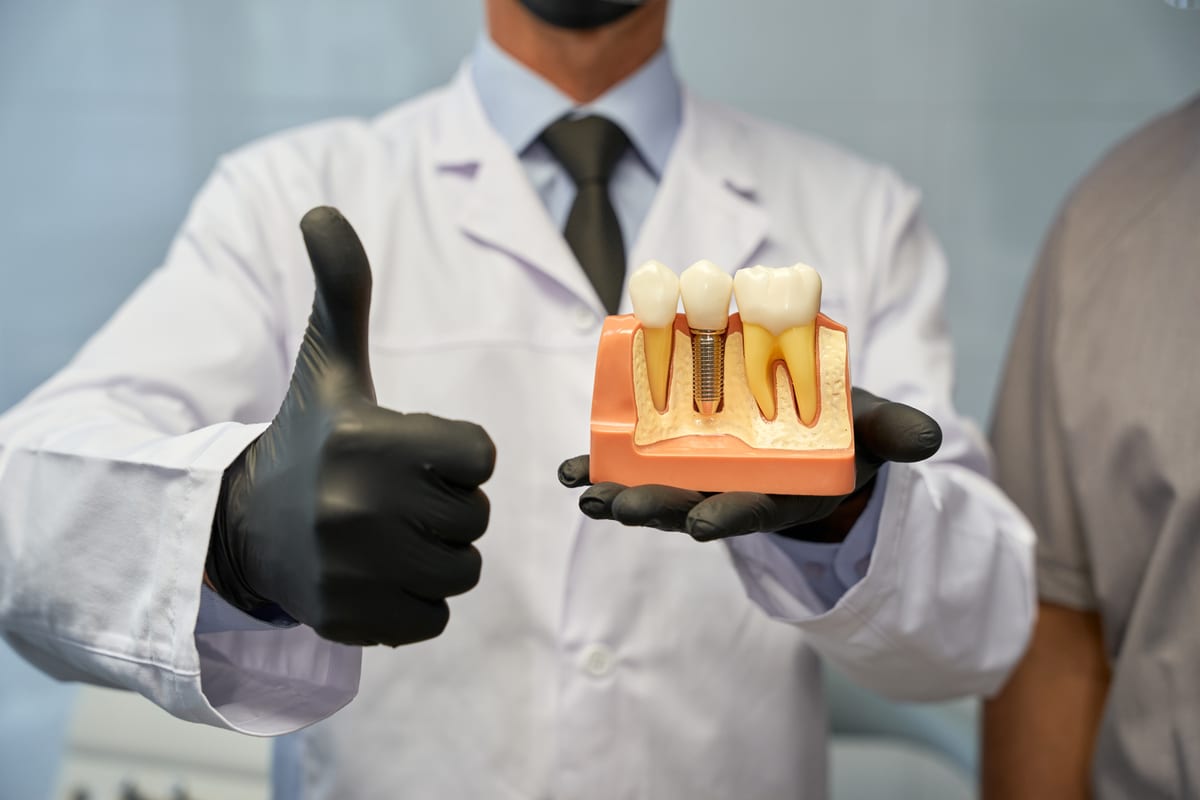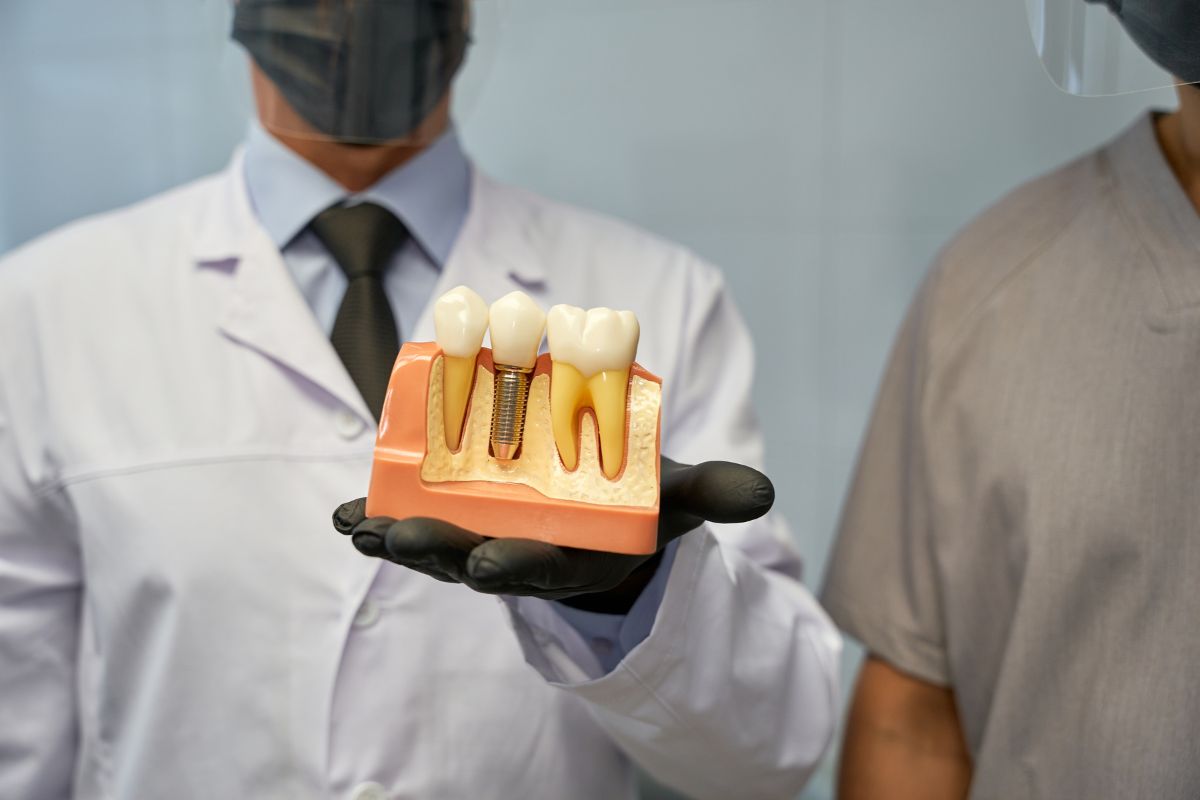
Most people tend to think of a dental implant as a permanent solution for tooth loss. However, while this is true in most cases, some dental implants do fail. Luckily, the failure risk is fairly low — a study published in 2017 in the Journal of Dentistry found that the rate of early failure of dental implants was just under 7%.
Late implant failure is more difficult to track, but research published in Clinical Implant Dentistry and Related Research estimates that 5% to 10% of dental implants fail in total. While there are preventative measures that dentists and oral surgeons can take to prevent implant failure, a failed implant often necessitates removal.
What causes dental implants to fail?
Generally speaking, dental implants fail for two reasons, either persistent infection or a failure to integrate with the jawbone. While infection can cause implant failure years after an implant has been placed, patients are at a greater risk of infection immediately after placement. Thus, some oral surgeons choose to prescribe prophylactic antibiotics in order to lower the infection risk.
In many cases of implant failure, the process of osseointegration (the implant integrating with surrounding bone) is interrupted or never completed. According to a 2013 study published in the Journal of Indian Prosthodontic Society, osseointegration occurs in stages and can take up to 12 weeks in total.
While a successful implant will osseointegrate completely, certain lifestyle choices and pre-existing medical conditions may prevent complete integration. These factors can put patients at risk for implant failure:
- Smoking
- Diabetes that is not well-controlled
- Gum disease
- Low jaw bone density
- Poor oral hygiene
What is involved in dental implant removal?
If a patient’s dental implant needs to be removed, the removal process can take time and usually occurs in a few stages.
Surgical removal
This stage is similar to the initial implant placement, as the patient will need to have the implant removed surgically. An implant that has been in place for two years or more will generally take more time and effort to remove, as will an implant that is very close to nerves or sinus cavities.
Bone grafting
Just as patients often will need a bone graft placed before an implant, a graft may also be necessary after implant removal. This stimulates the body to generate new bone in the jaw, which may be important if the implant failed due to poor bone density or bone loss due to prolonged infection.
Placing a new implant
In most cases, it is possible for a patient to have a new implant placed after healing from the extraction and any bone grafting.
Conclusion
Dental implants are a helpful and functional tooth replacement option for many patients. However, while it is relatively rare, dental implant failure can be an expensive and painful issue to fix. If you are concerned about a possible implant failure, making an appointment with a qualified dental professional is the recommended course of action.
Request an appointment here: https://www.escondidofamilydentistry.com/ or call Escondido Family Dental Care & Specialty Center at (760) 747-7223 for an appointment in our Escondido office.
Check out what others are saying about our services on Yelp: Read our Yelp reviews.
[recent-blogs count=”4″ layout=”horizontal”]