A Complete Guide to Caring for Your Dental Implants
Post Date: February 11, 2026
Dental implant care requires consistent daily hygiene and regular professional checkups, just like your natural teeth. Give extra attention to protecting the implant and surrounding gums. Proper care includes brushing gently with a soft-bristled toothbrush, flossing or using a water flosser around the implant, and choosing a non-abrasive toothpaste to help prevent plaque buildup and gum inflammation. Avoid smoking, tobacco use, excessive alcohol, and sticky foods during the healing phase to reduce the risk of infection and bone loss.
If you are looking for dental implants to restore your oral health, this guide walks you through caring for them at every stage, from daily home care to long-term maintenance.
Immediate Post-Surgery Care
The first few weeks after dental implant surgery are critical. During this time, the implant integrates with the jawbone, and the surrounding gum tissue heals. What you do or don’t do during this phase directly affects long-term success.
Gentle Oral Hygiene
In the early days, keep the surgical area clean without disturbing it. Brush the nearby teeth carefully with a soft-bristled toothbrush, avoiding direct pressure on the implant site until instructed otherwise. Do not use aggressive rinsing or probing in the area.
Once approved, light brushing around the implant can begin. Many patients find this adjustment period easier if they slow down and focus on precision rather than speed.
Rinsing and Infection Prevention
Your dentist may recommend a mild, alcohol-free antimicrobial rinse to reduce bacteria during healing. Avoid commercial mouthwashes that contain alcohol, as they can dry out tissues and delay healing.
Stay well hydrated and follow all post-operative instructions closely.
Foods to Eat and Foods to Avoid
Stick to soft foods such as:
- Soups
- Yogurt
- Eggs
- Smoothies
- Cooked vegetables
Avoid crunchy, sticky, or chewy foods that may place pressure on the implant before it stabilizes. Smoking, tobacco use, and alcohol should also be avoided during healing, as they significantly increase the risk of infection and implant failure.
After Healing Long-Term Care
Once your implant has fully integrated and your gums have healed, the focus shifts from protection to preservation. With proper daily care and professional maintenance, dental implants can last for decades.
Daily Oral Hygiene for Dental Implants
- Brush at least twice daily using a soft-bristle toothbrush.
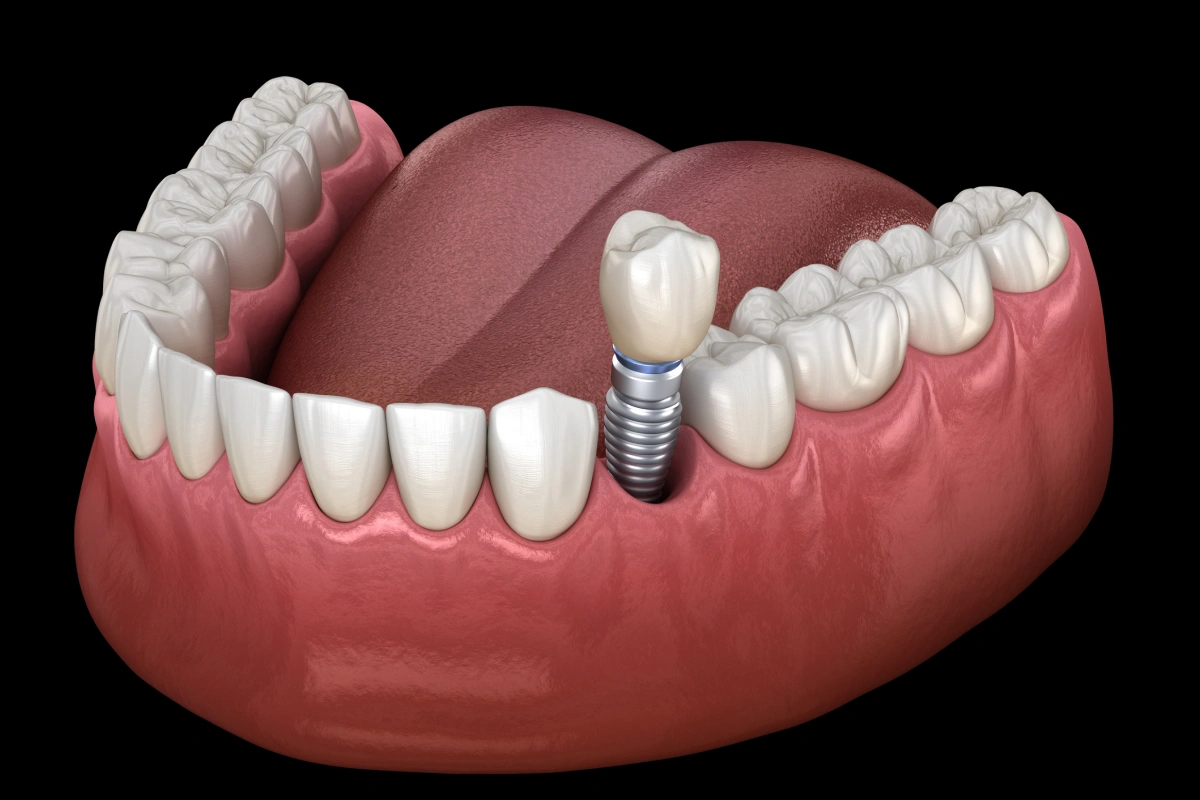
- Clean thoroughly around the implant to prevent plaque buildup.
- Consider using an electric toothbrush if recommended, especially if you have limited dexterity.
Flossing remains essential. Use implant-safe floss, unwaxed floss, interdental brushes, or a water flosser to clean between teeth and around implant restorations. Water flossers are particularly helpful for bridges and implant-supported restorations.
Choose a low-abrasive toothpaste. Avoid harsh whitening formulas that may scratch restorations or irritate gum tissue over time.
Caring for the Gums Around Implants
Healthy gums protect the bone supporting your implant. Pay attention to any signs of redness, bleeding, swelling, or tenderness. These symptoms are not normal and should be evaluated early.
An alcohol-free antimicrobial rinse may be recommended if inflammation develops. Consistent hydration also helps maintain healthy oral tissues in northern Nevada’s high-desert environment.
Eating Habits and Lifestyle Considerations
Once healed, dental implants allow you to enjoy a full diet. Still, some habits are best avoided:
- Chewing ice or candies
- Using teeth to open packaging
- Frequent consumption of very sticky foods
If you grind or clench your teeth, a custom night guard can protect both implants and natural teeth from excessive force.
Smoking and tobacco use remain major risk factors for implant complications, even years after placement. Quitting or significantly reducing use greatly improves long-term outcomes.
Professional Dental Visits Are Not Optional
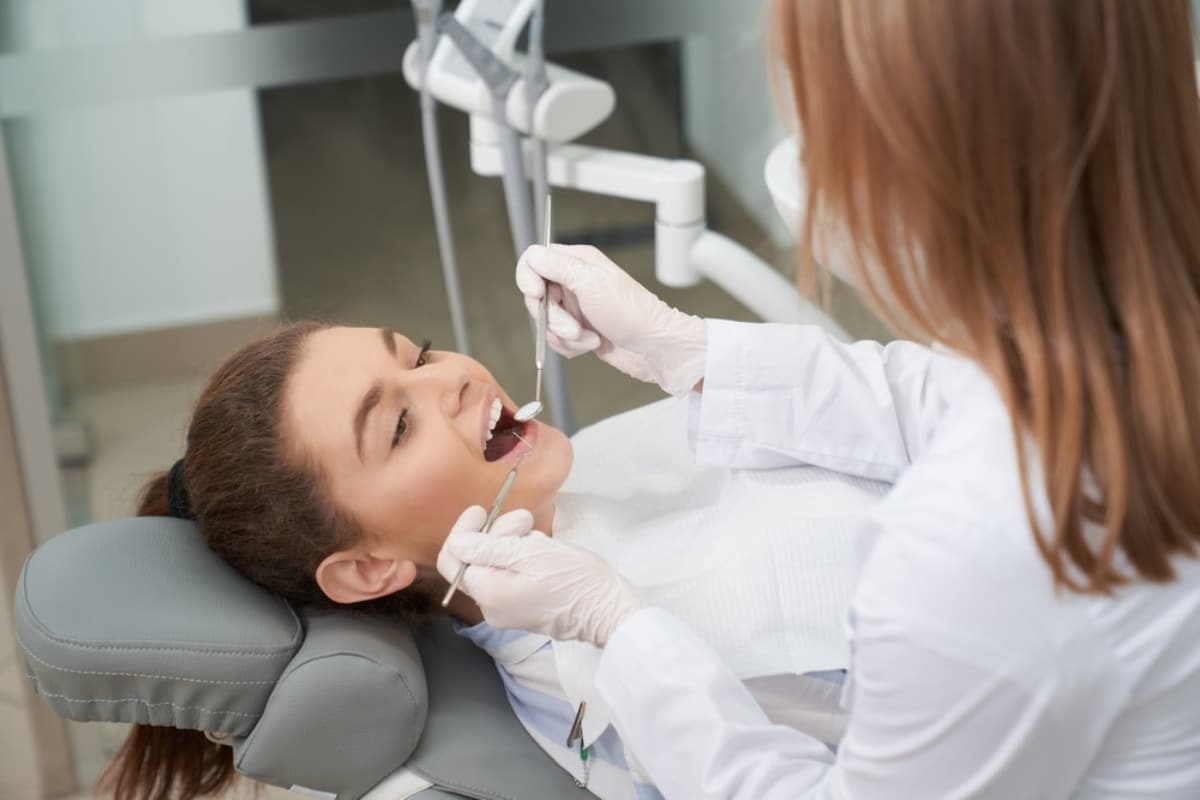
Even with excellent home care, professional maintenance is essential. Regular dental checkups allow us to:
- Monitor bone levels around implants
- Clean hard-to-reach areas safely
- Check bite alignment and wear
- Catch small issues before they become major problems
In a place like Escondido, where many patients travel or split time between cities, it’s especially important not to let routine visits slide.
Want to Restore Your Smile in Escondido?
Whether you’re exploring dental implants for the first time or looking to improve an existing restoration, Escondido Family Dental Care & Specialty Center understands your goals and recommends options that fit your needs.
Contact us at our Escondido office today for your implant consultation and get a strong, healthy smile again.
Frequently Asked Questions
- How often should dental implants be cleaned at home?
Dental implants should be cleaned every day, just like natural teeth. Brush at least twice daily using a soft-bristled toothbrush and clean between teeth with floss, interdental brushes, or a water flosser. Daily plaque removal around the implant and gumline is essential to prevent inflammation and bone loss.
- Can dental implants get infected?
While dental implants themselves do not decay, the surrounding gums and bone can become infected if plaque and bacteria build up. This condition, known as peri-implant disease, can lead to bone loss and implant failure if left untreated. Good oral hygiene and regular professional checkups greatly reduce this risk.
- Are there foods I should avoid with dental implants?
After healing, most patients can eat a normal diet. However, chewing ice, candy, or very sticky foods can damage implant restorations over time. Using your teeth as tools should also be avoided. During the initial healing phase, soft foods are recommended until your dentist confirms it’s safe to resume regular eating.
- How long do dental implants last with proper care?
With consistent daily care and regular professional maintenance, dental implants can last decades. Their longevity depends on oral hygiene, gum health, lifestyle factors such as smoking or teeth grinding, and routine dental visits to monitor the implant and surrounding bone.
- What are the warning signs of implant problems?
Early warning signs of implant complications may include persistent swelling, bleeding while brushing, gum recession around the implant, discomfort when chewing, or a feeling that the implant is loose. While implants themselves cannot decay, the surrounding bone and gum tissue can become compromised. If you notice any unusual symptoms, contact your dentist promptly for evaluation and treatment.
Recent Posts

Knocked-Out Tooth: What To Do In The First 30 Minutes
A sudden fall, sports injury, or even biting into something unexpectedly hard can knock out a tooth in seconds. In that moment, panic is completely natural. What truly matters, however, is how you respond in the first few minutes. Acting quickly and correctly can significantly improve the chances of saving your tooth.When a tooth is…

How To Maintain Oral Hygiene With Invisalign Aligners
Invisalign is a popular option for those seeking to straighten their teeth discreetly. However, maintaining proper oral hygiene during treatment can be challenging for many patients. The aligners are removable, so you can clean your teeth and your aligners. However, you must stay diligent with your oral care routine to avoid plaque buildup, cavities, and…