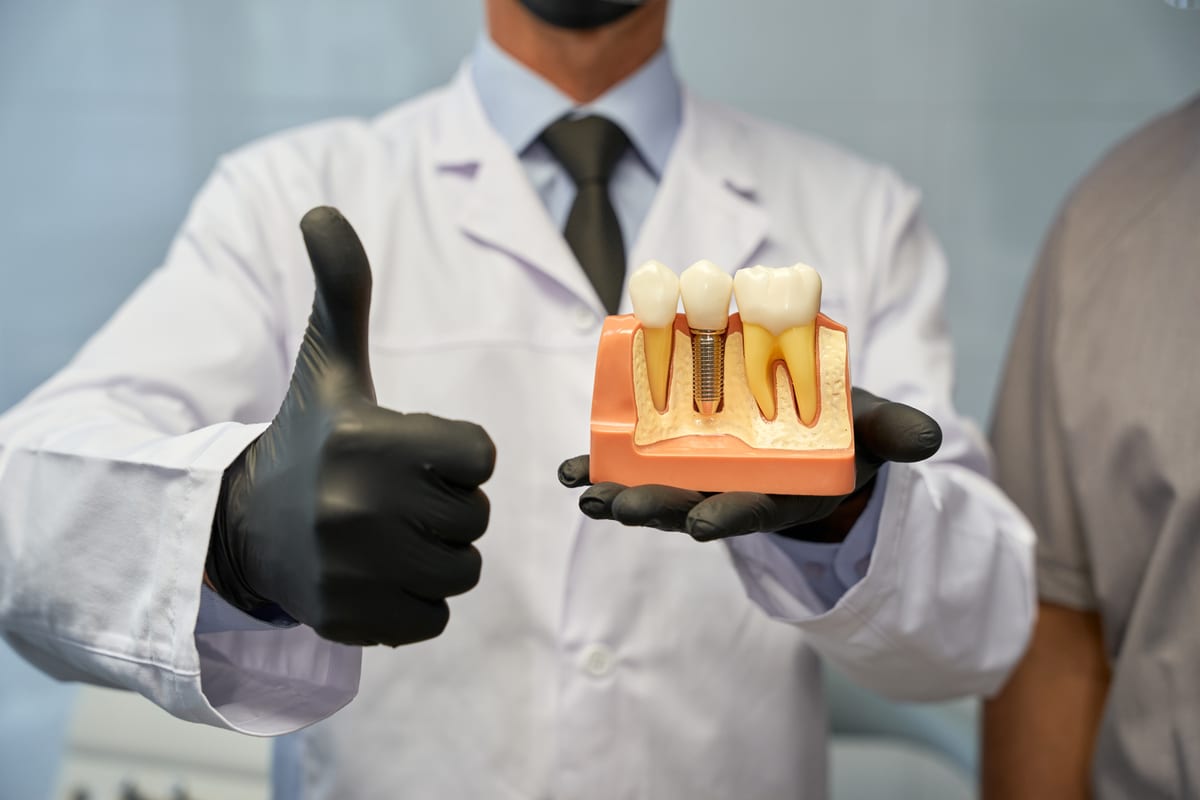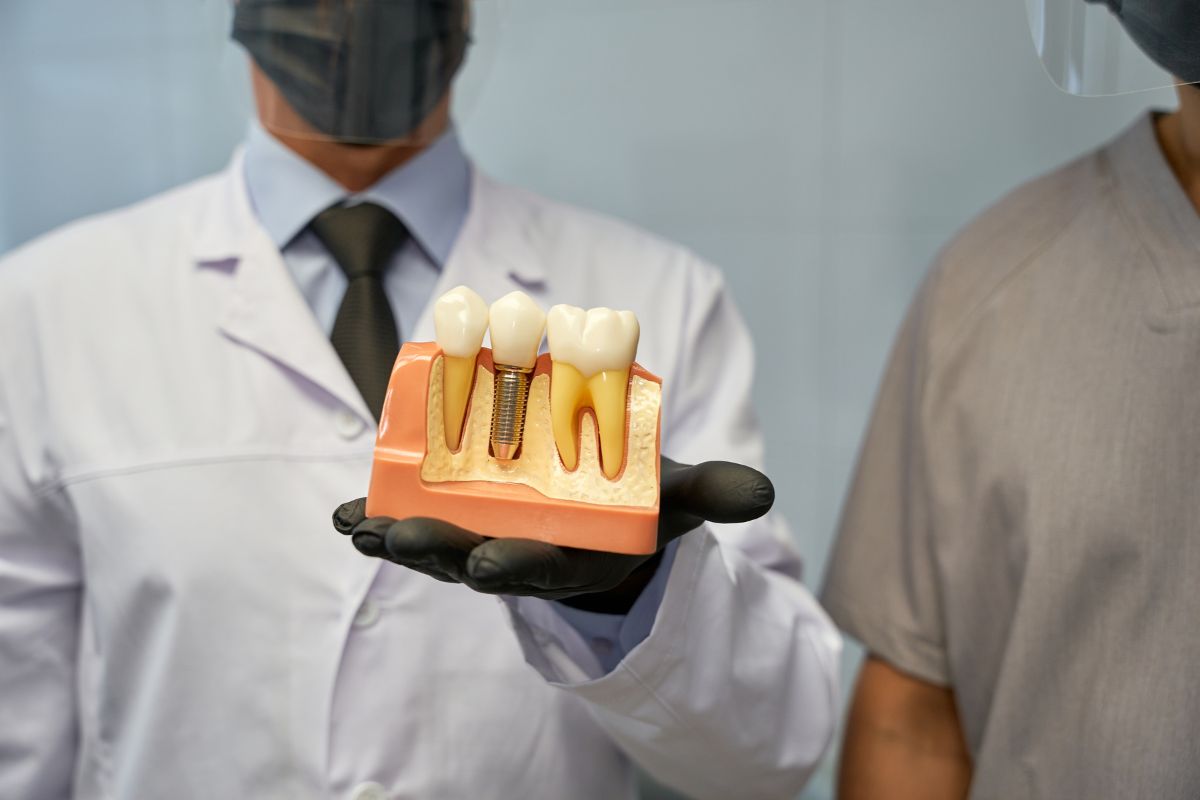
Missing teeth or unsightly gaps in the mouth can be effectively restored or covered with implants, though the dental implant process can take some time. The treatment timeline for traditional implants can take up to a year to be completed, though exact scheduling and completion depend on the condition of the mouth and the healing that takes place between steps. A consultation is needed for an individual patient to get a detailed estimate, but the basic schedule for getting implants generally follows these steps.
The Beginning
The timeline for a dental implant starts with the initial consultation to decide on the restorative option. The choice of an implant is often made after an exam of the mouth reveals that there is significant tooth decay or after tooth loss has occurred. The consultation reveals whether the condition of the mouth is acceptable for the implant procedure, and upon approval, the patient moves into the next phase of the timeline.
Three to Six Months
The exam of the mouth may reveal that pre-treatment surgeries are needed to prepare the patient for an implant. A tooth may need to be extracted to create room for the implant, or a bone may need to be smoothed.
A bone graft is another procedure often scheduled when the jawbone does not have enough material or strength to support an implant. Tooth loss can cause the jawbone to recede, leaving a weak spot that needs to be filled if an implant is to be successful. A bone graft removes pieces of bone from another area of the jaw or body and surgically fuses them to the existing bone in the weak area. Synthetic bone material may also be used, but the healing process is the same.
It can take several months before the bone has healed enough to move on with the next step. Once healing has occurred, the next step is implant surgery. This imbeds the implant post down into the jawbone, making the base for the restoration.
Six Months and On
After the implantation, it typically takes between three to six months for the implant to go through osseointegration. This is the name given to the fusion of the implant post to the jawbone. This healing is very important for placing the abutment. After the fusion has occurred, a visit is needed to expose the head of implant and attach the abutment. This is the piece that connects the crafted tooth crown to the implant.
At least two weeks after the gums have healed from the abutment procedure, impressions are taken of the patient’s teeth and used to craft a natural-looking restoration. A laboratory matches the patient's natural color and tooth shape to create the restoration tooth, a process that can take another two weeks or longer. Once completed, the tooth prosthetic will be attached.
Conclusion
The many steps to getting a dental implant are worth the effort, as the results can bring uniformity and function back to your mouth. The exact timeline depends on the unique dental needs of each patient.
Request an appointment here: https://www.escondidofamilydentistry.com/ or call Escondido Family Dental Care & Specialty Center at (760) 747-7223 for an appointment in our Escondido office.
Check out what others are saying about our dental services on Yelp: Dental Implant in Escondido, CA.
[recent-blogs count=4 layout=”horizontal” category=”dental-implants-cat,dental-implant-candidate-cat,post-op-care-for-dental-implants-cat,the-dental-implant-procedure-cat,dental-implant-surgery-cat,dental-implant-restoration-cat,implant-dentist-cat”]