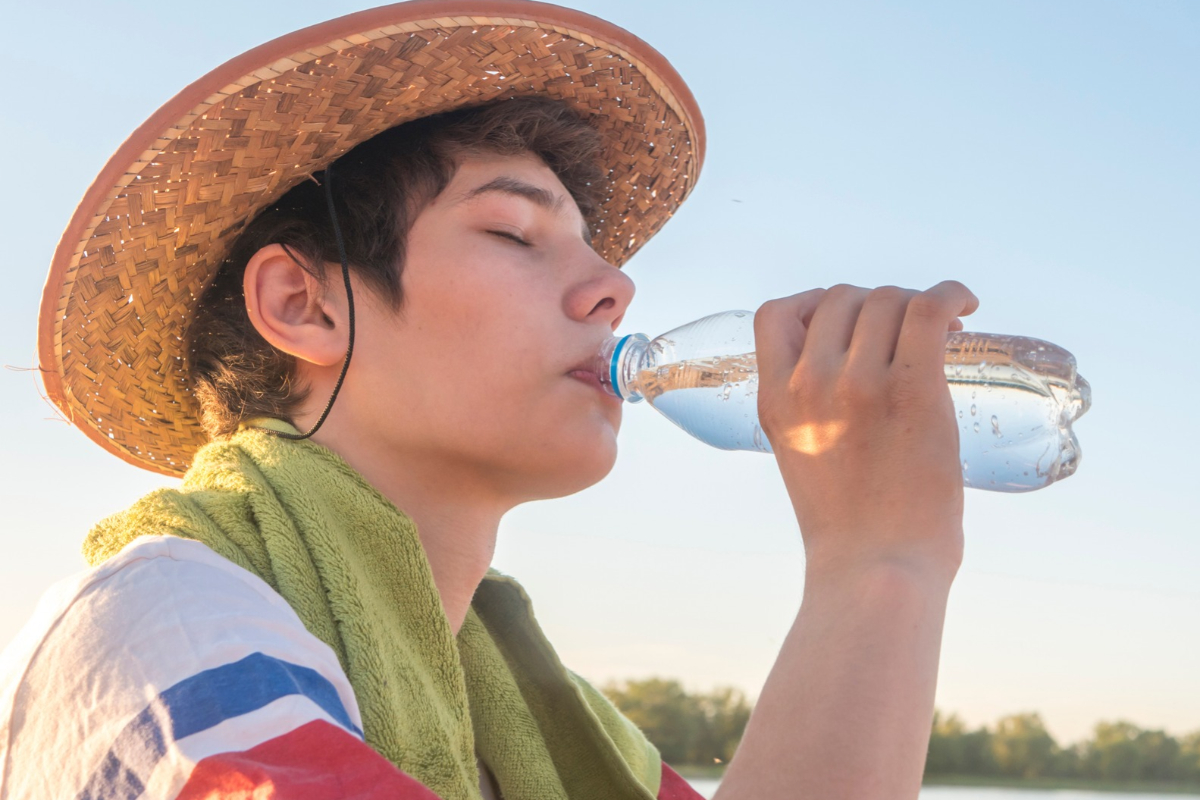
Sparkling water has become a favorite choice for people who enjoy the refreshing sensation of carbonation without the added sugar found in many soft drinks. Its crisp taste and bubbly texture make it an appealing option throughout the day. Whether you drink it with meals or use it as a replacement for soda, sparkling water can be a convenient way to stay hydrated. However, you may wonder whether those bubbles come with unwanted effects on your body or teeth.
The answer depends on how much you drink, which variety you choose, and how your body responds to carbonation. Plain sparkling water is generally safe for most people, but it isn’t completely free of potential drawbacks. Some individuals experience digestive discomfort, while others may need to pay closer attention to its effects on tooth enamel.
Understanding these possible effects can help you make better decisions about your everyday beverage choices. If you regularly drink carbonated beverages and notice increased tooth sensitivity, consulting a dentist in Escondido can help determine whether enamel erosion or another dental concern may be responsible. A dental examination can also help you understand how your drinking habits affect your long-term oral health.
Let’s look at the possible side effects of sparkling water, how much you can comfortably drink, and what you can do to protect your teeth while enjoying it.
What Are the Possible Side Effects of Drinking Sparkling Water?
Although sparkling water offers hydration without the sugar found in traditional soda, carbonation and certain added ingredients may cause problems for some people. Here are a few effects worth understanding.
Bloating and Excess Gas
One of the most common complaints associated with sparkling water is bloating. The carbonation comes from dissolved carbon dioxide, which creates the familiar bubbles when you open a bottle or pour a glass.
When you drink it, some of that gas can accumulate in your digestive system. This may lead to burping, stomach pressure, or a bloated feeling.
People who already experience digestive sensitivity may notice these symptoms more frequently, particularly when consuming large quantities. If sparkling water regularly makes your stomach uncomfortable, try drinking smaller amounts or switching to still water.
Heartburn and Acid Reflux
Carbonated beverages may aggravate acid reflux symptoms in certain individuals. The gas can increase pressure in the stomach and contribute to belching, which may allow stomach contents to move upward into the esophagus.
People with gastroesophageal reflux disease (GERD) may notice more discomfort after drinking sparkling water, although individual reactions vary.
If you experience frequent heartburn, pay attention to whether carbonated drinks make your symptoms worse. Reducing your intake may help you identify whether carbonation is a trigger.
Tooth Enamel Erosion
Your teeth are another important consideration when choosing sparkling water. Carbon dioxide combines with water to form a weak acid called carbonic acid. This gives carbonated water a slightly lower pH than regular water.
Although plain sparkling water is considerably less acidic than many soft drinks, frequent exposure may contribute to enamel erosion over time. The risk can increase with flavored varieties containing additional acids, such as citric acid.
As enamel gradually wears away, your teeth may become more sensitive to cold, heat, and sweet foods. Since enamel does not naturally grow back, protecting it through everyday habits is important.
Misconceptions About Bone Health
You may have heard that carbonated drinks can weaken bones. However, this concern is often associated with certain soft drinks rather than plain sparkling water.
Some cola beverages contain phosphoric acid, and research has explored possible associations between cola consumption and bone health. Plain carbonated water does not contain the same ingredients and has not been shown to reduce bone density.
For stronger bones, focus on getting enough calcium and vitamin D, maintaining regular physical activity, and following a balanced diet.
How Much Sparkling Water Can You Drink Each Day?
There isn’t one fixed daily limit that works for everyone. Your ideal intake depends on your digestive health, dental condition, and personal tolerance.
Start With Moderate Amounts
Most healthy adults can enjoy plain sparkling water as part of their daily fluid intake. If you’re new to drinking it, begin with a glass or two and see how your body responds.
If you experience bloating or discomfort, reduce the amount and drink still water instead. There is no need to force yourself to consume sparkling water if it doesn’t agree with your digestive system.
Consider the Ingredients
Not every sparkling water product has the same ingredients. Some varieties contain natural flavors, sweeteners, added sugars, or acids that can affect your health differently.
When choosing a product, check the nutrition label and look for:
- No added sugar
- No unnecessary artificial sweeteners
- Minimal added acids
- No sugary flavoring ingredients
Plain, unflavored sparkling water is generally a better option for people concerned about dental health.
Protect Your Teeth While Drinking
You don’t necessarily need to give up sparkling water to maintain a healthy smile. A few simple habits can help reduce acid exposure:
- Drink it with meals: Having sparkling water alongside food may reduce how frequently your teeth encounter acidic beverages.
- Avoid sipping throughout the day: Constant exposure gives your enamel less time to recover.
- Rinse with regular water: Swishing plain water after drinking can help clear away residual acids.
- Wait before brushing: Avoid brushing immediately after consuming acidic beverages. Waiting around 30–60 minutes gives your saliva time to help neutralize acids.
- Choose plain varieties: Unflavored options generally contain fewer additional acidic ingredients.
If you already have sensitive teeth or signs of enamel wear, ask your dental professional whether you should adjust your beverage habits.
Do Dentists Recommend Avoiding Sparkling Water?
Most dental professionals do not consider plain sparkling water something you must eliminate from your diet. Instead, they generally recommend being mindful of how frequently you drink it and which varieties you choose.
Here are a few practical habits that can help minimize potential dental concerns.
Choose Unflavored Sparkling Water
Plain sparkling water is typically a better choice than flavored varieties containing citric acid or other added acids. Although it is mildly acidic, it generally poses less risk to enamel than sugary, acidic soft drinks.
Use a Straw When Appropriate
Drinking through a straw may help reduce direct contact between an acidic beverage and your front teeth. However, it does not eliminate acid exposure completely.
Drink It in One Sitting Rather Than All Day
The frequency of acid exposure matters. Slowly sipping sparkling water throughout the day repeatedly exposes your teeth to acidic conditions.
Enjoying it with a meal rather than keeping a bottle beside you all day may help reduce this exposure.
Maintain Regular Dental Checkups
Routine dental visits allow your dentist to identify early signs of enamel erosion, sensitivity, and other oral health concerns.
If your enamel has started wearing down, your dentist can recommend preventive measures based on the condition of your teeth.
Final Thoughts
Sparkling water can be a refreshing and generally healthy alternative to sugary soft drinks. For most people, enjoying plain varieties in moderation does not create significant health concerns. However, carbonation may contribute to bloating or worsen reflux symptoms in some individuals, while frequent exposure to acidic beverages can gradually affect tooth enamel.
The best approach is to understand your body’s response, choose beverages with fewer added ingredients, and maintain good oral hygiene. Small changes, such as drinking sparkling water with meals and rinsing afterward, can help you enjoy your favorite bubbly drink while taking care of your teeth.
If you have noticed tooth sensitivity, enamel changes, or other concerns about your oral health, schedule an appointment with Escondido Family Dental Care & Specialty Center in Escondido, CA, today.
Frequently Asked Questions
Is sparkling water bad for your teeth?
Plain sparkling water is mildly acidic, so frequent exposure may contribute to enamel erosion over time. However, it is generally less harmful to teeth than sugary soft drinks. Choosing unflavored varieties and rinsing with regular water afterward can help reduce potential risks.
Can drinking sparkling water cause bloating?
Yes. The carbon dioxide in sparkling water can introduce additional gas into your digestive system. This may cause burping, stomach pressure, or bloating, particularly if you drink large amounts or have digestive sensitivities.
Is flavored sparkling water worse for your teeth?
Some flavored varieties contain citric acid or other acidic ingredients that can increase the risk of enamel erosion. Always check the ingredient list and consider choosing plain sparkling water if you’re concerned about your teeth.
How much sparkling water is safe to drink daily?
There is no universal daily limit for sparkling water. Most healthy adults can enjoy plain varieties regularly, provided they do not experience digestive discomfort or other issues. Your dental health and individual tolerance should also guide your choices.
Can sparkling water make acid reflux worse?
It can. Carbonation may increase stomach pressure and trigger belching, potentially worsening reflux symptoms in some people. If you have GERD, monitor your symptoms and reduce carbonated beverages if they cause discomfort.
Does sparkling water weaken your bones?
No convincing evidence shows that plain sparkling water weakens bones or reduces bone density. Concerns about bone health are more commonly associated with certain cola beverages rather than plain carbonated water.
Is sparkling water as hydrating as regular water?
Yes. Plain sparkling water provides hydration just like still water. The carbonation does not remove its ability to contribute to your daily fluid intake.
Is sparkling water suitable for children?
Occasional consumption of plain sparkling water is generally fine for children. However, regular water remains the preferred everyday drink because it is nonacidic and does not expose developing teeth to carbonic acid. Sugary and highly acidic flavored varieties are best limited.
Should I brush my teeth immediately after drinking sparkling water?
No. It is better to wait approximately 30–60 minutes after consuming acidic beverages before brushing. Rinse with plain water first, allowing saliva to help neutralize acids and protect your enamel.