Dental implants are widely recognized as one of the most effective ways to replace missing teeth, helping patients restore their smiles, chewing function, and confidence. While implant treatment is highly successful and well-tolerated, some patients may notice temporary changes in their mouth during the healing process, including an unusual metallic taste.
Experiencing a metallic taste after dental implant surgery can be surprising and may raise concerns about whether the implant is causing it. In reality, dental implants themselves are rarely responsible for taste disturbances. More often, the sensation is linked to factors such as healing tissues, medications, changes in oral hygiene, or other temporary conditions in the mouth.
Understanding the potential causes of a metallic taste can help you feel more at ease during recovery. In this blog, we’ll discuss why this sensation may occur, how long it typically lasts, and when it’s a good idea to contact your dentist for further evaluation.
What Is a Metallic Taste in the Mouth?
A metallic taste, medically known as dysgeusia, is a change in taste perception that can cause foods and drinks to taste different than usual. Some people describe the sensation as tasting metal, copper, or iron, or as bitterness, even when they are not eating or drinking anything.
The sensation can range from mild to noticeable and may come and go throughout the day. While it can be frustrating, a metallic taste is often associated with temporary oral or health-related changes rather than a serious problem.
Understanding the Materials Used in Dental Implants
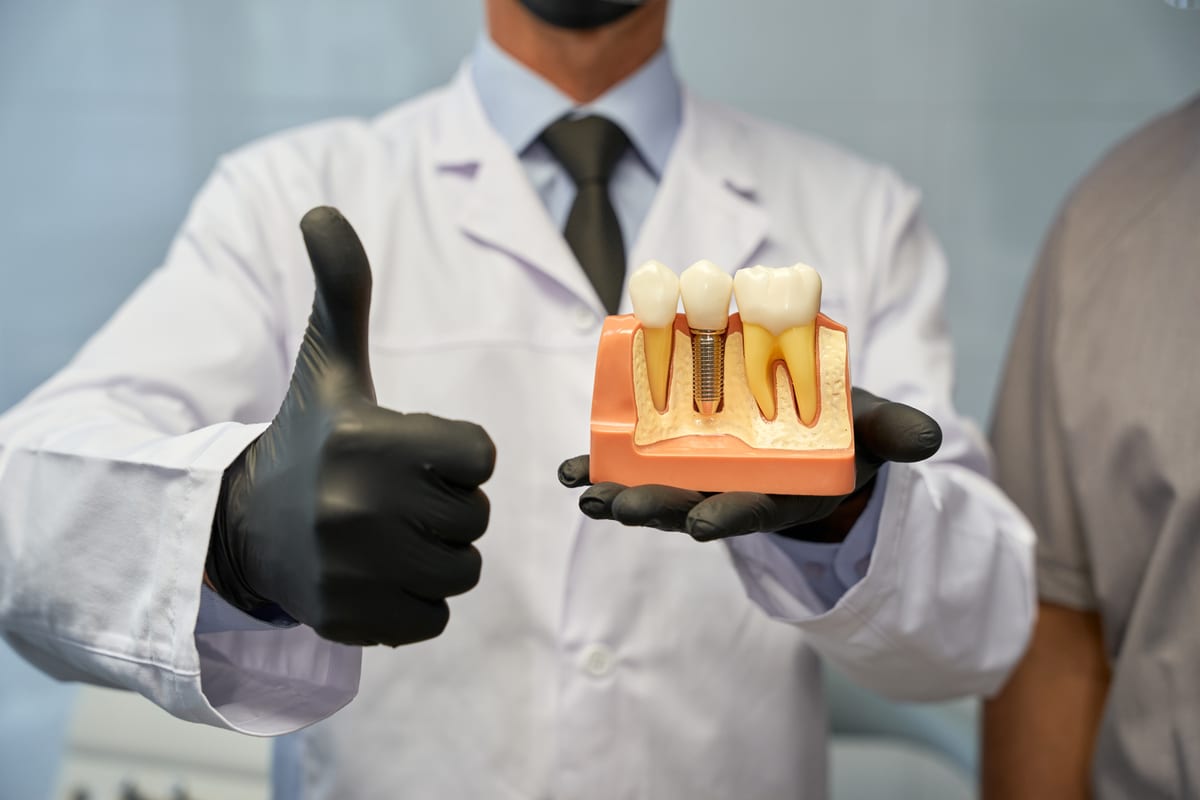
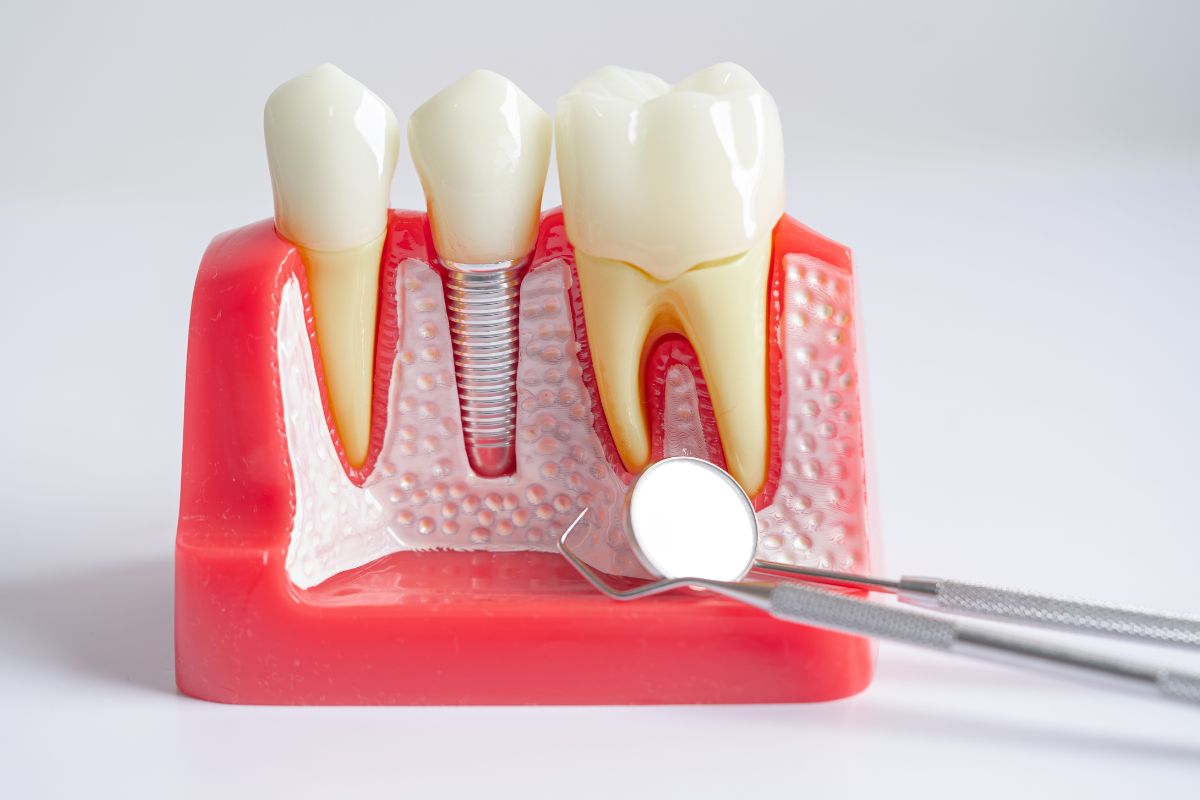
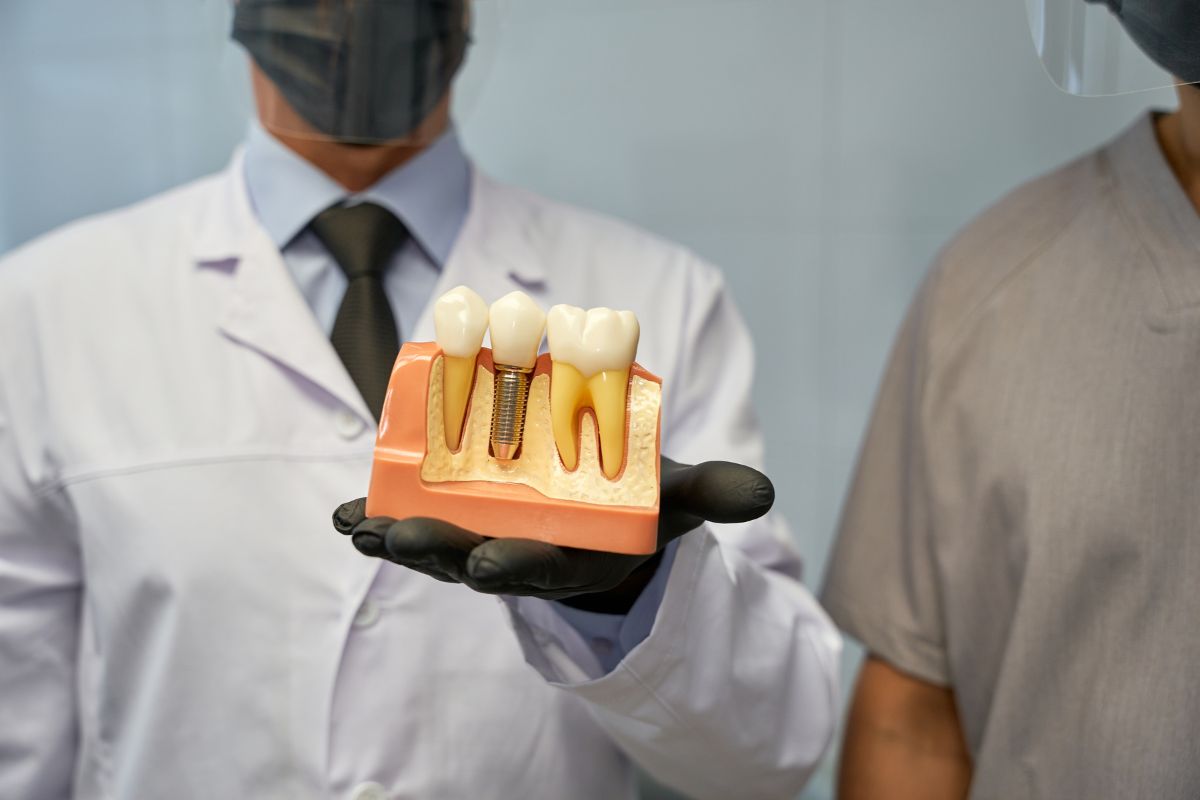
Most dental implants are made from titanium or titanium alloys. Titanium is commonly used in medical and dental procedures because it is highly biocompatible, meaning it integrates naturally with the body and rarely triggers adverse reactions.
Importantly, titanium itself does not typically cause a metallic taste. In fact, the vast majority of patients with dental implants never experience this issue.
If a metallic taste does occur, it is usually due to indirect factors rather than the implant material itself.
Common Reasons You May Notice a Metallic Taste After Implant Surgery
Several factors related to the healing process can temporarily affect taste perception following dental implant placement.
Normal Healing and Tissue Recovery
After implant surgery, your gums and surrounding tissues begin healing immediately. During this period, minor inflammation and small amounts of bleeding are normal and can sometimes affect how your mouth tastes. As healing progresses and the tissues recover, any unusual taste sensations generally improve without additional treatment.
Changes in Oral Hygiene Habits
Many patients are extra cautious when brushing and flossing near a newly placed implant. While this is understandable, avoiding certain areas can sometimes lead to plaque and bacteria accumulating. Certain oral bacteria produce compounds that may alter taste perception and contribute to unpleasant flavors in the mouth. Maintaining good oral hygiene during recovery is important for both implant success and overall comfort.
Medications Following Treatment
Antibiotics, pain relievers, and other medications prescribed after implant surgery can occasionally affect the sense of taste. In addition, certain vitamins and supplements—particularly those containing iron or zinc—may also create a metallic sensation. In these situations, the altered taste is typically related to the medication rather than the implant itself.
Dry Mouth and Reduced Saliva Production
Saliva helps keep the mouth balanced and cleanses away bacteria, food particles, and acids. When saliva production decreases, unusual tastes often become more noticeable. Dry mouth may develop due to medications, dehydration, stress, or temporary changes during recovery. Staying hydrated and following post-operative instructions can often help minimize these symptoms.
Less Common Dental-Related Causes
Although uncommon, there are a few situations in which dental restorations may contribute to a metallic taste.
Interaction Between Different Metals
In rare cases, the presence of different metals in the mouth, such as older fillings along with a dental implant, can create a mild electrical reaction. This may result in a temporary metallic taste.
Although uncommon, this condition is usually straightforward to identify and can be effectively managed with proper dental care.
Sensitivity or Rare Material Reactions
Titanium, the material most commonly used in implants, is highly biocompatible and rarely causes reactions. However, if symptoms such as persistent discomfort, swelling, or unusual taste continue, it’s important to seek evaluation to rule out rare sensitivities.
How Long Does a Metallic Taste Usually Last?
For most patients, a metallic taste after implant surgery is temporary. As the surgical site heals, medications are completed, and oral tissues return to normal, the sensation typically fades. Some individuals notice improvement within a few days, while others may experience taste changes for a couple of weeks.
If the metallic flavor continues well beyond the expected healing period, it may indicate another underlying cause that should be investigated.
When Should You Consult Your Dentist?
While occasional taste changes are usually harmless, you should seek professional advice if you notice:
- A metallic taste that lasts several weeks without improvement
- Swelling, pain, or irritation around the implant area
- Changes in how the implant feels or functions
Early evaluation helps ensure everything is healing properly and provides peace of mind.
Ways to Minimize Taste Disturbances During Recovery
Although a metallic taste is not always preventable, there are several steps that may help reduce the likelihood of experiencing it.
Maintain Excellent Oral Hygiene
Follow your dentist’s instructions regarding brushing, flossing, and cleaning around the implant area. Good oral hygiene helps control bacteria and promotes healthy healing.
Stay Hydrated
Drinking plenty of water supports saliva production and helps keep the mouth clean and comfortable.
Follow Post-Operative Guidelines
Adhering to recovery instructions can minimize inflammation, reduce complications, and support a smoother healing process.
Report Unusual Symptoms Early
If something doesn’t feel right, contacting your dental team early can prevent minor concerns from becoming larger issues.
Restore Your Teeth with Confidence in Escondido
Dental implants are designed to restore your smile, function, and confidence. While a metallic taste may occasionally occur, it is usually temporary and manageable with proper care and guidance. At Escondido Family Dental Care & Specialty Center, we are committed to providing patient-focused care with clear communication at every step. Our team ensures you feel informed, supported, and confident throughout your treatment journey.
If you have questions about dental implants or notice any unusual symptoms, schedule a visit to our Escondido dental office and let us help you maintain a healthy, comfortable smile for the long term.
FAQs About Metallic Taste After Dental Implants
1. Can dental implants cause a metallic taste in the mouth?
Experiencing a metallic taste after dental implant placement is uncommon. When it does occur, it is typically temporary and often related to the healing process, medications, or mild inflammation rather than the implant itself.
2. How long does a metallic taste last after dental implants?
In most cases, any unusual taste resolves within a few days to a couple of weeks as the gums and surrounding tissues heal. If the sensation persists, a dental evaluation is recommended.
3. What causes a metallic taste with dental implants?
Possible causes include minor post-surgical bleeding, temporary inflammation, certain medications, or changes in oral hygiene habits. In rare instances, interactions with other metal restorations in the mouth may contribute.
4. Should I be concerned about a metallic taste?
A short-term metallic taste is generally not a cause for concern. However, if it continues or is accompanied by symptoms such as pain, swelling, or discomfort, it is important to seek professional advice.
5. How can I reduce the risk of a metallic taste after implants?
Following proper oral hygiene practices, adhering to post-treatment care instructions, staying well hydrated, and attending regular dental checkups can help minimize the risk of unusual tastes.
6. When should I contact my dentist?
You should reach out to your dentist if the metallic taste persists beyond a few weeks or if it is associated with gum irritation, implant mobility, or ongoing discomfort to ensure proper healing and implant stability.