Many people think Invisalign is only meant for straightening crooked teeth. In reality, clear aligners can also improve several common bite problems that affect both oral health and daily comfort. From chewing difficulties to jaw tension, bite misalignment can gradually affect how your teeth function.
Invisalign can successfully treat many mild to moderate overbites, underbites, and crossbites. The first step is to determine whether the issue is related to tooth positioning, jaw structure, or both. With advanced digital planning and customized aligners, modern treatment focuses on improving both the appearance of the smile and bite function.
How Invisalign Treatment Improves Bite Alignment
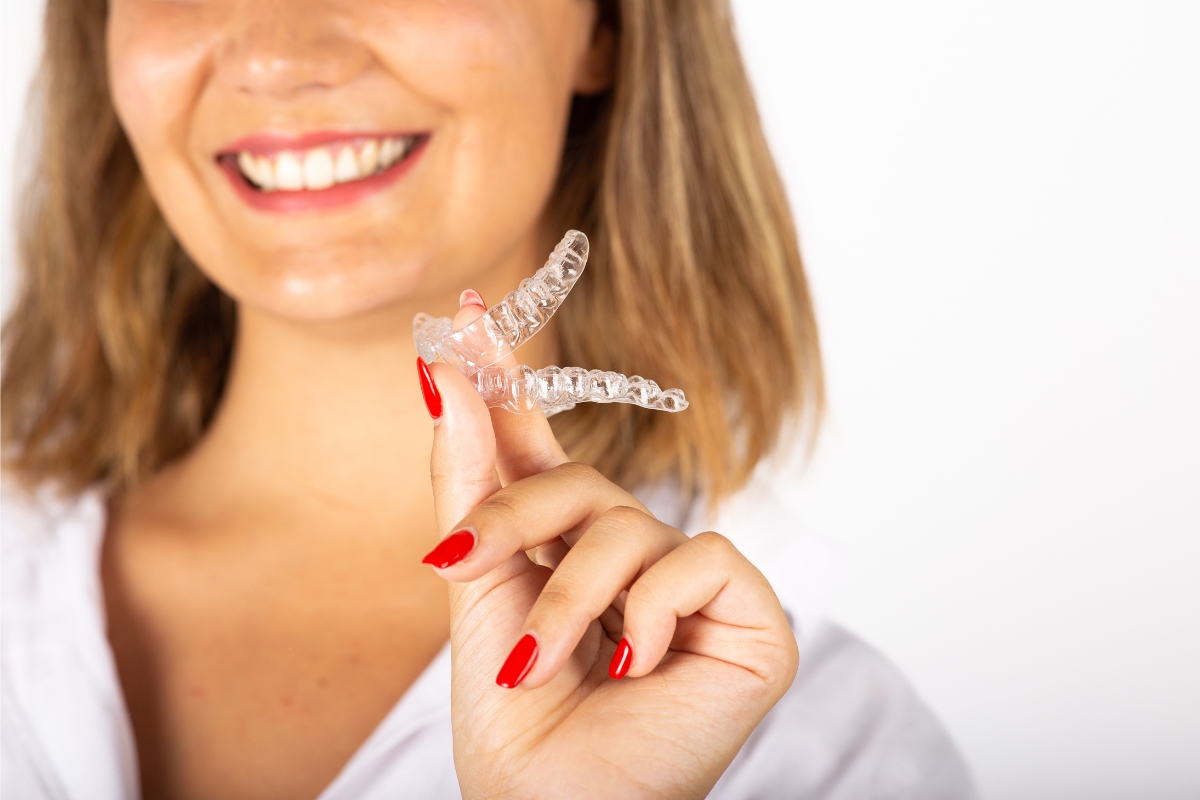
Modern Invisalign Treatment is designed to do much more than straighten uneven teeth. The aligners apply controlled pressure to gradually guide teeth into healthier positions while improving the fit between the upper and lower arches.
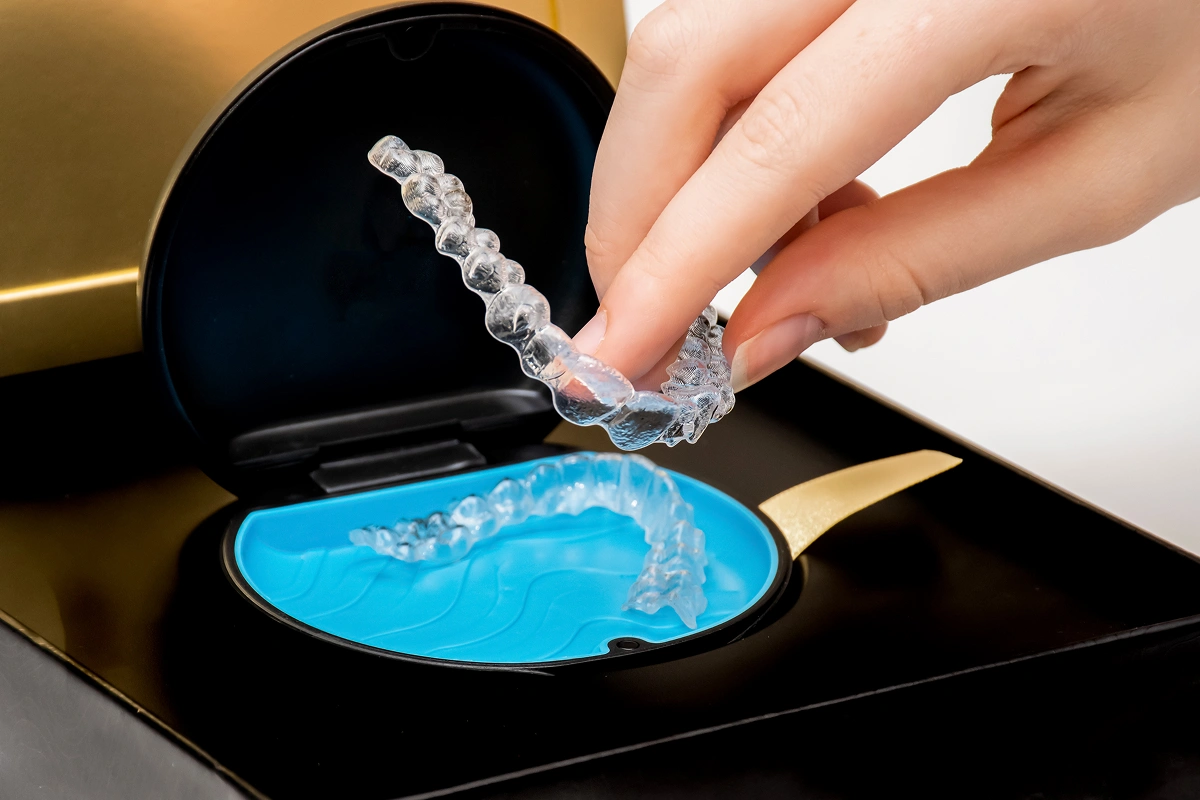
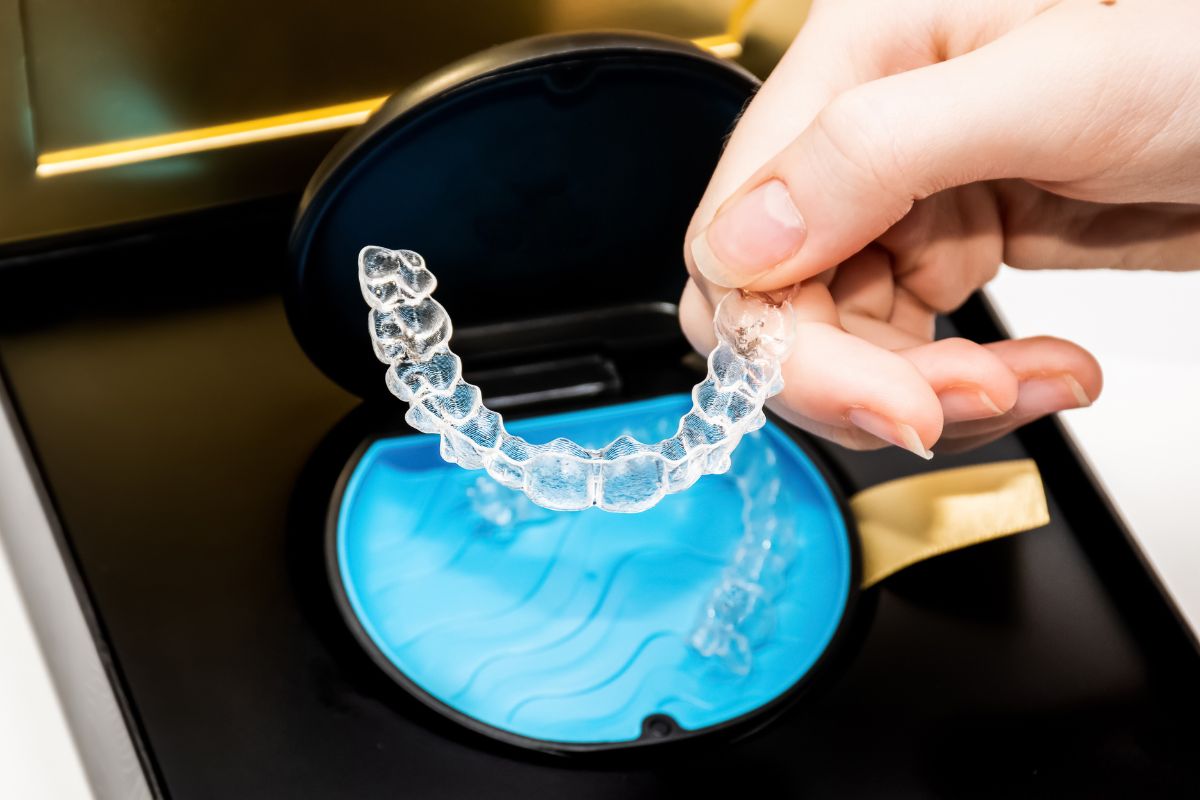
Patients often prefer Invisalign because the aligners are removable, comfortable, and nearly invisible during daily activities. Unlike traditional braces, there are no brackets or wires, making brushing, flossing, and eating far more convenient.
Depending on the condition, Invisalign may help correct:
• Mild to moderate overbites
• Certain underbites
• Front and back crossbites
• Crowding and spacing issues connected to bite alignment
The process typically begins with digital scans that create a detailed map of your teeth and bite. This technology helps dentists build a customized treatment plan tailored to your smile goals and alignment needs.
Understanding Bite Issues: Overbite, Underbite, and Crossbite
Before exploring how this orthodontic procedure works, it’s important to understand the bite issues it can correct:
Overbite
An overbite occurs when the upper front teeth overlap the lower teeth too much. While a slight overlap is normal, excessive overlap can place stress on teeth and gums over time.
Patients with overbites may experience:
• Uneven tooth wear
• Jaw discomfort
• Difficulty biting certain foods
• Speech concerns
• Increased pressure on front teeth
Invisalign can often improve mild to moderate overbites by gradually repositioning teeth into better alignment.
Underbite
An underbite happens when the lower teeth extend in front of the upper teeth. This condition may affect chewing, speech, and facial balance.
In many mild-to-moderate cases, Invisalign can help shift the lower teeth backward while improving upper arch positioning. More complex cases may require additional orthodontic treatment depending on the severity of the jaw misalignment.
Crossbite
A crossbite develops when some upper teeth sit inside the lower teeth instead of outside. This issue may affect a single tooth or multiple teeth throughout the mouth.
Untreated crossbites can contribute to:
• Tooth wear
• Gum irritation
• Jaw tension
• Uneven bite pressure
• Shifting jaw movement
Clear aligners can often help expand the dental arch and guide teeth into healthier positions, improving both comfort and bite balance.
Why Bite Correction Matters
Bite problems affect more than appearance. Teeth that do not align correctly can place uneven pressure across the mouth, making chewing less comfortable and increasing the risk of enamel wear.
Some patients first notice symptoms while eating certain foods or seeing subtle changes in old photos. Others experience jaw tension, shifting teeth, or difficulty properly cleaning crowded areas. What begins as a minor issue can become more noticeable over time if left untreated.
Addressing bite alignment early may help improve oral function, reduce strain on teeth, and support better long-term dental health.
What to Expect During Invisalign Treatment
The Invisalign process starts with a detailed consultation and digital imaging of your teeth. These scans help create a customized treatment plan that maps how your teeth will gradually move throughout each stage.
Once your aligners are ready, you will wear them daily and switch to a new set approximately every one to two weeks. Each aligner is designed to continue guiding your teeth toward their ideal positions.
During treatment, patients typically visit the dental office periodically to monitor progress and make any necessary adjustments. Since the aligners are removable, maintaining good oral hygiene is much easier than with traditional orthodontic options.
Benefits of Invisalign Beyond Straighter Teeth
While correcting overbite, underbite, and crossbite is the primary goal, this procedure offers additional benefits:
- Improved oral hygiene: Removable trays make brushing and flossing easier, reducing the risk of cavities and gum disease.
- Comfort: Smooth plastic trays eliminate irritation from brackets and wires.
- Discreet appearance: Clear aligners are virtually invisible, appealing to adults who may feel self-conscious about traditional braces.
- Predictable results: Advanced digital imaging predicts movement and final alignment, helping patients visualize outcomes before starting treatment.
Many patients begin to notice improvements within the first few months, although the total treatment time varies based on individual needs.
Transform Your Smile with Trusted Care in Escondido
Your smile should feel comfortable, healthy, and confident every day. Whether you are dealing with an overbite, underbite, or crossbite, the right treatment plan can make a meaningful difference in both appearance and function.
At Escondido Family Dental Care & Specialty Center, we create personalized solutions designed around your smile goals and comfort. Visit our dental office in Escondido to learn whether Invisalign may be the right choice for your bite concerns and lifestyle.
FAQ About Invisalign Treatment For Bite Problems
1. Can Invisalign fix severe bite problems?
Invisalign can treat many mild-to-moderate bite issues. Severe cases may require additional orthodontic care or other dental treatments, depending on the condition.
2. How long does Invisalign take to fix an overbite?
Treatment time varies based on the complexity of the case. Many patients complete treatment within 12 to 24 months.
3. Is Invisalign painful?
Most patients experience mild pressure when switching to a new aligner tray. This usually fades within a few days.
4. Can teens use Invisalign for bite correction?
Yes. Invisalign is commonly used for teens with bite alignment concerns, provided they wear the aligners consistently.
5. Will I need to wear retainers after Invisalign?
Yes. Retainers help maintain your results and prevent teeth from shifting after treatment is complete.
6. Does Invisalign work faster than braces?
Treatment speed depends on the individual case. Some patients see results comparable to braces, while others may require additional time.
7. How do I know if Invisalign is right for me?
The best way to find out is through a professional evaluation that examines your bite, tooth alignment, and treatment goals.