When tooth loss occurs due to injury, decay, or gum disease, selecting the right replacement option becomes essential for both your oral health and confidence. In modern dentistry, two of the most commonly recommended solutions are dental implants and fixed dental bridges. While both options are designed to restore the appearance and function of your smile, they differ significantly in structure, longevity, and overall benefits.
In this blog, we’ll break down the key differences between these two treatments, explore their advantages, and help you determine which option best fits your needs. You’ll also discover why dental implants are often considered the more durable and long-lasting solution for replacing missing teeth.
What Exactly Is a Tooth Implant?
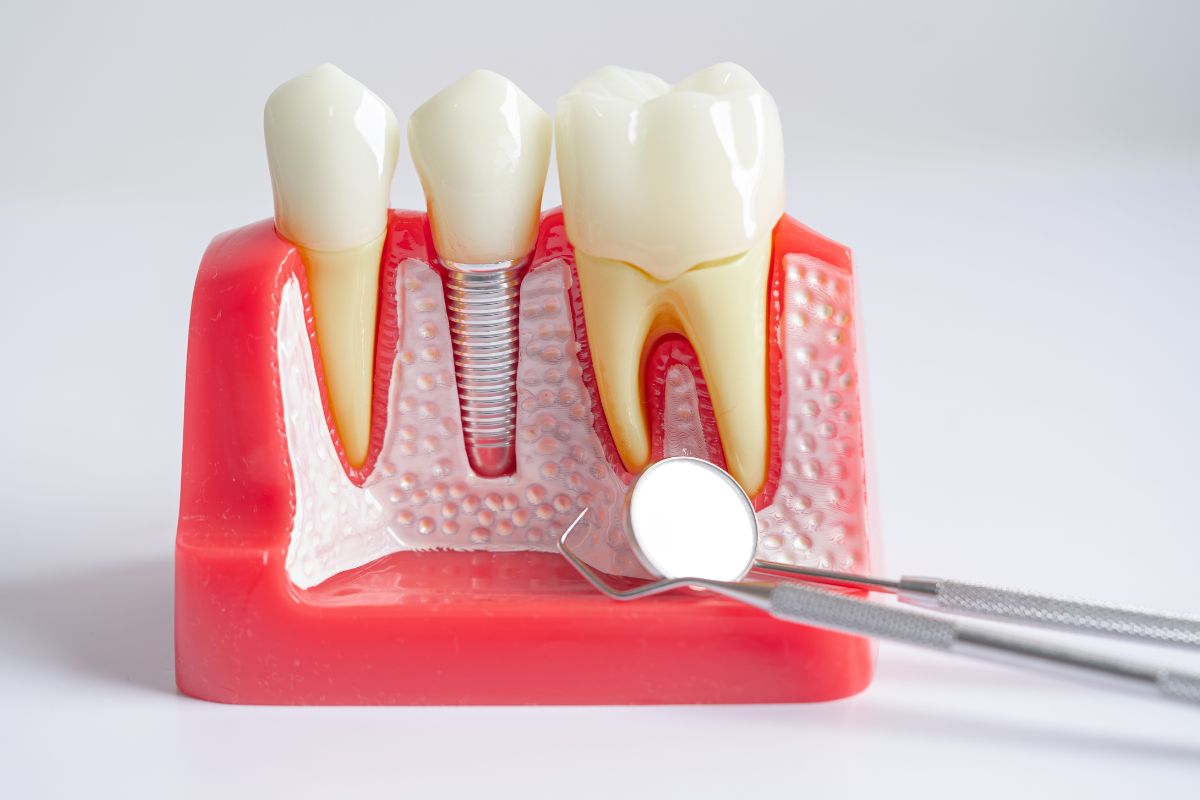
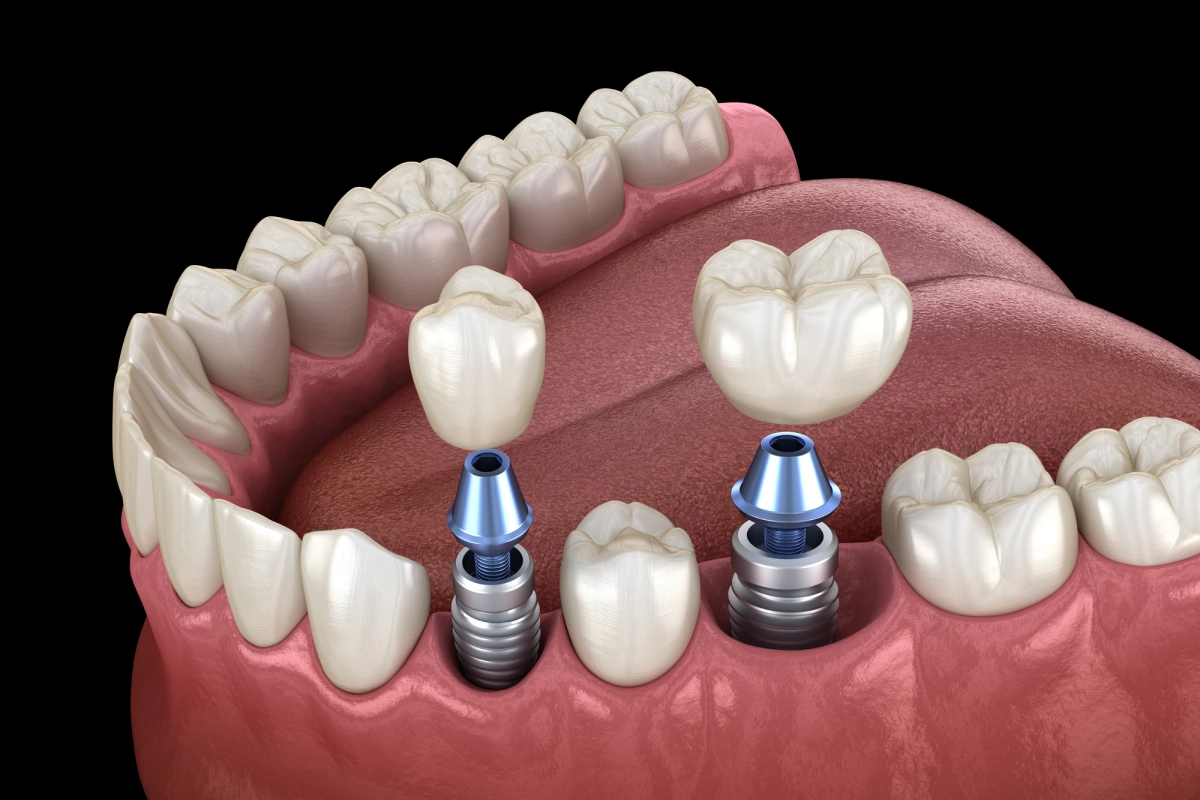
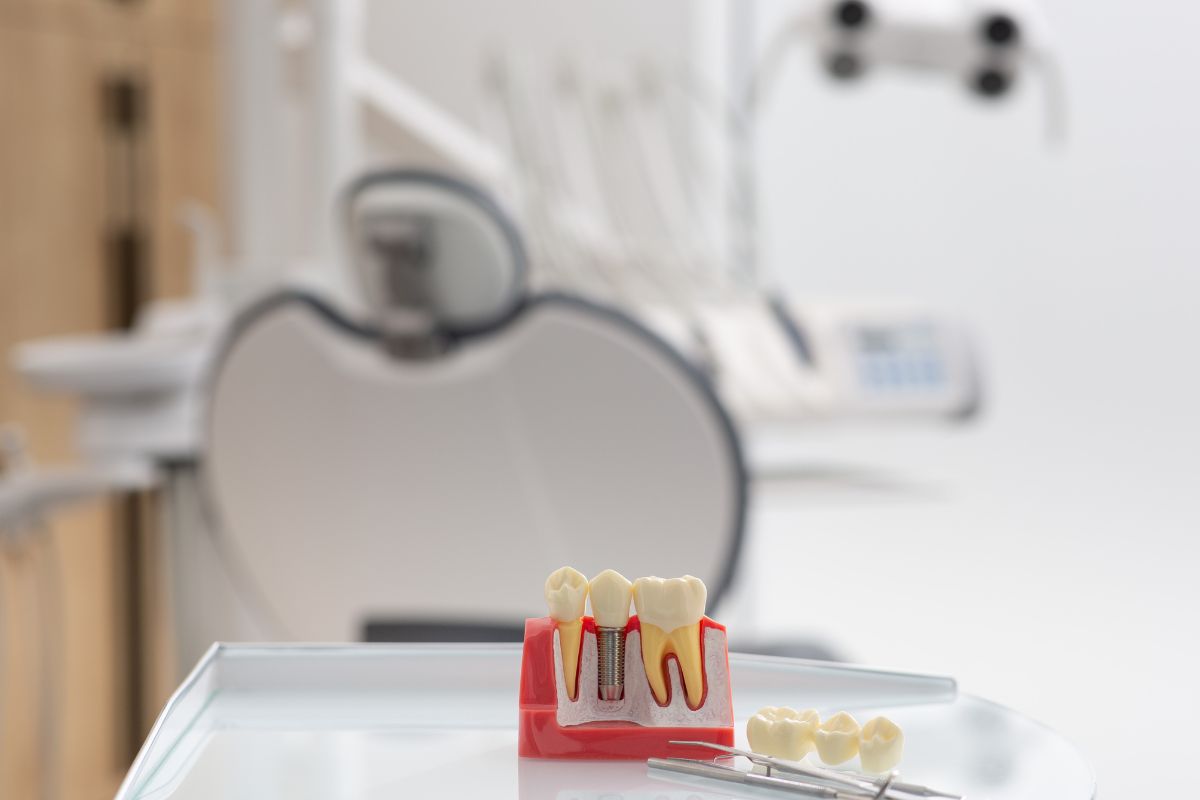
A tooth implant is an artificial tooth root, usually made from titanium, that a dentist places directly into the jawbone. Once the implant fuses with the bone through a natural process called osseointegration, a custom crown attaches on top. The result is a replacement tooth that looks, feels, and functions just like the real thing. Unlike removable dentures or a fixed bridge, the implant sits independently in the jaw without relying on surrounding teeth for support. This independence is one of the key reasons so many patients choose implant restorations over other options.
How Does a Dental Bridge Work?
A fixed bridge fills the gap from a missing tooth by anchoring artificial teeth to the natural teeth on each side of the gap. To place a bridge, a dentist must file down and permanently alter those two neighboring teeth, even if they are perfectly healthy, to serve as anchors. The bridge then sits over them like a cap connecting to the artificial tooth in the middle.
Many patients choose a bridge first because it is faster and often covered more readily by insurance. However, the long-term picture tells a different story. A dental bridge typically needs replacement every five to ten years. The neighboring teeth used as anchors become more vulnerable to decay and fracture over time. And because the bridge sits on top of the gum rather than anchoring into the jaw, the bone underneath slowly breaks down from lack of stimulation. This bone loss can lead to a sunken facial appearance and shifting of other teeth over the years.
Key Reasons Why Implants Outperform Bridges
1. Implants Preserve the Jawbone
When a tooth root is missing, the jawbone in that area stops receiving stimulation and begins to shrink. A bridge does nothing to prevent this process. A tooth implant, on the other hand, mimics the natural root and keeps the bone stimulated through everyday chewing and biting. This protects both your jaw structure and your facial appearance over time, a major concern for Escondido patients who want their smile to age well.
2. Healthy Teeth Stay Untouched
With a bridge, the two teeth on either side of the gap must be ground down to support the restoration. This irreversible process weakens otherwise healthy teeth and raises their risk of needing future dental work. An implanted tooth requires no alteration to adjacent teeth whatsoever. The implant stands on its own, leaving your natural teeth fully intact.
3. Implants Last Much Longer
Research shows that these restorations can last 15 years or more, with many patients keeping them for a lifetime with proper care. Bridges, by contrast, need to be replaced every five to ten years on average. When you factor in the cost and inconvenience of repeated replacements, a tooth implant often proves more economical over a decade or more.
4. Easier, More Natural Oral Hygiene
Cleaning around a bridge requires special floss threaders to get under the artificial tooth. Food debris also tends to trap more easily beneath a bridge. With an implant, you brush and floss just as you would a natural tooth. For busy adults, following simpler oral hygiene practices can make a real difference in long-term outcomes.
5. A Natural Look and Feel
Because the crown on an implant attaches to a root anchored in the jawbone, it sits and functions exactly like a real tooth. There is no movement, no shifting, and no uncomfortable fit. Patients routinely report that they forget the implant is even there, which is exactly the goal.
Who Is a Good Candidate for a Tooth Implant?
Most patients in good general health who have a missing tooth can qualify for an implant. The best candidates typically have sufficient jawbone density to support the implant, along with healthy gums free of active periodontal disease. Additionally, any underlying medical conditions should be well-managed, as proper healing plays a key role in implant success.
Even if some bone loss has occurred, you may still be eligible for treatment. Procedures such as bone grafting can help rebuild and strengthen the jawbone, creating a stable foundation for implant placement. The best way to determine your eligibility is through a personalized consultation with an experienced dentist, who can evaluate your jawbone, gum health, and overall condition to recommend the most suitable treatment plan.
How to Care for Your Implant After Placement
Maintaining your dental implant is simple and plays a key role in ensuring its long-term success. With proper maintenance, your implant can remain strong, stable, and functional for many years. Follow these essential care tips:
- Brush your teeth twice daily using a soft-bristle toothbrush to keep the implant area clean
- Floss every day to remove plaque and food particles from around the implant
- Schedule and attend regular dental checkups and professional cleanings
- Avoid chewing on very hard substances, such as ice or hard candy, to protect the implant crown
- Wear a custom night guard if you grind your teeth to prevent unnecessary pressure and damage
- Maintain consistent oral hygiene habits to support the health and longevity of your implant
By following these simple steps, you can protect your investment and enjoy a healthy, confident smile for years to come.
Choose a Long-Term Solution for Missing Teeth
Deciding between a dental bridge and an implant restoration is an important step in protecting your oral health. While both options can replace missing teeth, dental implants offer clear long-term advantages. They help preserve jawbone structure, protect surrounding natural teeth, provide lasting durability, and simplify daily oral hygiene. Rather than serving as a temporary fix, implants are a reliable investment in your long-term dental health.
At Escondido Family Dental Care & Specialty Center, our team is here to guide you through every stage of the process. We take the time to answer your questions, evaluate your needs, and recommend the most suitable treatment plan for your situation. Visit our Escondido office to consult with an experienced dentist and learn whether a dental implant is the right choice for you.
FAQs on Choosing Implants Over Bridges
1. How long does the entire implant process take?
The process from placement to final crown typically takes three to six months, depending on your healing time and whether a bone graft is needed. Your dentist will give you a clear timeline during your initial consultation so you know exactly what to expect.
2. Is getting a tooth implant painful?
Most patients report that the procedure is far more comfortable than they expected. Local anesthesia keeps you comfortable during placement, and any soreness in the days that follow is usually manageable with over-the-counter pain relief. The dental team will guide you through aftercare to keep your recovery smooth.
3. Will a tooth implant look natural?
Yes. The custom crown placed on top of the implant closely matches the color and shape of your natural teeth. Most people will not be able to tell the difference.
4. Can a tooth implant fail?
Implant success rates are very high; research places ten-year success rates around 97 percent. Failure is uncommon and most often linked to factors like smoking, uncontrolled diabetes, or insufficient bone density. A thorough evaluation before placement significantly reduces the risk.
5. Am I too old to get a tooth implant?
There is no upper age limit for implant placement. Many patients in their 60s, 70s, and beyond receive implants successfully each year. What matters most is your overall health and the condition of your jawbone, not your age. Schedule a consultation so the dentist can assess whether this solution is right for you.