Holiday Tooth Sensitivity in Escondido: Causes and Winter Triggers
Post Date: December 18, 2025
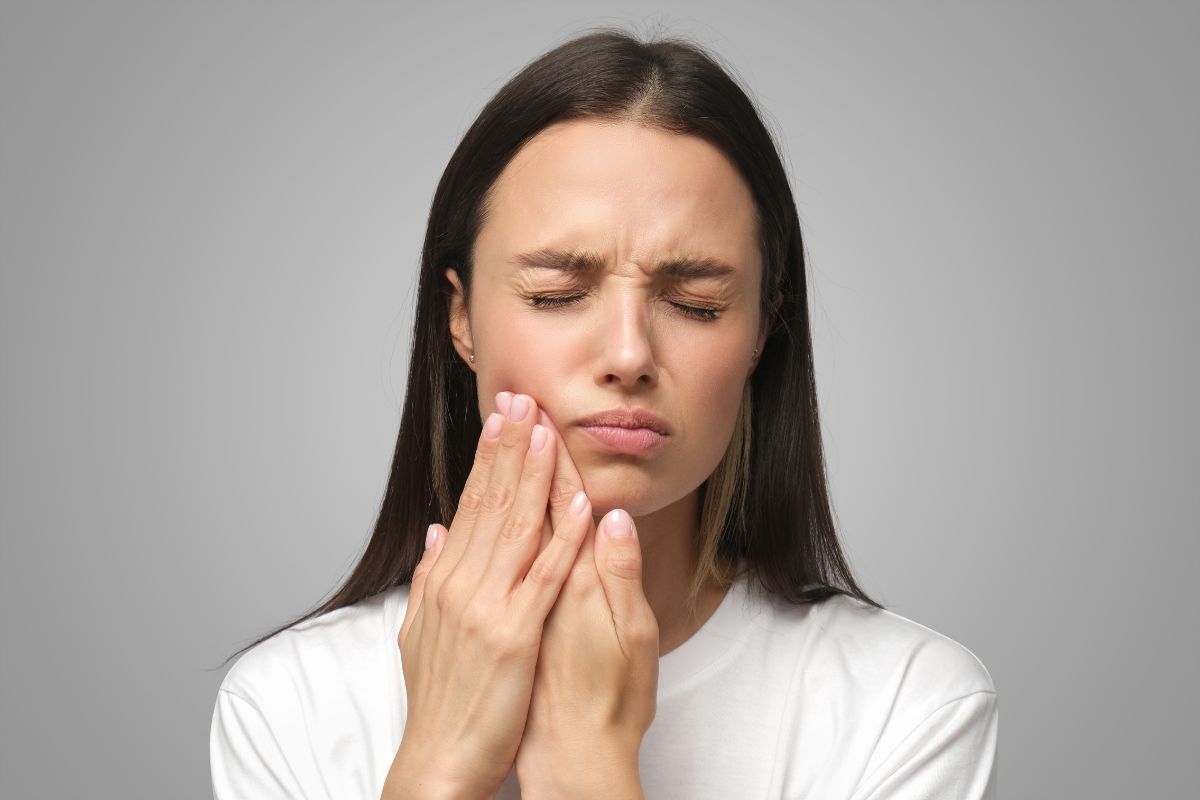
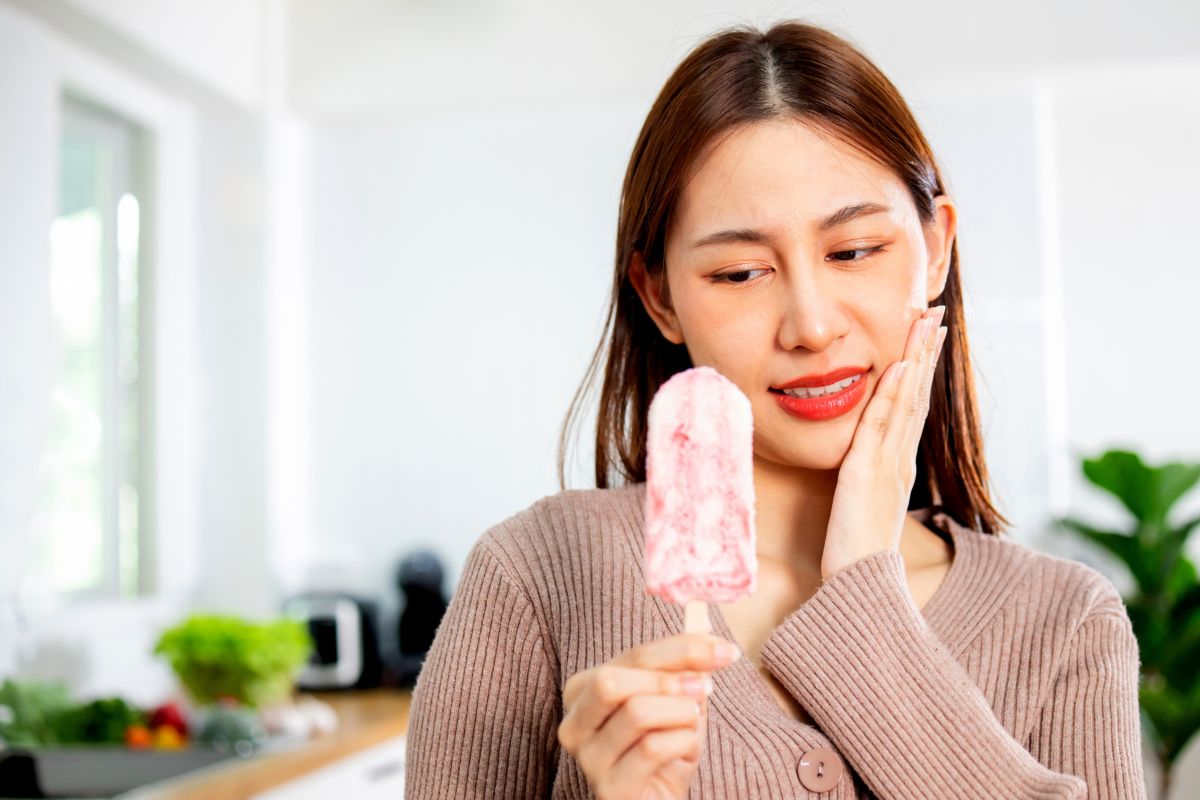
The holiday season brings cozy sweaters, festive gatherings, and seasonal treats—but for many people, it also brings sharp tooth pain. If sipping hot cocoa or stepping into cold winter air suddenly makes your teeth ache, you’re not alone. Tooth sensitivity tends to worsen during winter, and the holidays can make it even worse.
Even in Southern California cities like Escondido and nearby areas, where winters are mild compared to colder regions, cooler mornings, dry air, and seasonal habits can still take a toll on dental health. Understanding why tooth sensitivity flares up during winter is the first step toward enjoying the season pain-free.
What Is Tooth Sensitivity?
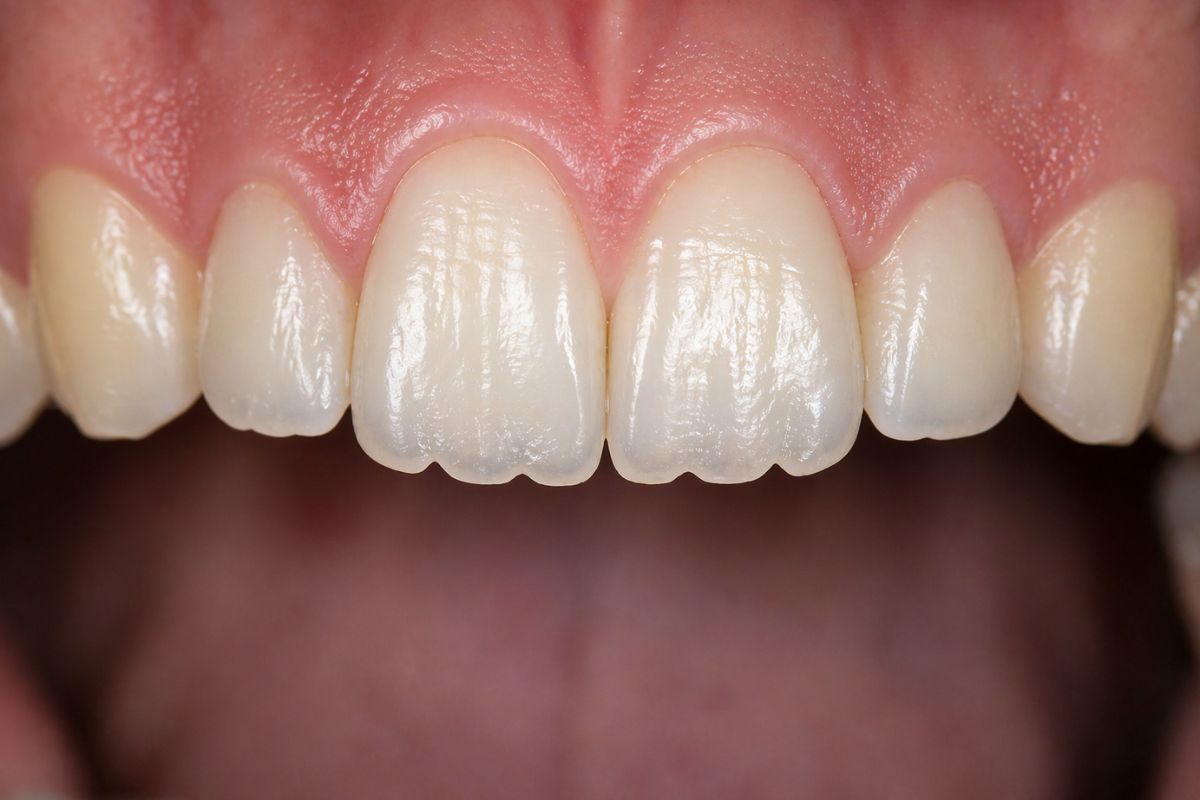
Tooth sensitivity occurs when the protective enamel wears down or gums recede, exposing the dentin layer underneath. Dentin contains tiny tubules that lead directly to the tooth’s nerve, making teeth react painfully to temperature changes, sweet foods, or even cold air.
Common symptoms include:
-
Sharp pain when eating hot or cold foods
-
Discomfort while breathing in cool air
-
Tingling or aching after sweet treats
Winter conditions often make these symptoms more noticeable.
Why Tooth Sensitivity Gets Worse During Winter
Cold Air Exposure
Stepping outside on chilly winter mornings—even during Escondido’s cooler December and January days—can trigger sudden tooth pain. Cold air enters the mouth and travels through exposed dentin, irritating the nerves inside sensitive teeth.
Dry Winter Air
Winter air tends to be drier, both outdoors and indoors, due to heating systems. Dry conditions can reduce saliva production, and saliva is essential for neutralizing acids and protecting enamel. Less saliva means teeth are more vulnerable to sensitivity and decay.
Mouth Breathing in Cooler Weather
People often breathe through their mouths during colder weather, especially while exercising or walking outdoors. This direct exposure to cool air can worsen sensitivity, particularly for those with gum recession.
Holiday Habits That Increase Tooth Sensitivity
Hot Drinks and Cold Temperatures
Holiday favorites like coffee, tea, and hot chocolate are comforting, but moving between hot beverages and cool outdoor air can shock the teeth. Repeated temperature changes cause enamel to expand and contract, potentially leading to microscopic cracks over time.
Sugary Seasonal Treats
Cookies, candies, and festive desserts are everywhere during the holidays. Sugar feeds harmful bacteria that produce acids, which weaken enamel and increase sensitivity if oral hygiene slips.
Stress and Teeth Grinding
Holiday stress can lead to unconscious teeth grinding or clenching, especially at night. Grinding wears down enamel and exposes sensitive areas, worsening winter sensitivity.
Why Escondido Residents Still Experience Winter Sensitivity
While Escondido enjoys relatively mild winters compared to other parts of the country, cooler coastal air, early-morning chills, and dry Santa Ana winds can still affect oral health. Holiday travel, outdoor shopping at local centers, and increased coffee consumption during the season all contribute to winter dental discomfort. This is why many residents choose to visit a local dentist in Escondido when sensitivity becomes persistent or painful; early care can prevent bigger problems later.
How to Reduce Tooth Sensitivity During the Holidays
-
Use a Toothpaste for Sensitive Teeth:
Desensitizing toothpaste helps block pain signals to the nerves, providing relief when used consistently. -
Brush with a Soft-Bristled Toothbrush:
Gentle brushing protects enamel and prevents gum irritation that can worsen sensitivity. -
Maintain Daily Flossing:
Flossing removes plaque along the gumline, reducing inflammation and exposure of sensitive roots. -
Limit Sugary and Acidic Holiday Treats:
Sweets, citrus fruits, and carbonated drinks can erode enamel and trigger sensitivity. -
Avoid Extremely Hot or Cold Foods:
Sudden temperature changes can aggravate sensitive teeth, so opt for lukewarm foods when possible. -
Rinse with Fluoride Mouthwash:
Fluoride strengthens enamel and helps protect teeth from sensitivity and decay. -
Schedule a Dental Checkup:
A holiday-season dental visit can identify underlying issues and help keep sensitivity under control.
Protect Your Teeth When Outdoors
When spending time outside, whether attending holiday events or enjoying winter walks, these simple habits can help:
-
Breathe through your nose instead of your mouth
-
Wear a scarf or face covering on cooler days
-
Stay hydrated to support saliva production
These small steps can significantly reduce sensitivity triggers.
When Tooth Sensitivity Signals a Bigger Problem
Tooth sensitivity is often mild and temporary, but in some cases, it can be a sign of a more serious dental issue. Persistent or worsening sensitivity may indicate problems such as tooth decay, cracked or fractured teeth, worn enamel, gum recession, or even an underlying infection. Sensitivity that lingers long after eating hot, cold, or sweet foods should not be ignored, as it may signal nerve involvement or advanced dental damage. If you notice sharp pain, swelling, discoloration, or sensitivity that interferes with daily activities, it’s important to seek professional dental care. Early diagnosis and treatment can prevent complications, relieve discomfort, and protect your long-term oral health.
Enjoy the Holidays Without Tooth Pain
Tooth sensitivity doesn’t have to steal the joy from your holiday season. Understanding why winter worsens sensitivity—and taking preventive steps—can help you enjoy festive foods, warm drinks, and seasonal outings comfortably.
If sensitivity is affecting your daily life, the experienced team at Escondido Family Dental Care & Specialty Center is here to help. Conveniently located in Escondido, CA, we provide personalized, gentle care to identify the cause of sensitivity and offer lasting solutions. Contact us today and enjoy a healthier, more comfortable smile this holiday season.
FAQs On Holiday Tooth Sensitivity
1. Why do my teeth hurt more in winter?
Cold air and temperature changes irritate exposed tooth nerves, increasing sensitivity.
2. Can winter air damage my teeth?
Cold, dry air doesn’t directly damage teeth, but it can worsen existing enamel or gum issues.
3. Does hot coffee cause tooth sensitivity?
Frequent exposure to hot drinks followed by cold air can stress enamel and increase sensitivity.
4. Is tooth sensitivity a sign of cavities?
It can be—persistent sensitivity should be evaluated by a dentist.
5. Can sensitive toothpaste really help?
Yes, consistent use can significantly reduce discomfort over time.
6. Does teeth grinding make sensitivity worse?
Yes, grinding wears down enamel and exposes sensitive tooth layers.
7. When should I see a dentist for sensitivity?
If sensitivity lasts more than a few weeks or becomes painful, schedule a dental visit.
Recent Posts

Knocked-Out Tooth: What To Do In The First 30 Minutes
A sudden fall, sports injury, or even biting into something unexpectedly hard can knock out a tooth in seconds. In that moment, panic is completely natural. What truly matters, however, is how you respond in the first few minutes. Acting quickly and correctly can significantly improve the chances of saving your tooth.When a tooth is…

How To Maintain Oral Hygiene With Invisalign Aligners
Invisalign is a popular option for those seeking to straighten their teeth discreetly. However, maintaining proper oral hygiene during treatment can be challenging for many patients. The aligners are removable, so you can clean your teeth and your aligners. However, you must stay diligent with your oral care routine to avoid plaque buildup, cavities, and…